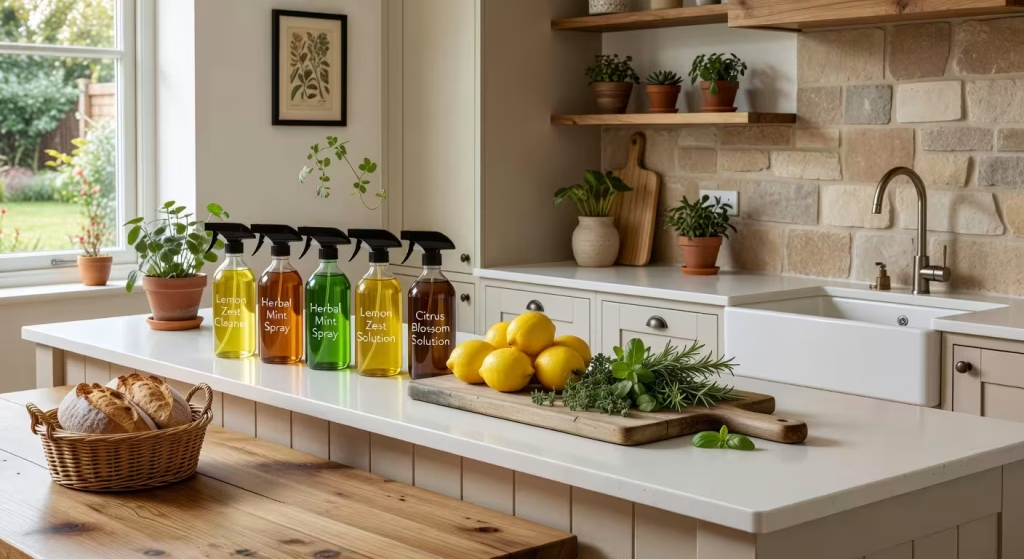
Picture this: you’re elbow-deep in spring cleaning, the kind that hits right after those long winters finally thaw, and you’re reaching for something simple, effective, and free from harsh chemicals. I’ve been there—staring at my pantry shelves stocked with basics, wondering if I can whip up a cleaner that tackles grime without leaving my hands raw or my home smelling like a chemical factory. That’s the beauty of homemade natural cleaning products. They’re straightforward, budget-friendly, and they work wonders when you get the ratios right. In this article, I’ll share recipes I’ve tested in my own kitchen, from all-purpose sprays to laundry boosters that keep your linens fresh without constant trips to the store.
Why make your own natural cleaning products
Making your own cleaning products isn’t just about saving money—though that’s certainly a welcome benefit when you’re managing a household budget. It’s about control. Knowing exactly what’s going into the solutions that touch your family’s clothes, dishes, and countertops brings real peace of mind. I’ve heard from countless women in our community who made the switch after realizing store-bought options were irritating their skin or leaving residues that just didn’t feel right in their homes.
Take this scenario: a new homemaker recently shared how she ditched commercial sprays after her toddler started reacting to the fumes. She turned to vinegar-based mixes, and suddenly her home felt lighter, cleaner in a way that matched her values. It’s empowering when you realize you don’t need a cabinet full of specialty bottles to maintain a spotless home.
The truth is, these natural alternatives often outperform fancy brands. Baking soda scrubs away stains like nobody’s business, and essential oils add subtle scent without overwhelming your senses. I’ll be honest—it took me a couple of tries to perfect my go-to recipes, but now they’re part of my weekly rhythm, just like the daily habits that keep a home running smoothly.
Essential ingredients every homemaker should stock
Building a natural cleaning arsenal starts with a handful of staples you probably already have or can grab easily. White vinegar cuts through grease beautifully, while castile soap lathers up without synthetic additives. I keep a dedicated shelf for these in my pantry, organized and ready to go whenever cleaning day arrives.
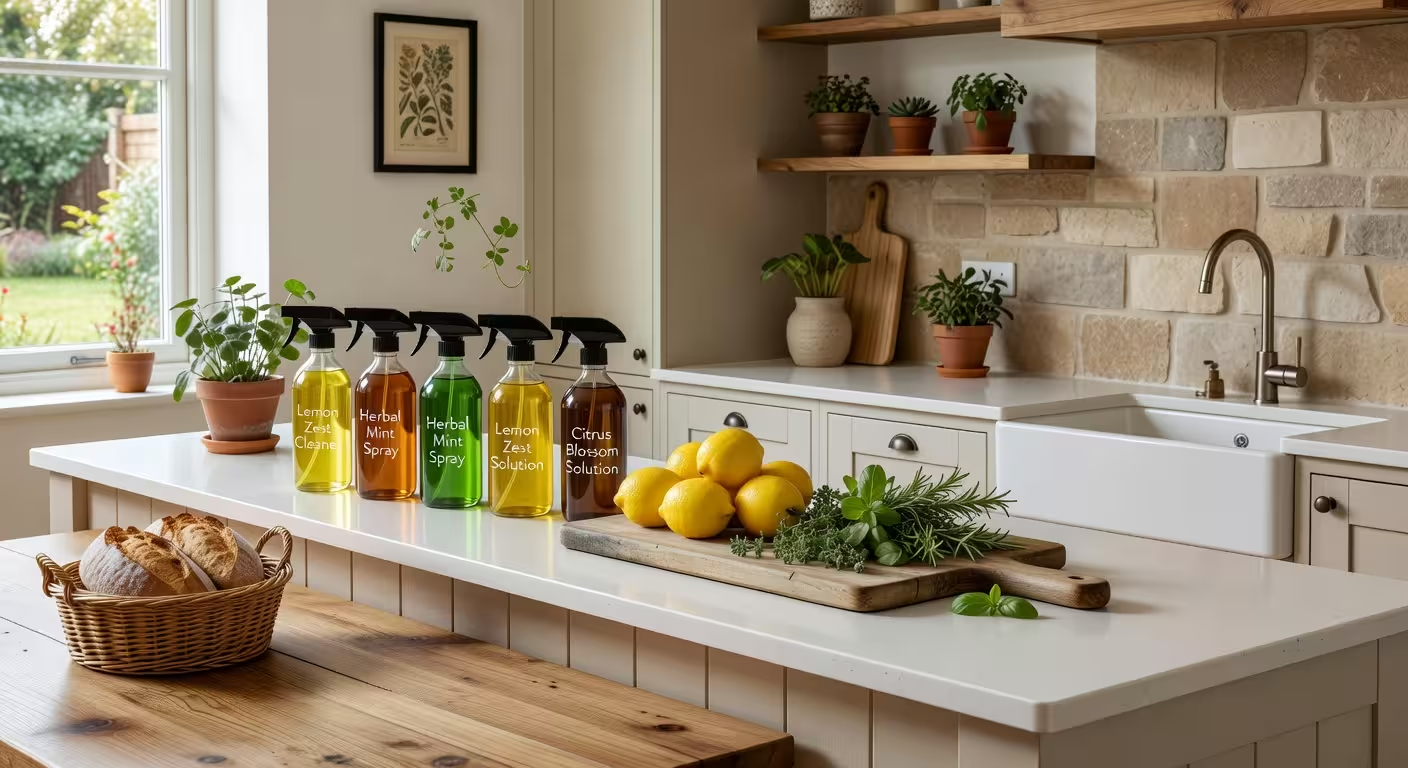
Fresh lemons are a game-changer. They add acidity and a bright, clean aroma that makes the whole process more pleasant. The citrus naturally cuts through grime while leaving everything smelling fresh.
Here’s what nobody tells you about borax: it’s potent for laundry but use it sparingly to avoid buildup. And don’t overlook hydrogen peroxide—it whitens without bleach’s harshness, making it perfect for everything from grout to laundry stains. Between you and me, sourcing these ingredients from local shops makes the process feel more intentional, tying into that thoughtful approach to homemaking we value.
All-purpose spray that cuts through grease and grime

My favorite all-purpose cleaner is remarkably simple: equal parts water and vinegar, with a splash of dish soap and a few drops of lavender essential oil for a calming touch. Shake it in a reused spray bottle, and it’s ready to tackle kitchen counters, bathroom sinks, and everything in between.
One homemaker recently shared her twist—adding citrus peels that she soaks overnight for an extra boost of cleaning power. The infused vinegar handles sticky messes beautifully while smelling wonderful. That said, if vinegar’s scent bothers you, try a version with just castile soap and water, boosted by tea tree oil for antibacterial properties. It works on bathroom tiles without eye-watering fumes.
Here’s an important tip: test on a small area first, especially on delicate surfaces, to ensure no discoloration. I use this spray daily, and it fits seamlessly into my efficient kitchen routine without adding extra steps or complications.
Basic all-purpose cleaner recipe
Ingredients: 1 cup white vinegar, 1 cup water, 1 tablespoon dish soap, 10 drops lavender or lemon essential oil. Instructions: Combine all ingredients in a spray bottle, shake well before each use, and spray on surfaces. Wipe clean with a microfiber cloth for best results.
Deep-cleaning scrubs for tough jobs
When it comes to scrubbing power, nothing beats a paste of baking soda and water, maybe with a bit of coarse salt for extra abrasion. I’ve used this on cast iron skillets, stovetops, and even bathroom grout with excellent results. It restores surfaces without scratching, which is crucial when you’re caring for quality cookware.

A frustration I see come up frequently is how some homemade scrubs fall flat on serious oven grime. The trick? Add a dash of liquid soap and let it sit for 15 minutes before scrubbing. The waiting period allows the ingredients to break down baked-on food, making your elbow grease go much further.
For hardwood floors, a mix of olive oil and vinegar polishes while cleaning, leaving a subtle shine that enhances natural wood grain. What I’ve learned is to make small batches—freshness matters, and it prevents waste when you’re managing multiple cleaning tasks.
One real-life situation stands out: a mom transitioning to this lifestyle shared how her baking soda scrub saved her from buying expensive grout cleaners, freeing up budget for other household priorities. Those small savings add up significantly over time.
Natural laundry solutions that actually clean
Homemade laundry detergent is where many women start their natural cleaning journey, though debates continue about effectiveness on tough stains. My recipe involves grating a bar of castile soap, mixing it with washing soda and borax, then adding to loads. It handles everything from grass stains to work shirts, with a scent from essential oils that’s fresh without being overwhelming.
The truth? It might not foam like commercial detergent, but it cleans deeper, especially when you pre-treat stubborn spots with hydrogen peroxide. And here’s the part most people skip: fabric softener alternatives. Wool dryer balls, sprinkled with a few drops of essential oil, fluff and freshen without chemicals. They’re perfect for bulky items like quilts and towels.

I have to admit, incorporating this into my routine has made laundry day feel less like a chore and more like a nurturing ritual. It aligns beautifully with the values of intentional homemaking that guide so many of our daily choices.
Here’s where it gets interesting: for seasonal tweaks, add eucalyptus oil in winter for a decongesting boost during cold and flu season. The steam from hot water releases the scent, creating a spa-like experience even while doing laundry.
Homemade laundry detergent recipe
Ingredients: 1 bar grated castile soap, 1 cup washing soda, 1 cup borax, 20 drops essential oil. Instructions: Mix all dry ingredients thoroughly. Use 1-2 tablespoons per load. Store in an airtight container. For high-efficiency machines, use less to prevent excess suds.
Specialty cleaners for specific household needs
Beyond the basics, you’ll want a few specialized solutions. For glass and mirrors, combine equal parts white vinegar and water with a teaspoon of cornstarch. The cornstarch acts as a gentle abrasive that prevents streaks, giving you crystal-clear results every time.
Wood furniture deserves special attention. Mix two parts olive oil with one part lemon juice for a polish that nourishes while cleaning. Apply sparingly with a soft cloth, buff well, and your farmhouse-style pieces will maintain that beautiful vintage charm without damage or buildup.

For toilet bowls, sprinkle baking soda inside, add a cup of vinegar, let it fizz for 15 minutes, then scrub. It’s surprisingly effective at removing rings and stains without harsh chemical fumes. Some women add a few drops of tea tree oil for extra disinfecting power.
Carpet freshener is another easy win: combine baking soda with dried lavender or your favorite essential oils, sprinkle on carpets, let sit for 30 minutes, then vacuum. Your home will smell fresh without synthetic fragrances, and you can customize the scent to match the season or your mood.
Safety and sustainability in natural cleaning
Safety first—natural doesn’t automatically mean harmless, so always dilute properly and store products out of reach of children and pets. Label everything clearly with contents and dates to prevent confusion and ensure freshness.
Sustainability ties in beautifully with homemade cleaning. Reusing spray bottles and containers reduces plastic waste significantly. Sourcing ingredients locally supports small businesses and reduces transportation emissions. It’s a win across the board.
One concern I hear from women just starting out: time investment. Here’s my advice—start small. Pick one recipe this week, maybe the all-purpose spray. Master it, use it for a month, then add another. This gradual approach prevents overwhelm and builds confidence in your natural cleaning skills.
Research from the EPA’s Safer Choice program confirms that many conventional cleaning products contain ingredients linked to respiratory issues and skin irritation. Making the switch isn’t just about preference—it’s about protecting your family’s health in tangible, measurable ways.
Making the transition to natural cleaning sustainable
The experienced homemakers among us know it’s about balance—effective cleaning that leaves time for what truly matters. You don’t need to overhaul everything overnight. Use up what you already have while testing homemade alternatives one at a time.
Many women find their signature scents and favorite recipes through trial and error. Document what works in a notebook kept near your cleaning supplies. Note which essential oil combinations you love, which recipes handle specific messes best, and any adjustments you’ve made for your home’s unique needs.
Sharing extras with friends accomplishes two things: it minimizes waste when you’re experimenting with batch sizes, and it spreads knowledge within your circle. Nothing builds community quite like practical wisdom shared generously.
If you’re loving these practical tips for creating a healthier home, I’d encourage you to connect with other like-minded women in our Tradwife Club community. We’re constantly sharing recipes, troubleshooting challenges, and celebrating the small victories that make homemaking so rewarding. You’ll find inspiration, support, and plenty of wisdom from women walking this same path.
Frequently asked questions
How do I make a natural cleaner for glass without streaks?
Mix equal parts white vinegar and water in a spray bottle, then wipe with a microfiber cloth. For extra shine, add a teaspoon of cornstarch to the mix—it acts as a gentle abrasive that prevents streaks on windows or mirrors. Many homemakers swear by this for spring cleaning.
Are homemade cleaners safe for pets?
Yes, when using pet-friendly ingredients like vinegar and baking soda, but avoid essential oils like tea tree, which can be toxic to cats and dogs. Always research specific oils and test in small areas. Many women with furry family members share pet-safe variations in homemaking communities.
How long do homemade cleaning products last?
Most last one to two months if stored in cool, dark places, but check for changes in smell or texture. Vinegar-based sprays are more stable, while those with fresh citrus might need remaking sooner. Label everything with dates for best results.
Can I use natural cleaners on wooden furniture?
Absolutely, but opt for oil-based polishes like a mix of olive oil and lemon juice. Apply sparingly and buff well to avoid residue. This works beautifully on farmhouse-style pieces, preserving that vintage charm without damage.
What’s the best way to scent natural cleaners without overpowering?
Use five to ten drops of essential oils per batch, like lavender or lemon, and start low to test. Infusing with fresh herbs overnight adds a subtle, natural aroma. Women experimenting often find their signature scents through careful trial and error.
How do I transition from store-bought to homemade without waste?
Use up what you have while testing one homemade recipe at a time. Many start with an all-purpose spray to build confidence. Sharing extras with friends in homemaking circles helps minimize waste and spreads knowledge.