How to Keep Floors Sparkling Clean With Kids: A Tradwife’s Practical Guide
Picture this: It’s a crisp autumn morning in the Midwest, and your little ones have just come in from raking leaves, tracking bits of gold and red across your hardwood floors. You’ve got that cozy farmhouse aesthetic going, with a vintage rug from the local thrift store, but now it’s a minefield of crumbs and mud. As a tradwife who has spent years perfecting homemaking routines, I’ve been there more times than I can count. Keeping floors sparkling with kids isn’t about achieving magazine-cover perfection—it’s about developing smart, sustainable routines that fit our chosen lifestyle of nurturing a warm, inviting home where our families can truly thrive.
If you’re exploring the tradwife lifestyle, you already understand that homemaking is about creating order while preserving joy. The truth is, with children in the house, clean floors are a moving target, but that doesn’t mean we surrender to chaos. In this guide, I’ll share practical tips drawn from real experience and conversations within our community—the kind of wisdom that gets passed down between mothers who understand that a clean home is the foundation for family peace.
One of the simplest ways to keep dirt at bay starts right at the door. In my home, where boots are a staple, I’ve made it a firm rule: shoes off before stepping inside. This echoes those Southern hospitality values, where the home represents a sacred space set apart from the outside world. Women in homemaking circles consistently point to this single habit as their number-one defense against tracked-in grime from playground adventures, farmers market hauls, and muddy backyard play.
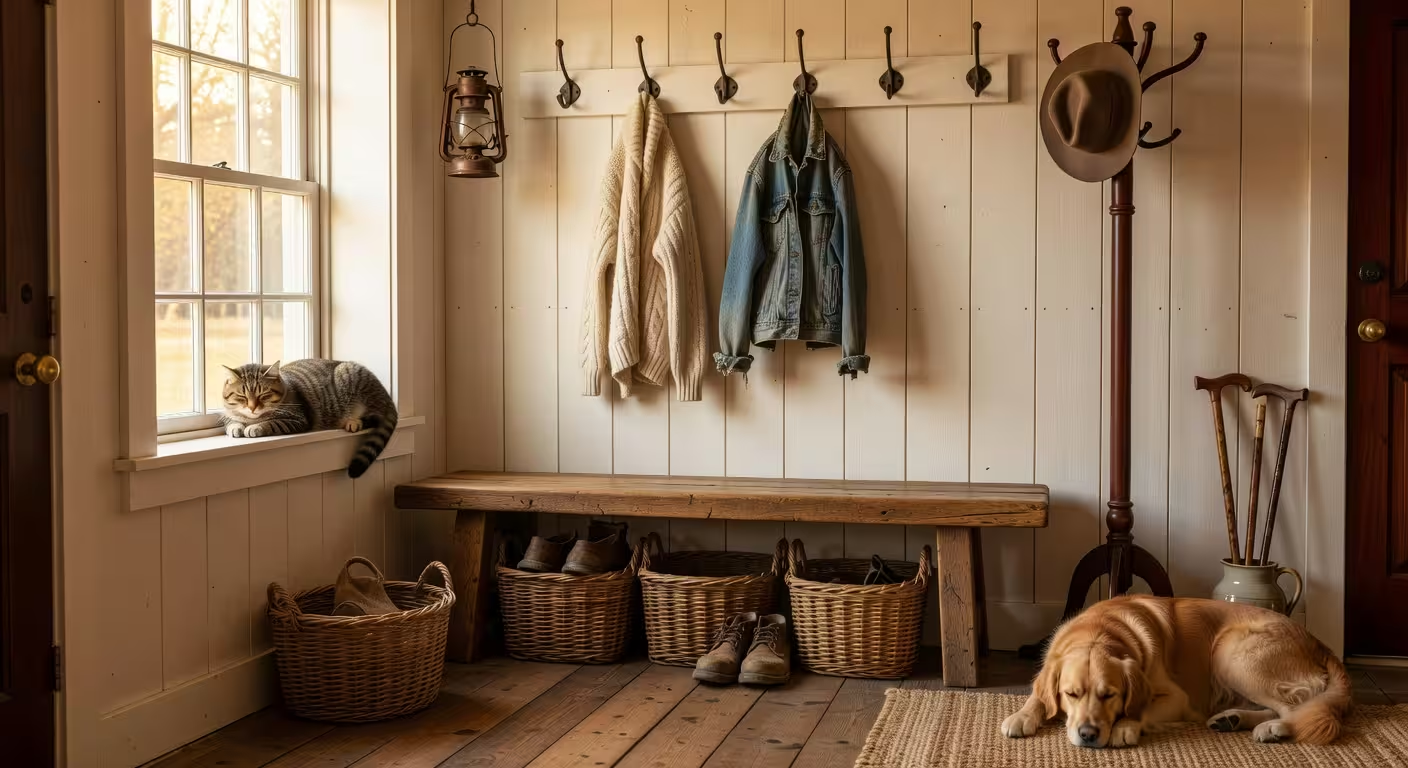
Setting up an inviting entryway station makes this transition seamless. A wooden bench with baskets for house slippers transforms a practical necessity into a charming design element. Children actually love the ritual when you frame it positively—it becomes a game rather than a chore. I’ve heard from mothers in the Pacific Northwest who describe this practice as essential during their rainy season, preventing puddles from soaking into carpets and creating that perpetual damp smell.
What nobody tells you is that this simple boundary teaches children responsibility early. It’s a natural extension of the values we hold dear in our homes—respect for the spaces we inhabit and understanding that maintaining order requires small, consistent efforts from everyone. Of course, not every day is flawless. There are rushed mornings when everyone forgets, and that’s okay. Grace toward ourselves and our families is just as important as the systems we create.
Build Daily Sweeps Into Your Natural Rhythm
With children underfoot, waiting for a weekly deep clean simply isn’t realistic. What I’ve learned through years of trial and error is to weave quick maintenance sweeps into the daily flow, much like you’d prep ingredients for dinner throughout the day rather than all at once. Real tradwives consistently recommend lightweight cordless vacuums—the kind you can grab for a five-minute pass over high-traffic areas without dragging out heavy equipment or untangling cords.
Here’s a scenario I hear repeatedly: A new mother, just beginning her tradwife journey, feels overwhelmed by sticky spots from breakfast spills that seem to multiply throughout the day. The solution isn’t more elbow grease—it’s strategic timing. A soft-bristle broom for hardwood floors, followed by a damp mop with a natural vinegar solution, takes less than ten minutes and skips harsh chemicals that worry us when toddlers are crawling around.
My personal go-to is a trusty microfiber mop that picks up dust without scratching delicate surfaces. I keep it accessible in the kitchen closet so there’s zero friction when I need it. The key is varying your approach by season: In spring, focus on pollen tracked in from open windows; in winter, address salt residue from snowy boots. These aren’t dramatic overhauls—they’re small efficiencies that compound over time.
Short bursts of attention throughout the day prevent those overwhelming weekend cleaning marathons. Sweep while the coffee brews. Spot-mop while dinner simmers. These moments add up to floors that consistently look cared for rather than neglected between deep cleans.
Involve Your Children Without Creating More Work
Turning floor maintenance into family time might sound counterintuitive, but it’s genuinely transformative. I’ve learned from experienced homemakers who assign age-appropriate tasks—having preschoolers wipe baseboards with a sock on their hand, or school-age children sweep their own rooms. This isn’t about exploiting child labor; it’s about building skills and instilling pride in maintaining a well-kept home, which echoes the self-sufficiency that runs deep in traditional homemaking.
One story that resonated with me involved a woman transitioning to full-time homemaking who felt overwhelmed by tile floors in her kitchen. Her breakthrough came from making a simple chart with stickers for completed chores. Her children became genuinely excited about helping, and the floors stayed cleaner longer because the kids felt invested in the outcome rather than viewing mess as someone else’s problem.
That said, keep expectations realistic. A two-year-old’s “help” might create temporary chaos, but you’re planting seeds for future capability. Tie these small responsibilities to your daily rhythm, like a quick tidy-up before afternoon story time. The routine becomes the reward, creating predictability that children crave.
What I’ve discovered is that children who participate in home care develop deeper respect for the work their mothers do. They notice when floors are clean because they helped make them that way. This empowerment through participation forms the heart of raising children who will someday create their own well-ordered homes.
Choose the Right Tools for Lasting Results
Not all cleaning equipment serves a busy household equally well. After years of testing in a real home—not some pristine showroom—I’ve found that investing in quality tools pays dividends in both time saved and results achieved. A sturdy steam mop for periodic deep cleaning, natural bristle brushes for grout, and microfiber cloths that can be washed and reused hundreds of times all earn their keep.
There’s an ongoing conversation in homemaking circles about natural versus commercial cleaners, with many of us opting for homemade solutions using ingredients like white vinegar, baking soda, and essential oils. This approach is both cost-effective and aligns with the wholesome aesthetic many tradwives cultivate. During messy seasons—think pumpkin carving or holiday cookie decorating—a quick sprinkle of cornstarch absorbs sticky residue fast, making cleanup surprisingly simple.
I’ll be honest: I’ve splurged on premium cleaning products and I’ve also relied on thrift store finds. What matters most isn’t the price tag but the durability and versatility of your tools. Look for items that multitask, like a good squeegee that works on windows and can scrape stubborn gunk off hard floors. According to EPA Safer Choice guidelines, many effective cleaning solutions can be made from common household ingredients, which gives us peace of mind around our families.
The right tools transform floor care from a dreaded chore into a manageable routine. When your equipment works with you rather than against you, maintaining that sparkling finish becomes part of your home’s natural rhythm rather than an occasional crisis intervention.
Tackle Tough Spots With Immediate Action
Let’s be real: children guarantee inevitable disasters. Juice spills on carpet, mud tracked in from outdoor play, mysterious sticky patches that appear overnight. The difference between a minor inconvenience and a permanent stain often comes down to immediate response. When messes happen—and they will—blot rather than rub. This simple technique prevents the stain from spreading deeper into fibers.
Consider regional challenges too. In dusty climates, electrostatic cloths become essential daily tools. In humid areas, preventing mildew on tile grout requires different attention. Shift your routines with the calendar—intensify efforts in summer when bare feet track in grass clippings, or prepare for winter with extra vigilance against salt stains and mud. Joining our newsletter community keeps you updated on these timely strategies from tradwives across different regions and climates.
One situation I’ll never forget involved a panicked mother dealing with pet hair combining with kid crumbs on her laminate floors—an unholy alliance that seemed impossible to conquer. Her solution? Weekly deep cleans using a diluted castile soap mixture, which cut through the grime without leaving residue that would attract more dirt. She also invested in washable area rugs for high-traffic zones, creating barriers that could be easily cleaned or replaced.
The key insight here is that prevention and quick response work together. Area rugs in play zones catch the worst of it. Keeping cleaning supplies accessible in multiple locations eliminates the excuse of “I’ll get to it later.” Small interventions prevent big problems, which is really the essence of successful homemaking—staying ahead of chaos rather than constantly playing catch-up.
Adapt Your Approach to Different Floor Types
Not all floors respond to the same care methods, and understanding these differences prevents damage while maximizing cleanliness. Hardwood requires gentler treatment than tile, while carpet demands entirely different techniques. Many newer tradwives don’t realize that using the wrong cleaner can actually dull finishes or void warranties on newer flooring installations.
For hardwood, less moisture is better. A barely damp mop prevents water damage while still lifting dirt. Tile and grout benefit from occasional steam cleaning, which sanitizes without chemicals—particularly important in homes where babies crawl across floors. Laminate falls somewhere in between, tolerating slightly more moisture than hardwood but still requiring caution. Understanding these distinctions comes naturally as you care for your home over time, but starting with proper techniques saves costly mistakes.
I’ve found that keeping separate tools for different floor types prevents cross-contamination and ensures each surface gets appropriate treatment. It might seem excessive initially, but the investment in proper care extends the life of your flooring significantly. Plus, there’s something deeply satisfying about knowing you’re stewarding your home’s assets wisely, which aligns perfectly with the traditional values of resourcefulness we embrace.
Maintain Your Motivation Through the Seasons
What I’ve learned over the years is that consistency in floor care—like all homemaking—comes from cultivating the right mindset. This work matters not because floors themselves are sacred, but because the order and peace they represent create space for what truly matters: family connection, hospitality, and the rhythms of a life well-lived.
Surround yourself with inspiration from others walking this path. Following experienced homemakers who share before-and-after transformations validates that you’re not alone in the daily challenge of maintaining order with children. Sometimes motivation comes from something as simple as brewing your morning coffee while surveying a freshly mopped kitchen floor—that quiet moment of satisfaction reinforces the value of your efforts.
Remember that seasons of life change your capacity. A mother with a newborn shouldn’t hold herself to the same standards as one with school-age children. Grace toward ourselves during challenging seasons doesn’t mean lowering standards forever—it means recognizing that sustainable homemaking adapts to current realities while keeping the long-term vision intact.
The floors will get dirty again tomorrow. But in choosing this life of intentional homemaking, we’re building something larger than spotless surfaces. We’re creating homes where our families feel the peace that comes from order, the warmth that comes from care, and the security that comes from knowing someone is stewarding the spaces where their lives unfold. That’s worth every sweep, every mop, every moment spent maintaining the foundation of family life.
If you’re looking for more practical wisdom and encouragement from women who understand this calling, I’d love for you to join our Tradwife Club community where we share real strategies for real homes. You’ll find support, inspiration, and the reminder that you’re part of something meaningful—even on the days when the floors seem impossible.
Frequently asked questions
What if my kids resist helping with floor cleaning?
Start small and make it genuinely fun rather than framing it as punishment. Turn sweeping into a dance party with music, or create a game where they race to pick up toys before a timer goes off. Many mothers find that positive reinforcement—specific praise for efforts rather than generic compliments—shifts attitudes over time. Remember, you’re building lifelong habits, not demanding perfection from little ones who are still learning.
Are natural cleaners really effective for tough kid messes?
Absolutely. White vinegar cuts through grease and grime, baking soda provides gentle abrasion for stuck-on messes, and the combination creates a powerful cleaning reaction without harsh fumes that worry us around children. I’ve successfully removed everything from crayon marks to dried juice spills using these simple ingredients. Just test any solution on a small, hidden area first to ensure it suits your specific floor type and finish.
How often should I deep clean floors with active toddlers?
Aim for a thorough deep clean once weekly, focusing especially on high-traffic areas like the kitchen and entryway. However, daily maintenance prevents the buildup that makes deep cleaning so exhausting. Quick daily sweeps or vacuum passes take minutes but prevent dirt from embedding in floor surfaces. Adjust based on your home’s specific needs—homes in rainy climates or with pets may need more frequent attention.
What’s the best mop for hardwood floors in a busy household?
A microfiber mop with washable, reusable pads offers the ideal combination of effectiveness and gentleness for hardwood. Look for one with a spray mechanism that lets you control moisture levels, since excess water damages wood floors over time. Pair it with a mild, pH-neutral cleaning solution or simply diluted white vinegar for streak-free shine that doesn’t leave buildup.
Can I keep floors clean without spending a fortune on supplies?
Yes, absolutely. Thrift stores often carry quality cleaning tools at fraction of retail prices, and DIY cleaners use inexpensive pantry staples like vinegar, baking soda, and dish soap. Many tradwives repurpose old cotton t-shirts as dust cloths rather than buying disposable products. The key is investing wisely in a few durable, versatile tools rather than accumulating specialized gadgets that rarely get used. Resourcefulness is part of our heritage.
How do I handle pet hair combined with kid messes on floors?
A rubber broom works remarkably well for gathering pet hair from hard surfaces before vacuuming—the static electricity attracts fur that regular brooms miss. For carpet, vacuum at least every other day with a quality machine that has strong suction and a rotating brush. Keeping a lint roller handy for quick spot treatments between deeper cleans helps maintain appearance. The combination of daily maintenance and weekly deep cleaning keeps this challenge manageable rather than overwhelming.