Seasonal Home Decoration on a Budget: A Tradwife’s Practical Guide
Picture this: it’s early October, and you’re driving through a crisp New England town, leaves turning that fiery red and gold, and you spot a roadside stand with pumpkins for a steal. That’s the moment I realized seasonal decorating doesn’t have to drain your wallet—it’s about capturing that cozy essence with what you already have or can snag affordably. As a tradwife who’s been curating our Midwest home for eight years, I’ve learned that budget-friendly decor isn’t about skimping; it’s about smart, heartfelt choices that make your space feel like a warm embrace, no matter the season.
In this article, we’ll dive into practical ways to refresh your home each season without overspending, drawing from real conversations I’ve seen bubbling up in our tradwife community. Whether you’re just starting out or fine-tuning your aesthetic, these tips will help you create that inviting farmhouse vibe on a dime.
Decorating for the seasons isn’t just about prettying up the place—it’s a way to honor the rhythms of life, much like our daily habits and weekly rhythms guide us through the year. Think of it as an extension of your role as the heart of the home, creating spaces that nurture your family and reflect the changing world outside. According to research from Psychology Today, our physical environment significantly impacts mood and well-being, which makes intentional decorating more than just aesthetic—it’s an act of care.
That said, it’s empowering. You’re not chasing Instagram perfection; you’re building a sanctuary that feels lived-in and loved. I’ve noticed in recent conversations with tradwives across the South that many are frustrated with the high costs of trendy items, but they’re finding joy in swapping trendy pieces for natural elements like acorns, pinecones, or wildflowers that keep things authentic and thrifty.
One woman I followed online described her first fall as a new homemaker: she had a tiny budget after leaving her office job, so she foraged branches from her Texas backyard and turned them into a rustic mantel display. It wasn’t fancy, but it brought that sense of tradition and warmth her family craved. Simple shifts like this validate why we choose this path—it’s fulfilling, creative, and economical.
Starting with What You Have: Inventory and Repurpose
Before you even think about heading to the store, take stock of your current treasures. I always start my seasonal refresh by pulling out bins from the attic—those forgotten linens, vintage jars from thrift store hauls in the Pacific Northwest, or even old scarves that can double as table runners. It’s surprising how much you can repurpose; a summer throw blanket becomes a cozy autumn layer on the couch with just a few pinecones tucked in.
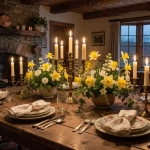
Here’s what nobody tells you: the key is versatility. Items with a timeless aesthetic, like neutral pottery, wooden crates, or cream-colored linens, transition seamlessly from spring florals to winter evergreens. This approach not only saves money but also creates a cohesive look throughout the year.
In a recent conversation among homemakers, the debate centered on minimalism versus abundance. One shared how she rotates just five core pieces throughout the year—a large wooden bowl, a collection of cream candles, neutral table linens, a vintage pitcher, and a set of seasonal napkins—saving money and reducing clutter. It’s a fresh angle that focuses on quality over quantity, which aligns perfectly with our community values of intentional living.
Try it yourself. Grab a notebook and list what you own by category: textiles, containers, natural elements, and accent pieces. You’ll be amazed at the possibilities hiding in your own home. I discovered I had three different sets of mason jars that I’d forgotten about—they became vases for spring tulips, candle holders for summer evenings, and containers for fall wheat stalks.
Thrifty Sourcing: Where to Find Budget Gems
Thrift stores are my secret weapon, especially in the Midwest where garage sales pop up like daisies in spring. Last Memorial Day, I scored a set of mismatched vintage plates for under ten dollars, perfect for a Fourth of July tablescape with some red-checked napkins from the dollar section at Target. The beauty of thrifting is that each piece has character—no cookie-cutter mass production here.
Look, don’t overlook farmers markets either—they’re goldmines for seasonal produce that doubles as decor, like heirloom squash in fall or fresh berries in summer for a vibrant kitchen display. I’ve found that building relationships with local farmers often leads to discounts on “imperfect” produce that looks stunning in a wooden bowl on your dining table.
Between you and me, skip the big-box impulse buys. Focus on pieces that tell a story. One account I follow shared finding a cast iron skillet at a flea market for three dollars and using it as a centerpiece for her Easter brunch, filled with dyed eggs and wildflowers. It’s those personal touches that make your home uniquely yours and create conversation starters when guests visit.
Here are my favorite budget-friendly sources:
Estate sales (especially for vintage linens and dishware)
Church rummage sales (often underpriced and well-maintained items)
Facebook Marketplace and Craigslist (search “farmhouse” or “vintage”)
Dollar Tree seasonal sections (surprisingly good for neutral basics)
Your own backyard (branches, pinecones, wildflowers, stones)
I’ve learned that building a collection over time, perhaps inspired by the creators on our influencer page, turns decorating into a joyful tradition rather than a chore. Each piece becomes part of your family’s story.
DIY Projects That Wow Without the Wallet Hit
Nothing beats the satisfaction of crafting your own decor, and it’s easier than you think. For instance, a simple wreath made from foraged twigs and ribbon—I’ve done this for Christmas using evergreens from our yard, tying in bows from leftover fabric scraps. It costs next to nothing and adds that homemade charm we all adore.
The thing is, DIY isn’t about perfection; it’s about the process and the love you pour into it. Start small, like painting thrift-store frames in soft pastels for a spring gallery wall, or stringing fairy lights in mason jars for summer evenings on the porch. These projects often take less than an hour but deliver maximum visual impact.
A common concern I hear from new tradwives is time—they worry they don’t have hours to craft. But veterans point out quick wins that make a big difference. Herb bundles for the kitchen take just fifteen minutes: gather fresh rosemary, thyme, and lavender, tie with twine, and hang near your window. They look beautiful, smell amazing, and you can actually use them in your home cooking.
One of my favorite fall projects involves hollowing out small pumpkins or gourds to create candle holders. One woman shared how these became the centerpiece of her Thanksgiving table without spending a cent beyond the candles. The warm glow through the natural gourd creates an ambiance no store-bought item can replicate.
Here are some seasonal DIY ideas to try:
Spring: Press wildflowers between glass frames, create egg wreaths with blown eggs
Summer: Fill glass vases with lemons or limes, make lavender sachets
Fall: Arrange wheat stalks in vintage pitchers, paint small pumpkins in cream tones
Winter: Create evergreen garlands, fill bowls with pinecones and cinnamon sticks
What I’ve learned is that these projects not only save money but also deepen your connection to the seasons, much like the rhythms outlined in our daily routine guide. There’s something soul-satisfying about creating beauty with your own hands.
Balancing Aesthetics and Everyday Life
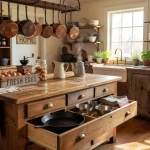
In a busy home, decor has to be practical—beautiful but not burdensome. I aim for that modern traditional look, where a vintage apron hangs as wall art in the kitchen, blending function with flair. It’s about creating spaces that invite lingering, like a reading nook with thrifted quilts for those chilly winter nights, or a kitchen that’s both photogenic and fully functional for your daily cooking routines.
That said, challenges arise. Some women express frustration about kids knocking over displays or husbands who prefer minimalism. The consensus in our community is to involve the family—let them help arrange the Easter baskets, pick wildflowers for vases, or choose which pumpkins to display. When everyone has ownership, they’re more likely to respect and enjoy the seasonal touches.
I’ll be honest, my first attempt at a full summer refresh went overboard. I had too many knick-knacks gathering dust, and my husband gently pointed out that our living room felt more like a gift shop than a home. Now, I focus on a few statement pieces—like a Le Creuset Dutch oven on the stove filled with seasonal fruits, which serves double duty for cooking and decor. Or a large wooden bowl on the dining table that holds whatever the season offers: apples in fall, ornaments in winter, lemons in summer.
It’s liberating to realize that less can be more. One well-chosen element—a beautiful wreath, a vintage pitcher filled with fresh greenery, a stack of seasonal tea towels—often makes more impact than a cluttered mantel. This approach also makes cleaning easier, which any busy homemaker appreciates.
And here’s where it gets interesting: tying in elements from different regions adds variety without extra cost. If you have friends in our network from different parts of the country, consider doing seasonal swaps. Southern magnolia leaves for New England birch branches, Texas bluebonnets for Midwest sunflowers. It’s a beautiful way to build community while refreshing your decor.
Making Seasonal Transitions Smooth and Simple
The secret to sustainable seasonal decorating is having a system. I store all my seasonal items in clear plastic bins labeled by season and holiday, kept in our basement where they’re accessible but out of the way. This organization makes the transition from pumpkin season to Christmas prep a breeze—usually accomplished over a cozy afternoon with tea and a good podcast.
Here’s my transition strategy: I don’t wait until the calendar says it’s officially a new season. Instead, I watch nature. When the leaves start turning, I begin incorporating fall elements. When the first snow falls, winter decor starts appearing. This gradual approach feels more organic and less like a chore.
I also maintain a “neutral foundation” year-round—cream-colored throws, wooden bowls, white dishes, natural fiber baskets. These never change. I simply swap what goes in them: spring tulips become summer lemons become fall pumpkins become winter evergreen clippings. This method is budget-friendly because you’re not replacing everything, just refreshing accent pieces.
One scenario that sticks with me is a woman who, after a tight financial month, transformed her living room for fall using only items from her garden and attic. She gathered branches with colorful leaves, arranged them in a vintage pitcher she’d inherited from her grandmother, and surrounded the base with acorns her children collected. It wasn’t lavish, but it brought her family together in the process, reinforcing the value of this lifestyle. Her story reminded me that the best decorating moments aren’t about money—they’re about intention and love.
Building Your Seasonal Decor Philosophy
Now, the truth? Budget decorating evolves with experience. What starts as basic thrifting can grow into a personalized style that reflects your journey as a homemaker. You’ll develop an eye for what works in your space, what your family responds to, and what brings you joy during the process.
I encourage you to develop your own philosophy around seasonal decor. For me, it’s rooted in three principles: natural elements first, versatile pieces that work across seasons, and involving my family in the process. For you, it might be different. Perhaps you prioritize handmade items, or you focus on one room that you refresh completely while keeping others constant.
The beauty of the tradwife approach is that it’s not prescriptive—it’s about creating a home that serves your family’s unique needs and reflects your values. Budget-friendly seasonal decorating fits perfectly into this framework because it requires creativity, resourcefulness, and intentionality rather than simply throwing money at a problem.
Keep going. Your home will thank you, and so will your bank account. Most importantly, you’ll create a rhythm of seasonal celebration that your children will remember long after they’ve grown—not because everything was Pinterest-perfect, but because it was made with love and care.
If you’re feeling inspired and want to share your own seasonal decorating wins or challenges, I’d love for you to join the conversation in our tradwife community. There’s something special about connecting with other women who understand this calling, and we’re always swapping ideas and encouragement.
Frequently Asked Questions
How do I start decorating on a very tight budget?
Begin by assessing what you already own and foraging for natural elements like leaves, branches, or pinecones from your local area. Many tradwives recommend starting with one room, like the entryway, to build momentum without overwhelming your wallet. Focus on versatile items that can be reused across seasons for maximum value.
What are some affordable stores for seasonal decor?
Thrift stores, estate sales, and the dollar sections at Target are top picks for budget finds. Farmers markets often have seasonal produce that doubles as beautiful decor. Community swaps in groups like ours can also yield free or low-cost treasures while building relationships with other homemakers.
Can I make seasonal decor kid-friendly?
Absolutely—opt for sturdy, non-breakable items like fabric pumpkins, wooden signs, or items displayed higher up that little ones can help create. Involve children in DIY projects like collecting acorns or painting small gourds to make it a family activity. This approach keeps things practical while fostering creativity and making memories together.
How often should I change my home decor?
Aim to refresh with each major season—spring, summer, fall, and winter—plus key holidays like Thanksgiving, Christmas, or Easter. However, if your budget is limited, focus on subtle updates quarterly using natural elements and small accent changes. Listen to your home’s needs and your family’s preferences rather than following a strict schedule.
What’s the best way to store seasonal items?
Use clear bins labeled by season and holiday to keep everything organized and easy to access. Store them in a dry, cool place like an attic, basement, or closet to preserve quality. This system saves time and money by preventing damage and loss over the years, making transitions between seasons quick and enjoyable.
Where can I find inspiration for tradwife-style seasonal decorating?
Our community shares ideas regularly, and you can explore our collection of recommended resources on the tradwife books page. Pinterest boards focused on farmhouse or cottage style offer visual inspiration, while following experienced homemakers in our network provides practical, budget-conscious ideas that actually work in real homes.