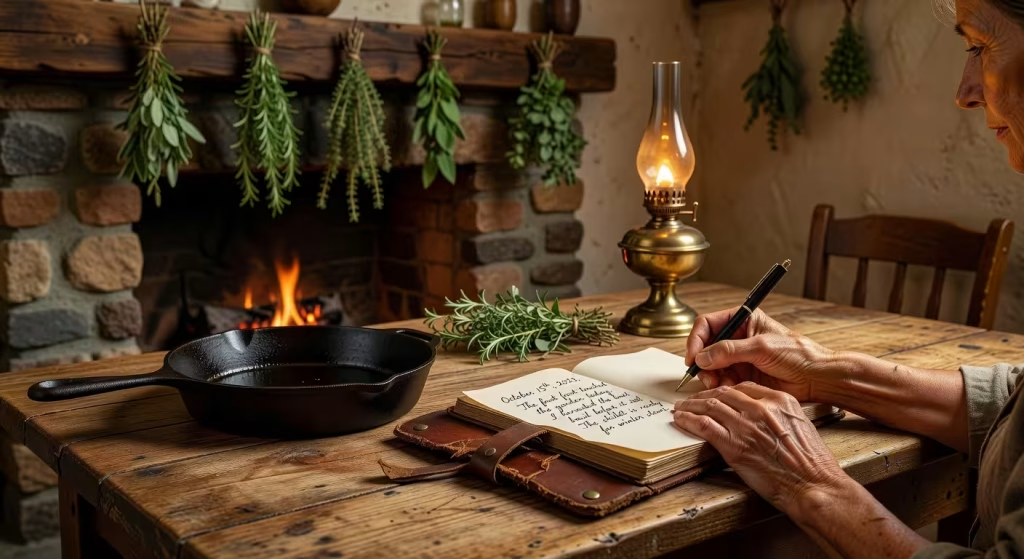
Picture this: it’s a crisp autumn morning in the Midwest, the leaves turning that golden hue outside your window, and you’re sipping coffee from your favorite mug while the house is still quiet. That’s when I reach for my journal—not because it’s trendy, but because it’s become my anchor in this beautiful, sometimes chaotic life we’ve chosen. Embracing the traditional homemaking path means carrying a mental load that can sneak up on you: balancing family rhythms, seasonal preparations like apple picking, and keeping that farmhouse charm alive. Journaling isn’t just scribbling thoughts; it’s a gentle way to reclaim clarity and nurture your mental health right from your cozy kitchen nook.
In those first quiet moments with pen and paper, you answer that deep need for peace amid the daily whirl. Women in our community often share how it helps them process everything from holiday stresses to the simple joys of a well-made pie. And if you’re just dipping your toes into this practice, know that it’s more than a hobby—it’s a tool for empowerment in your role as keeper of the home.
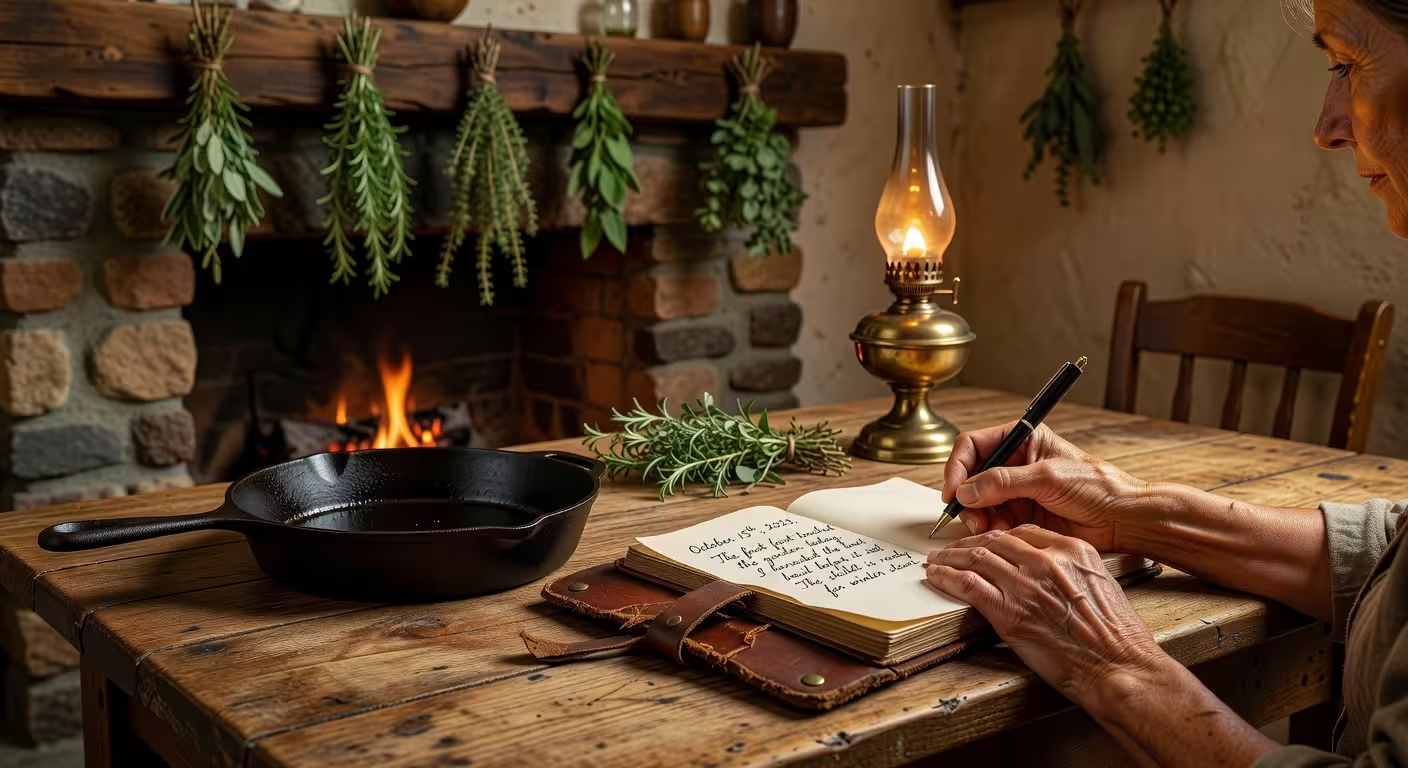
Why journaling fits naturally into tradwife life
Let’s be real: as tradwives, our days overflow with intention. We’re tending to the home, nurturing relationships, perhaps homeschooling or gardening in the backyard. But amid all that giving, where do we refill our own cups? Journaling steps in here, offering a sacred space to unpack the mental chatter that builds up when you’re managing everyone else’s needs.
I’ve heard from so many women in our comunidade who say it helps them stay grounded, especially during those long winter months in New England when cabin fever sets in. It’s not about perfection—some days it’s just a quick note on what went well, like that perfect batch of biscuits from your cast-iron skillet. Other times it’s deeper, sorting through frustrations without judgment.
This practice aligns naturally with our values: reflection, gratitude, and mindful living. Think of it as an extension of organizando sua cozinha ou maintaining a gratitude practice—sweeping away the mental cobwebs to make room for genuine joy.
What I’ve learned is that it fosters resilience. In a world that sometimes questions our choices, journaling reminds us por quê we chose this path: for the fulfillment, the family bonds, the simple pleasures like a Fourth of July picnic prepared with love. It validates what we already know in our hearts—that homemaking is meaningful work worth celebrating.

How to start your journaling routine without overwhelm
Starting doesn’t require fancy supplies or elaborate systems. Grab a simple notebook from your local thrift store or splurge on something pretty from Etsy—maybe one with a cottagecore vibe that matches your aesthetic. I keep mine by the coffee maker, so it’s the first thing I see after waving goodbye to my husband or settling the kids with their morning activities.
Begin small. Set aside just ten minutes in the morning, perhaps while the Instant Pot simmers your oatmeal or bread dough rises on the counter. Write whatever comes to mind—gratitude for the Pacific Northwest rain that waters your herb garden, or a worry about balancing it all. There’s no right or wrong here.
Here’s what nobody tells you: consistency beats fancy methods every time. Don’t worry about prompts at first; just let the words flow. Over time, you might incorporate themes, like reflecting on Midwest values during harvest season or planning out your week’s meal prep sessions.
I’ll be honest—my early entries were messy scrawls about everything from thrift store finds to quiet doubts about whether I was doing enough. But that’s the beauty of it; the journal is yours, imperfect and real, a mirror of your actual life rather than some Instagram-worthy fiction.
And here’s the part most people skip: review what you’ve written weekly. It shows patterns, reveals growth, and sometimes surprises you with how far you’ve come in this empowered life. You’ll notice recurring themes—maybe you’re harder on yourself than you realize, or maybe you’re thriving more than you give yourself credit for.
Overcoming common journaling hurdles that tradwives face
Every tradwife I’ve chatted with faces bumps along the way. Maybe it’s finding time between Easter egg hunts and summer barbecues, or that nagging feeling your words aren’t “profound” enough. These concerns are completely normal—our lives are wonderfully full, from Texas-sized family gatherings to quiet evenings mending clothes by lamplight.

One scenario that sticks with me: a woman just starting out, overwhelmed by the shift from a bustling career to homemaking. She shared anonymously in our forums how journaling helped her navigate what felt like isolation, turning it into intentional solitude instead. By jotting down small wins—mastering a Dutch oven recipe, successfully organizing her pantry, creating a cozy reading nook—she rebuilt her confidence piece by piece.
If perfectionism creeps in, remember this isn’t a diary for posterity or publication. Use it to vent, dream, or plan—perhaps sketching out your next Pottery Barn-inspired tablescape for Thanksgiving or working through complicated feelings about family dynamics. The freedom to be messy on the page is actually therapeutic.
The truth? Most hurdles dissolve with grace and permission. Give yourself permission to skip a day when life gets hectic. This is about nurturing yourself, not adding another should-do to your already full plate. According to research from the American Psychological Association, expressive writing can significantly improve mental health—even when it’s inconsistent.
Journaling techniques that deepen clarity and peace
Once you’re comfortable with the basic practice, experiment with techniques that enhance mental health even further. Gratitude lists are a staple in my routine—three things you’re thankful for each morning, like the warmth of a Trader Joe’s candle, your husband’s steady presence, or the way afternoon light falls across your kitchen table. For more insights on nurturing that partnership, explore our guide on what makes a supportive tradhusband.
Stream-of-consciousness writing works wonders too. Set a timer for five minutes and pour it all out, no editing allowed. It’s liberating, especially on those foggy mornings when clarity feels elusive and your mind is already juggling seventeen different tasks before breakfast.

Between you and me, incorporating seasonal reflections takes your practice to another level. In fall, journal about pumpkin season traditions and what cozy means to your family. In spring, write about renewal and fresh starts in your home—maybe that sourdough starter you’ve been meaning to begin. This connection to natural rhythms grounds us in ways that feel particularly meaningful.
Here’s where it gets interesting: pair your journaling with intentional reading. After an entry, flip through a book from our livros tradwife recommendations for inspiration. It creates a beautiful loop of reflection and growth, where ideas from your reading spark journal entries, which then deepen your understanding of what you’ve read.
I’ve seen this transform mindsets completely—from scattered and overwhelmed to serene and purposeful. Women report feeling more confident in their choices, more present with their families, and more equipped to handle whatever challenges arise.
Weaving journaling into your family’s daily rhythm
Journaling doesn’t have to be a solitary practice—it can weave naturally into your family rhythms. Share the habit gently with your children, perhaps encouraging them to doodle their thoughts during quiet time. This fosters that New England charm of thoughtful, intentional living from an early age.
One real-life situation comes to mind: a homemaker in the South, juggling constant hospitality duties, found that journaling helped her prepare mentally for hosting. By writing out her plans, anticipated challenges, and hopes for gatherings, she turned potential stress into anticipated joy. That Memorial Day spread she was dreading? It became something she actually looked forward to because she’d processed her feelings beforehand.
I have to admit, this practice even strengthens marriages. A quick note of appreciation for your partner, written privately in your journal, often translates into warmer interactions throughout the day. Some women keep a separate “marriage journal” where they reflect on their relationship, track patterns, and celebrate growth—aligning beautifully with the principles discussed in our exploration of the tradwife movement’s history.
What I’ve learned is that balance remains key. Keep the core practice personal and protected, but let its benefits ripple outward, enhancing your home’s warmth without overwhelming your routine or turning it into a performance for others.
The long-term transformation you can expect
Stick with journaling for a few months, and the changes become profound. Mental fog lifts, replaced by clarity that sharpens every aspect of homemaking—better meal planning at Costco, more present family moments, fewer instances of that frazzled feeling at day’s end.
It’s deeply empowering. Women consistently tell me it validates their choices, countering external noise with internal peace. When someone questions why you’re “just” a homemaker, you have pages of evidence showing the richness, complexity, and importance of what you do daily.
The practice builds emotional resilience, which proves crucial during seasons of change—welcoming a new baby, moving to a new home, shifting your style to embrace more vintage aesthetics, or navigating family challenges. Your journal becomes a record of how you’ve weathered storms before, a reminder of your own strength.
Research published in Advances in Psychiatric Treatment confirms what many of us experience firsthand: regular journaling reduces symptoms of anxiety and depression while improving overall wellbeing. For tradwives managing the unique pressures of our chosen path, this matters tremendously.
Ultimately, journaling helps you thrive in this life we’ve chosen, with a clearer mind and fuller heart. It’s not about being perfect; it’s about being present, processing honestly, and nurturing yourself as generously as you nurture everyone else.
If you’re feeling inspired to deepen your tradwife journey through practices like this, I’d love for you to join our Boletim informativo where we share more practical tips, encouragement, and real stories from women walking this path. And don’t hesitate to share your own journaling experiences in our community forums—your insights might be exactly what another homemaker needs to hear today.
Perguntas frequentes
How do I find time for journaling with a busy homemaking schedule?
Start with micro-sessions of just five minutes during nap time or while dinner simmers in your Le Creuset. Many women integrate it into evening wind-downs after tucking in the kids, making it a soothing ritual rather than another task. Over time, it becomes as natural as your morning coffee routine.
What if I’m not a good writer—will journaling still help?
Absolutely! This isn’t about eloquence or perfect prose; it’s about honest expression. Scribble fragments, draw symbols, or list bullet points if that feels right. The act of getting thoughts out of your head and onto paper brings clarity regardless of writing style or skill level.
Can journaling help with anxiety about my tradwife choices?
Yes, it’s a powerful tool for processing doubts and affirming your path. Write about why you chose this life, what it gives you, and what makes it meaningful. Women often find it reduces anxiety by highlighting positives like family closeness and purposeful living that might get overshadowed by external criticism.
What supplies do I actually need to get started?
A basic notebook and pen are all you need—pick something affordable from Target or a charming find at a farmers market. If you want to elevate the experience, add stickers or washi tape for that prairie wife aesthetic, but keep it simple to avoid overcomplicating the process before you’ve even begun.
How often should I journal for mental health benefits?
Aim for daily if possible, but three to four times weekly works beautifully if life gets hectic. Consistency matters more than frequency—even short entries maintained over time build habits that foster long-term clarity. Listen to your needs and adjust without guilt.
Is there a community where I can share journaling tips with other tradwives?
Our newsletter often features reader stories on practices like journaling, and the community forums are perfect for exchanging ideas with like-minded women. Join discussions where homemakers share what’s working in their daily routines and support each other’s growth.