How to Dress Tradwife on a Tight Budget: Affordable Feminine Style
Picture this: you’re standing in your cozy kitchen, sunlight filtering through lace curtains, and you’re pulling on a simple cotton skirt you thrifted last weekend. It fits just right—modest and feminine—without breaking the bank. That’s the magic of dressing in the estética de tradwife on a tight budget. It’s not about splurging on designer labels, but about curating a wardrobe that feels timeless and true to who you are.
Building a beautiful, modest wardrobe doesn’t require emptying your savings. With smart strategies rooted in thriftiness, creativity, and resourcefulness, you can achieve that effortlessly elegant look that complements a homemaking lifestyle. Whether you’re just starting out or refining your style, this guide offers practical ways to dress tradwife on any budget—from thrift store treasures to strategic seasonal shopping.
Embracing a traditional homemaking lifestyle often means prioritizing family finances over flashy fashion. The beauty of tradwife dressing lies not in excess, but in modesty, femininity, and functionality that suits a life centered on home and family. This approach naturally aligns with values of resourcefulness and intentional living.
Budget-conscious dressing isn’t a compromise—it’s a choice that builds character and reflects the heart of the movimento tradwife. Women across the country, from New England farmhouses to Midwest homesteads, have discovered that some of their most cherished pieces came from estate sales, thrift stores, and creative upcycling projects rather than expensive boutiques.
Think about the woman who transformed a plain thrift find into a prairie-style skirt with just needle and thread, or the homemaker who scored a vintage-inspired dress for under twenty dollars. These stories aren’t exceptions—they’re the norm in communities where resourcefulness is celebrated. Quality pieces that last through seasons of baking, gardening, and caring for family don’t have to come with premium price tags.
The pull between wanting durable, beautiful clothing and managing household budgets is real. But here’s what changes the game: viewing your wardrobe as an investment in pieces that serve multiple purposes, withstand regular wear, and can be mixed endlessly to create fresh looks. That mindset shift transforms shopping from stressful to strategic.
Building your capsule wardrobe basics
Start with essential pieces that mix and match effortlessly. A well-planned capsule wardrobe built on neutral foundations—soft ivories, muted blues, dusty roses, and earthy greens—evokes farmhouse charm while maximizing versatility. These colors photograph beautifully in natural light and transition seamlessly through seasons.
Your core pieces should include modest midi skirts in cotton or linen, high-neck blouses in breathable fabrics, comfortable cardigans for layering, simple dresses with feminine silhouettes, and versatile aprons for kitchen work. Each item should earn its place by serving multiple occasions—from morning coffee to afternoon errands to evening family dinners.
Before shopping, create a specific wish list. This prevents impulse purchases and helps you recognize genuine finds when browsing thrift racks. Focus on natural fabrics over synthetics—cotton breathes better in humid climates, linen stays crisp through multiple wears, and wool provides warmth without bulk. These materials also tend to age more gracefully than their synthetic counterparts.
Pace your purchases intentionally. Rather than buying everything at once, invest in one quality item per month. This approach, recommended in organizing your homemaking routine, builds a wardrobe that feels deliberate rather than chaotic. Target clearance sections often feature feminine tops for under fifteen dollars, while thrift stores yield timeless pieces at a fraction of retail prices.
Layer in accessories thoughtfully—a simple scarf, vintage brooch, or leather belt can transform the same outfit multiple ways. These small touches add personality without requiring closet space or significant investment. One well-chosen accessory often makes more impact than an entirely new outfit.
Thrifting and upcycling like a pro
Thrifting has become a cornerstone of budget tradwife dressing, especially in regions where community yard sales and estate sales are weekend traditions. The key is knowing what to look for: items with good bones—sturdy fabrics, classic cuts, quality construction—that can be worn as-is or easily modified.
Scout for pieces that nod to timeless eras rather than fleeting trends. A 1950s-inspired cotton dress, a vintage linen apron, or a wool cardigan with mother-of-pearl buttons will serve you far longer than fast-fashion items. Ignore what’s currently popular; focus instead on silhouettes and fabrics that align with modest, feminine aesthetics.
Local thrift stores offer treasure hunts where you can discover unique pieces unavailable anywhere else. One woman’s cast-off becomes your signature piece. Check seams, zippers, and hems carefully—minor repairs are worthwhile for quality garments, but avoid items requiring extensive reconstruction unless you enjoy the challenge.
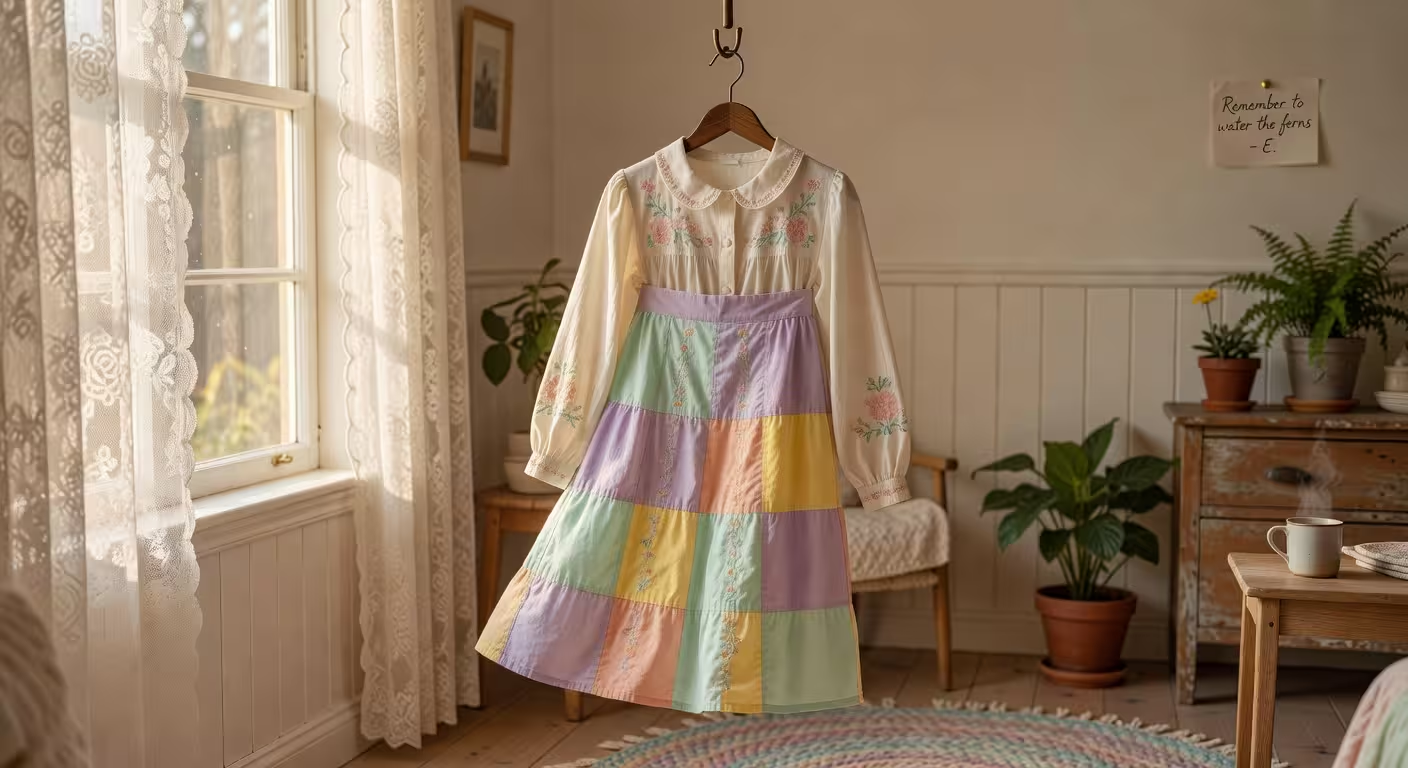
Learning basic sewing skills opens entire worlds of possibility. A simple stitch can transform a too-long skirt into something custom-fit. Adding lace trim to a plain collar creates vintage charm. Hemming a dress to your exact height ensures proper modesty and proportion. These skills, much like the traditional homemaking practices many tradwives embrace, connect you to heritage while serving practical purposes.
Upcycling extends beyond clothing. Old linens become aprons. Vintage buttons replace plain ones on cardigans. A too-large men’s button-up shirt transforms into a modest work dress with strategic tucking and belting. The satisfaction of these transformations rivals any retail purchase—and the stories behind each piece make getting dressed more meaningful.
Online thrifting through platforms like Etsy or Poshmark works well for specific searches, though in-person hunts offer serendipity that algorithms can’t replicate. Many women combine both approaches: browsing locally for general wardrobe building while searching online for particular items that complete their vision.
Affordable brands and seasonal shopping strategies
Not everything needs to be secondhand. Strategic shoppers know exactly where to find new pieces that align with modest, feminine aesthetics without straining budgets. Big-box retailers like Target, Walmart, and Old Navy offer surprisingly good options when you shop selectively.
Focus on their basic lines rather than trendy collections. Cotton tees that layer under dresses, simple cardigans in neutral tones, and modest skirts often appear in regular rotations. These items, priced between ten and twenty-five dollars, fill wardrobe gaps between thrift finds and provide reliable staples you can count on.
Timing dramatically affects your budget. Shop end-of-season sales to stock up for next year—winter scarves purchased in spring, summer linens bought in fall. This requires planning ahead and storage space, but the savings justify the effort. Clearance racks often hide gems marked down seventy percent or more simply because seasons changed.
Online marketplaces connect you with independent crafters who create affordable prairie wife accessories. Handmade headscarves, modest aprons, and simple jewelry often cost less than mass-produced alternatives while supporting small businesses. These pieces add authentic touches that elevate everyday outfits without the mass-market feel.
According to research from wardrobe planning experts, investing in versatile basics yields better long-term value than accumulating trendy pieces. This principle applies doubly when budget constraints require maximizing every purchase.
Balance matters. Perhaps you splurge on quality kitchen tools that last decades, like cast iron cookware, while keeping clothing budgets modest. Or you invest in one excellent pair of shoes each season while thrifting everything else. These personal formulas reflect your priorities and ensure money flows toward what matters most in your homemaking journey.
Overcoming common budget dressing challenges
Every woman faces obstacles when building a modest wardrobe on limited funds. Limited local shopping options frustrate rural homemakers who can’t easily access thrift stores or modest clothing sections. The solution often involves creative combinations: online communities for clothing swaps, learning alterations to modify what’s available, or scheduling monthly trips to larger towns for focused shopping sessions.
Maintaining variety without overspending requires strategic thinking. Rotate outfits seasonally—store summer linens during winter months to keep your working wardrobe feeling fresh. Accessorize differently to create new looks from the same base pieces. A dress worn with a cardigan and scarf reads completely different than the same dress with a denim jacket and belt.
Body changes, particularly after having children, make budget dressing more complex. Rather than viewing this as defeat, embrace forgiving silhouettes that flatter changing shapes—A-line skirts, empire waist dresses, and adjustable wrap styles. These designs accommodate fluctuations without requiring constant wardrobe overhauls, much like the adaptable approach discussed in our guide to maintaining joy through life’s seasons.
The desire to feel put-together for your marido while managing tight budgets creates real tension. Small, intentional touches resolve this beautifully—a thrifted necklace, freshly ironed collar, or carefully chosen lipstick shade. Looking feminine and lovely doesn’t require expensive clothing; it requires attention to detail and taking pride in your appearance regardless of price tags.
Finding modest options in a immodest retail landscape presents ongoing frustration. Skirts keep getting shorter, necklines lower, fabrics thinner. Combat this by becoming comfortable with layering, alterations, and mixing pieces in unexpected ways. A too-short dress becomes a modest tunic over leggings. A low neckline layers beautifully over a fitted turtleneck.
Quality versus quantity dilemmas arise constantly. Should you buy three cheap skirts or save for one expensive one? Generally, one well-made piece you’ll wear repeatedly outperforms multiple poorly constructed items that fall apart after few washes. Learn to recognize quality construction—tight stitching, quality zippers, substantial fabric weight—even in thrift store finds.
Adapting style to different climates and seasons
Regional climate differences significantly impact tradwife wardrobes and budgets. Pacific Northwest homemakers layer breathable fabrics under water-resistant cardigans for rainy days. Southern women choose lightweight cottons and linens that breathe in humidity. Midwest winters demand warm layers that still maintain feminine silhouettes beneath practical outerwear.
The key is building climate-appropriate capsules that don’t duplicate unnecessarily. Focus your budget on weather-specific essentials—quality boots for snowy regions, breathable dresses for hot climates—while keeping transitional pieces like cardigans and scarves that work across seasons and locations.
Seasonal storage helps smaller wardrobes feel more abundant. Pack away heavy wools during summer, rotate in lighter fabrics come spring. This rotation keeps your daily choices manageable while protecting off-season clothing from damage. Clear plastic bins or garment bags protect investments between wearings.
Multi-use pieces stretch budgets across climates. A cotton dress works alone in summer, layered with tights and cardigan in fall, under a wool jumper in winter. This versatility means each purchase serves three or four months instead of one, dramatically improving cost-per-wear ratios.
Creating your personal tradwife style identity
Beyond budget strategies lies something equally important: developing your personal expression within the tradwife aesthetic. You’re not building a costume or copying influencer feeds—you’re creating a wardrobe that authentically reflects who you are as a woman, wife, and homemaker.
Some women gravitate toward prairie influences with flowing skirts and floral prints. Others prefer streamlined vintage-inspired looks from the 1950s. Still others blend modern modesty with traditional femininity in unexpected ways. All these approaches honor tradwife values while expressing individual personality.
Your style identity develops through experimentation and self-knowledge. Notice which pieces you reach for repeatedly, which colors make you feel most yourself, which silhouettes suit your daily activities. A homemaker who bakes daily might prioritize aprons and washable fabrics. A woman who gardens extensively needs durable skirts that move easily and hide dirt.
Budget constraints actually support this authentic development. When you can’t afford everything, you’re forced to choose carefully, selecting only pieces that truly resonate. This selectivity creates more cohesive, personal style than unlimited shopping ever could. Each item earns its place through genuine usefulness and beauty.
Document what works through photos or a simple style journal. Note successful outfit combinations, pieces that need replacing, gaps in your wardrobe. This record prevents duplicate purchases and helps you recognize patterns in what serves you best. Over time, shopping becomes faster and more focused because you know exactly what you’re building.
Nossa comunidade tradwife offers wonderful support for developing your style identity. Share outfit ideas, ask for advice on thrift finds, and draw inspiration from women whose aesthetics resonate with yours. These connections enrich your journey beyond what any shopping trip could provide.
Perguntas frequentes
How do I start thrifting for tradwife clothes if I’m completely new to secondhand shopping?
Begin by visiting local thrift stores with a specific list of needed items like modest skirts and high-neck blouses. Go early in the day for best selections, and focus on quality fabrics and construction rather than trends. Try everything on, as vintage sizing differs significantly from modern measurements. Over time, you’ll develop an eye for pieces that work with your existing wardrobe and can be easily modified if needed.
What are budget-friendly alternatives to expensive modest clothing brands?
Major retailers like Target, Walmart, and Old Navy offer affordable basics that work beautifully when chosen carefully. Focus on their classic lines rather than trendy collections. Supplement with thrift finds and layer inexpensive camisoles under sheer tops for added modesty. Online marketplaces also connect you with independent crafters who create modest pieces at reasonable prices.
How can I make budget outfits look more polished and feminine?
Small details create significant impact without major expense. Add simple accessories from thrift stores—scarves, belts, vintage brooches. Iron your clothes carefully and ensure proper fit through basic alterations. Choose soft, feminine colors and natural fabrics when possible. Confidence in your choices and taking pride in your appearance matter more than price tags.
Is it possible to dress modestly in different climates without spending a fortune?
Absolutely—the key is strategic layering and climate-appropriate fabrics. In cooler regions, layer thrifted cardigans and tights under dresses. For hot, humid climates, choose breathable cottons and linens. Build your wardrobe around multi-use pieces that transition between seasons, and store off-season items to avoid unnecessary purchases. Focus your budget on weather-specific essentials for your particular region.
What if I don’t know how to sew—can I still upcycle thrift finds?
Yes, many modifications require minimal skills. Use fabric glue for hems, iron-on patches for embellishments, and safety pins for temporary adjustments before committing to alterations. Online tutorials make learning basic hand-sewing accessible, and even simple skills like replacing buttons or hemming skirts dramatically expand your thrifting options. Start with small projects to build confidence gradually.
How do I balance quality and cost when building my wardrobe?
Prioritize natural, durable fabrics like cotton, linen, and wool—even from thrift sources—as they outlast synthetic alternatives. Invest in one quality foundational piece per season, like good shoes or a well-made coat, while thrifting other items. Learn to recognize quality construction through tight stitching and substantial fabric weight. This approach ensures longevity without overspending, improving your cost-per-wear ratio over time.