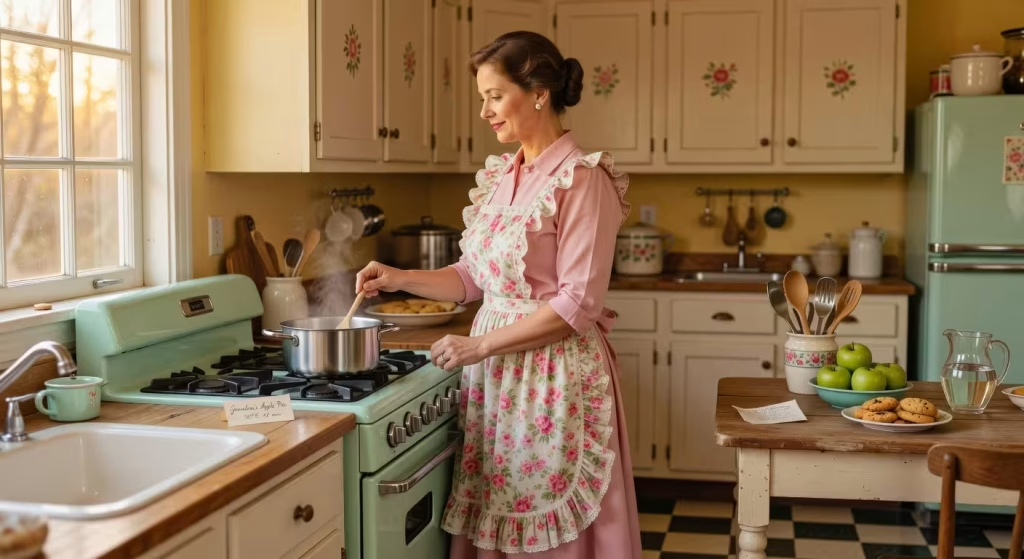
Imagine só: você está em sua cozinha aconchegante, a luz solar entrando pela janela, e você acaba de amarrar aquele avental perfeito—aquele com as bordas franzidas que faz você se sentir como se tivesse saído de uma revista dos anos 1950. Não é mais apenas sobre manter seu vestido limpo; é uma declaração, um tributo à arte atemporal da vida doméstica. Como alguém que tem escrito sobre o estilo de vida tradwife há oito anos, observei o humilde avental se transformar de um simples item utilitário em um símbolo de graça feminina e vida intencional.
Se você está explorando o estética de tradwife, este pedaço de tecido pode se tornar seu novo acessório favorito. Amarrei meu bom número de aventais ao longo dos anos—desde assar tortas para reuniões de Ação de Graças até preparar jantares rápidos depois de um dia de educação em casa. Há algo profundamente fortalecedor em escolher usar um. Isso me lembra por que adotei esse caminho em primeiro lugar: criar um lar que seja quente e acolhedor, enraizado em tradições que parecem certas para minha família.
Um breve histórico do avental nos lares americanos
Os aventais gracearam cozinhas americanas por séculos, mas realmente se desenvolveram durante o início do século 20. Pense naquelas fotografias em preto e branco das fazendas do Meio-Oeste durante a Grande Depressão—mulheres em simples aventais de algodão, se virando com o que tinham. Estes não eram apenas roupas práticas; representavam resiliência e criatividade, valores que ainda ressoam profundamente em nossa comunidade hoje.
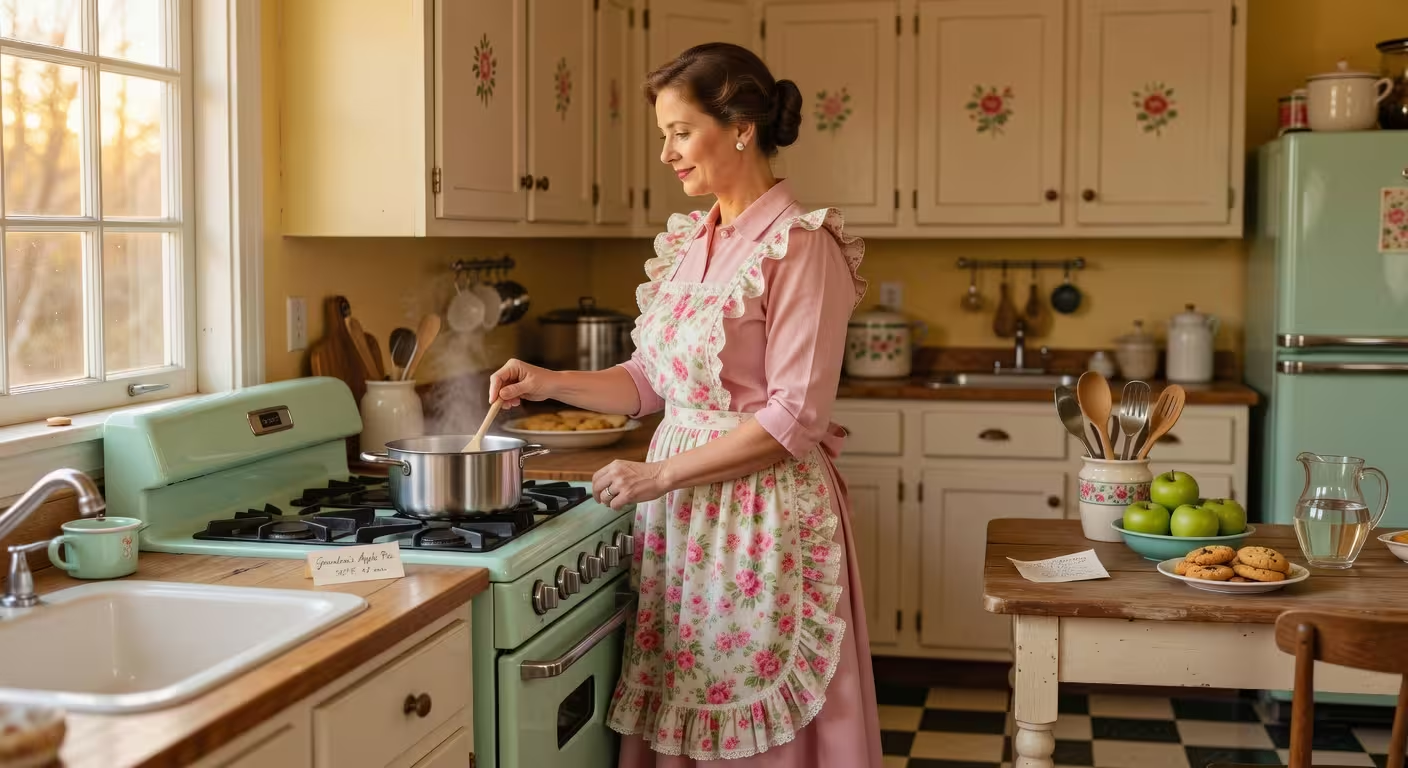
Avançando para os anos 1950, os aventais se tornaram absolutamente elegantes. Com o boom econômico pós-guerra, donas de casa desde a Nova Inglaterra suburbana até a ensolarada Califórnia abraçaram designs coloridos e estampados que coordenavam perfeitamente com sua decoração de cozinha. Marcas anunciadas em catálogos da Sears ofereciam tudo, desde impressões alegres de xadrez até delicadas belezas com acabamento em renda. Era uma era em que o avental simbolizava o ideal de felicidade doméstica—muito como as histórias compartilhadas em toda a movimento tradwife moderno.
Eis o que ninguém te conta: aventais nem sempre ficaram confinados à cozinha. Em tempos coloniais, as mulheres do Sul os usavam para jardinagem, preservação de alimentos ou até visitas sociais—adicionando uma camada protetora sobre seus melhores vestidos. Essa versatilidade é precisamente o que os torna tão atraentes hoje. Estamos testemunhando um genuíno renascimento, com interpretações modernas que honram essas raízes históricas enquanto se encaixam perfeitamente em nossas vidas contemporâneas.
Um cenário que fica comigo é de uma mulher em nossa fórum da comunidade. Ela descobriu o velho avental de sua avó em uma loja de segunda mão no Texas—tecido floral desbotado, ainda notavelmente resistente após décadas de uso. Usá-lo enquanto enlatava pêssegos de verão trouxe um dilúvio de memórias, conectando-a a gerações de donas de casa que vieram antes. São momentos como esses que transformam a história de livros didáticos empoeirados em algo belamente vivo.

Por que os aventais estão fazendo um retorno como declarações de moda
Em nosso mundo acelerado, colocar um avental parece uma rebeldia silenciosa—uma escolha deliberada de desacelerar e saborear os ritmos sagrados do lar. Notei nas redes sociais como as mulheres os estilizam não apenas para tarefas domésticas, mas como partes integrais de sua estética cotidiana. É genuinamente capacitador reclamar algo tão simples e torná-lo distintamente seu.
O ressurgimento se conecta lindamente com estéticas populares como cottagecore e farmhouse style, particularmente amadas no Pacífico Noroeste, onde looks aconchegantes e em camadas reinam supremos. Os aventais adicionam esse charme vintage sem parecer forçado ou fantasiado. São maravilhosamente práticos para secar as mãos durante uma mexida rápida da sopa em sua panela holandesa, mas estilosos o suficiente para usar enquanto cumprimenta convidados na porta.
Dito isso, isso não é puramente impulsionado pela nostalgia. As tradwives modernas estão inovando constantemente, combinando aventais com jeans para um vibe casual do Meio-Oeste ou sobrepostos a sundresses para aquele toque de hospitalidade do Sul. O verdadeiro segredo? Confiança. Quando você usa um avental intencionalmente, está fazendo uma declaração: "Este é meu domínio, e tenho orgulho do trabalho que faço aqui."
Vou ser honesta—no início eu era cética. Mas depois de incorporar um na minha rotina matinal, amarrando-o antes de começar meu ritual do café, tenho me sentido mais arrumada até nos dias mais caóticos. Cria uma transição suave para o "modo de dona de casa" que organiza toda a minha manhã.
Explorando estilos clássicos de aventais para toda tradwife
Nem todos os aventais são iguais, e entender os diferentes estilos ajuda você a escolher o que funciona melhor no seu ritmo diário. O avental de peito completo, com sua volta no pescoço e cobertura generosa, continua sendo um essencial para sessões sérias de cozinha—pense em preparar um churrasco do Dia da Independência ou planejar seu banquete de Ação de Graças. Adoro como ele protege contra respingos enquanto cria esse silhueta clássico dos anos 1950 que parece ao mesmo tempo prático e feminino.

A avental de meia volta prende na cintura e funciona lindamente para tarefas mais leves. Imagine um em linho macio encontrado em uma feira de agricultores, perfeito para limpeza de primavera em uma casa da Nova Inglaterra ou organizando sua cozinha de forma eficiente. É menos volumoso que o estilo babador completo, funcionando mais como um acessório de saia que realça em vez de sobrecarregar seu visual.
O que aprendi ao longo dos anos é que os materiais importam tremendamente. O algodão funciona maravilhosamente bem para durabilidade do dia a dia, resistindo a lavagens frequentes e ao desgaste do uso cotidiano. O linho oferece uma opção mais refinada—lindo para oferecer um brunch de Páscoa ou ocasiões especiais. Recomendo evitar sintéticos quando possível; tecidos naturais respiram melhor, se sentem mais autênticos contra a pele e envelhecem lindamente com o tempo.
Entre você e eu, meu absoluto preferido é um avental de inspiração vintage com bolsos profundos. São incrivelmente úteis para guardar cartões de receita, meu telefone enquanto faço várias coisas, ou até mesmo coletar ovos do galinheiro. É tudo sobre combinar função genuína com elegância sem esforço.
Um exemplo real que ressoa: uma iniciante na vida tradicional de esposa doméstica compartilhou recentemente como começou com um avental branco básico da Target, depois gradualmente atualizou para uma peça customizada estilo esposa de fazenda do Etsy. Essa única melhoria transformou toda sua mentalidade, tornando o cuidado do lar menos uma tarefa e mais uma forma de arte que ela estava ativamente escolhendo praticar.
Twists modernos em designs tradicionais de aventais
É aqui que fica genuinamente interessante. Os aventais de hoje não estão presos em vitrines de museus; designers estão cuidadosamente adicionando elementos contemporâneos que se adequam aos nossos estilos de vida multifacetados. Pense em tecidos à prova d'água para dias de assados bagunçados com as crianças, ou tiras ajustáveis projetadas para conforto durante essas longas sessões à tarde de conservação.
Já vi posts virais sobre aventais com toalhas incorporadas ou loops para ferramentas, inspirados em chefs profissionais mas dimensionados perfeitamente para uso doméstico. Nas tradições do Texas, você encontrará padrões ousados que ecoam a vida em fazendas e herança ocidental, enquanto estilos do Noroeste do Pacífico tendem para tons terrosos e materiais sustentáveis e conscientes do meio ambiente.
A verdade? A personalização se tornou enorme. Bordar suas iniciais, adicionar acabamento franzido ou selecionar um tecido que combine com a decoração da sua cozinha torna um avental exclusivamente seu. Isso se alinha lindamente com a estética tradwife sem complicar seu guarda-roupa ou orçamento.
Um ângulo fresco das conversas recentes da comunidade: usar aventais além da cozinha. São fantásticos para projetos de artesanato, trabalho de fermentação, ou jardinagem—conectando àquele papel abrangente de dona de casa que abraçamos. É uma pequena mudança de pensamento, mas amplia tremendamente o apelo e a praticidade.
Como escolher e estilizar seu avental perfeito
Quando está começando, considere seu ritmo diário e estilo pessoal. Se é novo neste estilo de vida, nosso guia sobre princípios tradwife oferece contexto útil para incorporar elementos tradicionais como aventais perfeitamente na vida moderna. Escolha peças versáteis que realmente combinem com a atmosfera da sua casa, seja fazenda moderna, totalmente vintage, ou algo lindamente no meio.
Dicas de estilo que realmente funcionam: Sobreponha um meio avental a um vestido simples quando sair para fazer recados—isso cria um visual intencional e bem arrumado. Vista um avental de abinha completo com as mangas arregaçadas para trabalhos sérios de cozinha, incorporando esse estética de dona de casa poderosa. Considere combinar com acessórios complementares como um lenço vintage ou brincos de pérola para um charme extra sem exagerar.
Aqui está a parte que a maioria das pessoas pula: o cuidado adequado prolonga significativamente a vida do seu avental. Lave com cuidado para preservar as cores e a integridade do tecido, pendure para secar quando possível, e guarde dobrado de forma organizada para evitar rugas teimosas. Aventais de qualidade bem cuidados podem durar anos, tornando-se peças queridas no seu guarda-roupa de dona de casa.
Tenho que admitir que experimentar diferentes estilos foi uma das minhas partes favoritas dessa jornada. Desde achados de brechó que custam três dólares até ocasionais gastos em peças feitas à mão de lojas do Etsy, cada avental conta sua própria história na minha rotina diária. Algumas manhãs eu pego pela opção prática de algodão; outros dias, quando estou me sentindo particularmente feminina, escolho aquela com bordado delicado.
A chave é encontrar o que te faz você sentir confiante e capaz. Seu avental deve melhorar sua experiência de dona de casa, não complicá-la. Comece simples, construa sua coleção gradualmente, e deixe seu estilo pessoal guiar suas escolhas.
Pronta para abraçar essa bela tradição em sua própria casa? Adoraria ouvir sobre sua jornada com aventais—compartilhe seus favoritos, dicas de estilo, ou achados de brechó com outras donas de casa no Comunidade Tradwife Club. Há algo especial em se conectar com mulheres que entendem por que essas escolhas aparentemente pequenas importam tanto para criar a vida doméstica que desejamos.
Perguntas frequentes
Qual é a diferença entre um avental com peito e um meia bata?
Um avental com peito cobre seu peito e se amarra no pescoço, oferecendo proteção total para tarefas bagunçadas como fritar bacon ou amassar massa de pão. Uma meia bata senta na cintura, tornando-a ideal para tarefas mais leves, como colocar a mesa ou arrumar rapidamente. Ambos os estilos podem ser elegantes ou casuais, dependendo da sua roupa e da ocasião.
Onde posso encontrar aventais de estilo vintage acessíveis?
Lojas de caridade, vendas de espólios e Etsy são verdadeiras minas de ouro para opções econômicas com apelo vintage autêntico. Procure por peças de algodão ou linho de vendedores locais para apoiar pequenos negócios enquanto encontra designs únicos. Muitas mulheres em nossa comunidade regularmente compartilham suas melhores descobertas e lojas favoritas.
Os aventais são apenas para cozinhar, ou podem ser usados para outras atividades?
Os aventais são maravilhosamente versáteis para jardinagem, artesanato, conservação de alimentos ou até tarefas leves de limpeza. Eles protegem suas roupas enquanto adicionam um toque de estilo intencional a todas as suas rotinas domésticas. Trata-se de abraçar o espectro completo do trabalho doméstico com orgulho e praticidade.
Como faço meu avental parecer mais um acessório de moda?
Escolha padrões e cores que complementem seu guarda-roupa existente—florais para uma estética cottagecore, cores sólidas para simplicidade minimalista, ou xadrez para um charme clássico. Adicione toques pessoais como bordado, acabamento com fita ou monograma. Mais importante ainda, use com confiança; isso transforma qualquer avental de uma simples utilidade em um símbolo do seu estilo de vida escolhido.
Há uma razão histórica para aventais terem se tornado associados ao trabalho das mulheres?
Aventais evoluíram de peças práticas usadas por homens e mulheres, mas na história americana tornaram-se intimamente ligados aos papéis domésticos das mulheres durante os séculos XIX e XX. Isso refletiu mudanças culturais mais amplas em direção à feminilidade centrada no lar. Hoje, usar um avental é uma escolha pessoal que capacita em vez de definir, resgatando uma tradição bonita nos nossos próprios termos.
Iniciantes podem incorporar aventais em sua rotina diária facilmente?
Com certeza! Comece com um avental simples e confortável e use-o durante o preparo das refeições para construir o hábito naturalmente. Isso ajuda a criar uma mudança de mentalidade em direção a um cuidado doméstico mais intencional. Com o tempo, você descobrirá que se torna uma parte querida de seu ritmo diário, assim como muitas novas tradwives descobrem quando começam essa jornada.
Leitura Complementar: Para mais contexto, veja Histórico do avental na Wikipédia para informações sobre o histórico do avental.