Cooking From Scratch: A Beginner’s Complete Guide to Wholesome Homemade Meals
Picture this: you’re standing in your kitchen on a crisp morning, the scent of fresh herbs from the farmers market filling the air, and you’re about to turn simple ingredients into a meal that makes your family gather around the table with anticipation. That’s the magic of Cozinhar do zero, and if you’re just starting out, I promise it’s more approachable than it seems.
As a tradwife with years of homemaking experience, I’ve helped countless women discover the joy in this timeless skill. In this guide, we’ll cover everything from why it matters to practical steps for beginners, drawing from real conversations happening in kitchens across America. Whether you’re exploring the tradwife lifestyle or simply wanting to nurture your home with wholesome food, this is your starting point for reclaiming your kitchen and creating meals with intention.
More women are turning to scratch cooking not just for health reasons, but for that deep sense of fulfillment it brings. One homemaker recently shared how ditching boxed mixes during the fall season transformed her family’s Thanksgiving—gone were the preservatives and artificial flavors, in came the real taste of autumn and traditions.
The thing is, in our fast-paced world, cooking from scratch is a quiet act of resistance. It honors values of self-reliance, where grandmothers passed down recipes using cast-iron skillets that lasted generations. When you cook from scratch, you’re not just making dinner—you’re creating a connection to the past while building new memories.
But here’s what nobody tells you: it’s not about perfection. Many beginners worry about time and complexity, yet they discover it actually saves money in the long run. Bulk flour, oats, and dried beans from stores like Costco become staples that cost pennies per serving compared to their processed counterparts.
If you’re feeling overwhelmed by the endless aisles of processed foods at the grocery store, this is your sign to start small. One homemade meal a week can transform into a full repertoire within months. That said, embracing this practice aligns beautifully with the daily habits and weekly rhythms that keep a traditional home humming. It’s empowering, turning everyday tasks into acts of love that nourish both body and soul.
Essential kitchen tools for scratch cooking beginners
Let’s talk tools, because jumping in without the right ones can lead to frustration. A sturdy Dutch oven is a game-changer for soups, stews, and braises that simmer all afternoon, filling your home with the most incredible aromas. You don’t need to spend a fortune—thrift stores often have quality pieces at a fraction of the price.
Start with these essentials: a good chef’s knife that feels comfortable in your hand, measuring cups and spoons, a couple of quality wooden spoons, and a reliable cutting board. A stand mixer is wonderful if baking calls to you, but hands work just fine for kneading dough on a wooden board—there’s something meditative about it.
I’ll be honest, I began with what I had, slowly building my collection as I discovered what I actually used. Many women in our community recommend starting with pantry staples: whole grains, a good selection of spices, quality oils, and vinegars. These form the foundation of countless meals.
Don’t overlook cast-iron pans—they’re perfect for everything from cornbread to seared meats, and they last forever with proper care. According to Lodge Cast Iron, these versatile pans can go from stovetop to oven and improve with age.
What I’ve learned is that quality over quantity matters. Invest in a few pieces that last, and you’ll build confidence without cluttering your counters. Between you and me, skipping fancy gadgets keeps it authentic, much like the timeless aesthetic that favors function and beauty in equal measure.
Your first scratch meal: simple steps to success
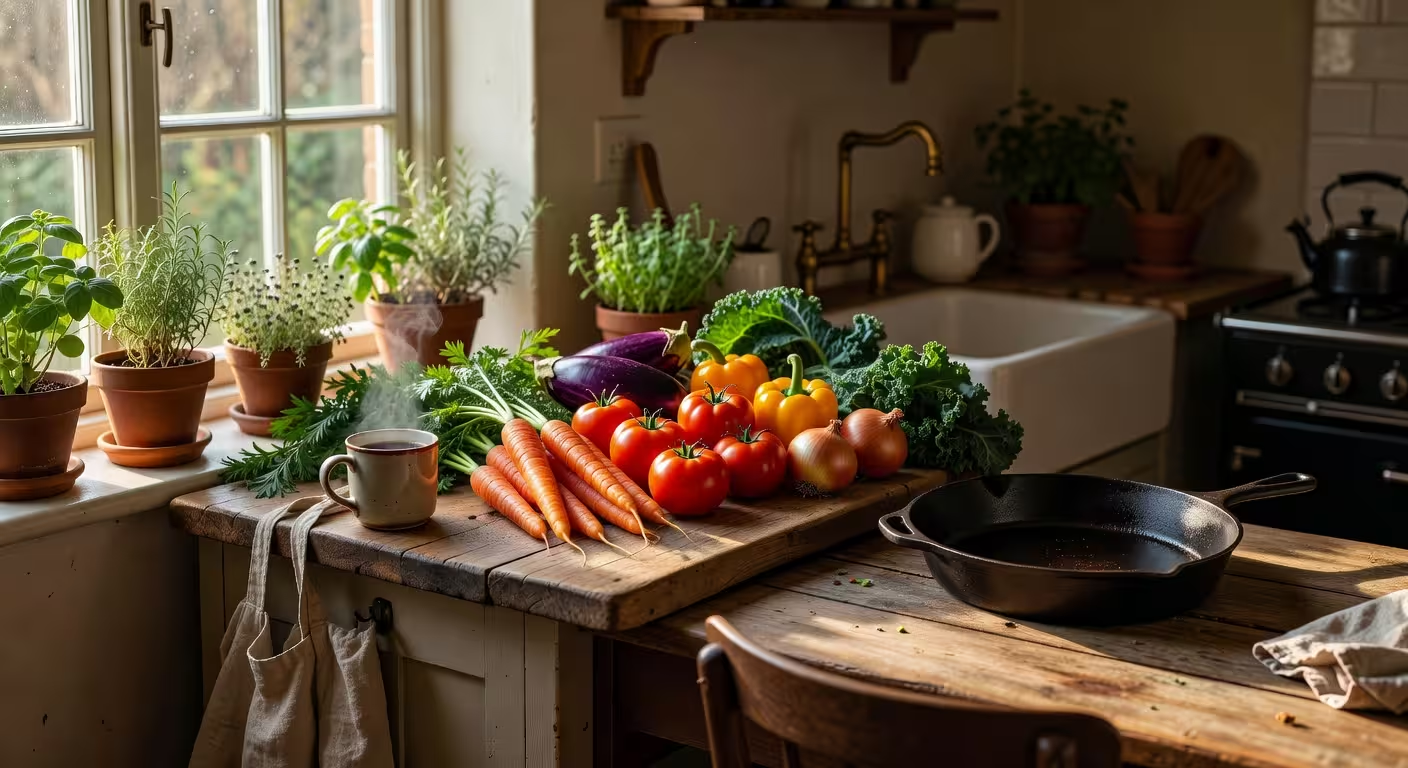
Okay, let’s get practical—because that’s what you’re here for, right? Begin with something forgiving, like a basic vegetable soup using seasonal finds from your local market. Root vegetables like carrots, potatoes, and celery are perfect for building confidence.
First, chop your vegetables into roughly equal sizes—no need for perfection here. Sauté them in olive oil or butter in your Dutch oven until they soften and become fragrant, adding minced garlic for that aromatic foundation that makes everything smell like home.
Next, pour in broth—homemade if you’re adventurous, or quality store-bought to start. Simmer with herbs like thyme, bay leaves, and rosemary, letting the flavors meld while you tidy the kitchen or spend time with your children. The beauty of soup is that it actually improves as it sits.
The truth? This process teaches patience, a virtue that runs deep in traditional homemaking. Taste as you go, adjusting salt and pepper to make it uniquely yours. Serve with crusty bread—even store-bought works beautifully—and you’ve got a meal that feels like a warm embrace on a chilly evening.
For variety, adapt your base recipe to the seasons. Summer calls for fresh tomatoes and basil, while winter invites hearty root vegetables and warming spices. I have to admit, my first attempt was a lumpy stew that my family still teases me about, but it bonded us over laughter and proved that imperfections create the best memories.
Overcoming the most common beginner challenges
The biggest frustration for new scratch cooks is time management—balancing it with all the other homemaking duties in a bustling household. One woman recently shared how she burned her first batch of biscuits because she tried to do too many things at once, but she learned to prep ingredients the night before, turning it into a peaceful evening ritual.
Another challenge? Ingredient sourcing. Not everyone has access to organic farms or specialty stores, but resourcefulness helps. Bulk buys at Costco, Aldi, or even Amazon’s pantry staples can stretch your budget while maintaining quality.
And here’s the part most people skip: forgiving yourself for flops. Every experienced homemaker has tales of dough that didn’t rise, sauce that separated, or cookies that came out like hockey pucks. These aren’t failures—they’re lessons that make you better. The kitchen is a forgiving teacher if you let it be.
Start small and celebrate every win. Made scrambled eggs without burning them? That’s worth acknowledging. Baked your first loaf of bread, even if it’s dense? You just did something your great-grandmother would be proud of. Building confidence happens one small success at a time.
Building sustainable cooking routines that stick
Once you’ve nailed a few recipes, it’s time to weave scratch cooking into your daily life in a way that feels natural, not forced. Meal planning on Sundays has transformed countless kitchens, giving you a roadmap for the week ahead without the daily stress of “what’s for dinner?”
Jot down ideas inspired by the season—hearty casseroles for winter, light salads for summer gatherings. Think about organizando sua cozinha so that your most-used ingredients and tools are within easy reach. This simple step eliminates so much friction from the cooking process.
Vary your approach based on your energy and schedule. Batch-cook sauces in an Instant Pot for quick weeknight dinners, freeing up time for family. Designate certain days for certain types of cooking—maybe Tuesdays for baking, Thursdays for one-pot meals, Sundays for prep work.
The key is consistency without rigidity. Life happens, children get sick, unexpected events pop up. Having a loose framework means you can adapt without feeling like you’ve failed. Look, integrating this with your deeper values makes it sustainable and joyful rather than just another chore on an endless list.
Exploring flavors and creating family food traditions
As you grow confident, the real magic begins—experimenting with regional flavors and creating your own family traditions. Infuse spice into rubs for meats, channel freshness with seasonal berry compotes for desserts, or adapt international dishes to what’s available in your pantry.
One real-life scenario that touched my heart involves a beginner who revived her grandmother’s apple pie recipe during fall apple picking. She made it with her children, teaching them to peel apples and crimp the crust edges. That pie became a new family heirloom that bonded generations through the simple act of creating something together.
Don’t shy away from trying projetos de fermentação once you’re comfortable with basics. Sourdough bread, homemade yogurt, or simple pickles connect you to ancient food preservation methods while adding incredible flavor and nutrition to your meals.
Think about the meals you want your children to remember. What aromas do you want them to associate with home? When they’re grown with families of their own, what recipes will they ask you for? These aren’t just meals—they’re the building blocks of family culture and identity.
Between you and me, this exploration deepens your role as a homemaker in ways that go far beyond nutrition. What I’ve learned is that scratch cooking isn’t just feeding bodies; it’s nourishing souls, creating memories, and building a foundation of love that lasts long after the dishes are washed.
As you continue this journey, remember that our comunidade is here to support you. Share your successes, ask questions when you’re stuck, and celebrate the small victories with women who understand exactly what you’re creating in your kitchen and your home.
Perguntas frequentes
What if I don’t have much time for cooking from scratch?
Start with quick recipes that take under 30 minutes, like simple stir-fries, omelets, or one-pot pasta dishes. Many homemakers find that prepping vegetables and measuring ingredients during quieter moments—like nap time or evenings—makes actual cooking time much shorter on busy days.
How do I avoid wasting ingredients as a beginner?
Buy in small quantities at first and plan multiple meals around the same core ingredients. For example, a rotisserie chicken can become dinner one night, chicken salad for lunch, and broth for soup later. Freeze extras like chopped onions, fresh herbs in ice cube trays with oil, or leftover sauces to extend their life and reduce waste.
Can I cook from scratch on a tight budget?
Absolutely—focus on affordable staples like beans, rice, oats, and seasonal produce from farmers markets or discount stores. Buying in bulk, growing your own herbs on a windowsill, and making your own basics like condiments and seasonings can significantly reduce costs while improving quality.
What are some easy first recipes to try?
Begin with forgiving basics like homemade pancakes, scrambled eggs, simple tomato sauce, or vegetable soup. These build fundamental skills without overwhelming you, and they’re forgiving if things don’t go perfectly. Once comfortable, try traditional recipes that connect you to culinary heritage.
How does scratch cooking fit into a tradwife lifestyle?
It embodies self-sufficiency, stewardship, and nurturing your family with wholesome food made with intention. Scratch cooking is a core practice that aligns with creating a warm, purposeful home environment where meals become moments of connection rather than rushed obligations.
Where can I find more inspiration and support?
Join our Boletim informativo for weekly tips, seasonal recipes, and encouragement from experienced homemakers. Our community shares real-life successes and challenges, creating a supportive space for women at every stage of their cooking journey.