Você acabou de terminar de cozinhar uma panela farta de chili, e embora sua família tenha adorado cada mordida, o aroma persistente se estabeleceu permanentemente nas cortinas da sua cozinha. Como uma esposa tradicional que passei anos transformando minha casa em um refúgio acolhedor, enfrentei minha cota de cheiros teimosos—desde acidentes de animais de estimação em tapetes antigos até aquele odor mofado que se infiltra após uma semana chuvosa. A boa notícia? Você não precisa de produtos químicos agressivos ou produtos caros para recuperar seu espaço. A natureza fornece tudo o que precisamos para criar um lar fresco e convidativo que se alinhe com nossos valores de simplicidade e autossuficiência.
Neste guia, vou compartilhar métodos práticos e naturais para eliminar odores domésticos usando ingredientes que você provavelmente já tem na sua despensa. Quer você seja uma dona de casa experiente ou esteja apenas começando a abraçar a vida doméstica tradicional—como aqueles que exploram nosso valores fundamentais—essas técnicas são simples, eficazes e fáceis de incorporar à sua rotina diária. Vamos restaurar sua casa ao santuário fresco e acolhedor que ela merece ser.
Por que a remoção natural de odores supera sprays comerciais
Vou ser honesto—já recorri àqueles sprays aerossol em momentos de desespero. Mas os aromatizantes comerciais normalmente mascaram odores em vez de eliminá-los, criando uma névoa sintética que contrasta com o aconchego natural que tanto nos esforçamos para cultivar. Métodos naturais abordam a causa raiz usando ingredientes simples: bicarbonato de sódio, vinagre, cítricos, ervas. Esses itens de despensa não apenas cobrem os cheiros; neutralizam-nos na fonte enquanto mantêm a qualidade do ar interno impecável.

Além da eficácia, há algo profundamente satisfatório em usar métodos nos quais nossas avós confiavam. Quando você mantém sua casa com ingredientes naturais, você está evitando as dores de cabeça, irritação respiratória e resíduos químicos que vêm com produtos sintéticos. Uma mulher da nossa comunidade compartilhou como a mudança para remédios naturais eliminou os espirros recorrentes de seus filhos—sua cozinha agora cheira a limão e alecrim em vez de "roupa fresca" artificial.
O verdadeiro segredo? Prevenção combinada com soluções naturais cria uma casa que permanece fresca sem intervenção constante. Uma limpeza rápida com vinagre diluído após cozinhar evita que aqueles fantasmas de alho e cebola se instalem em suas cortinas e estofados. É simples, eficaz e o poupa de acumular garrafas meio usadas embaixo da pia.

Alimentos da despensa que eliminam odores domésticos
Vamos começar com o que você provavelmente já tem à mão, porque as melhores soluções não exigem idas especiais a lojas especializadas. Bicarbonato de sódio é meu absoluto coringa—eu o polvilho sobre carpetes antes de aspirar, coloco recipientes abertos na geladeira para absorver odores de alimentos, e até adiciono à minha roupa para maior frescor. Durante os meses de verão úmido, posiciono pequenas tigelas de bicarbonato de sódio em armários e debaixo das pias onde a mofo tende a se desenvolver.
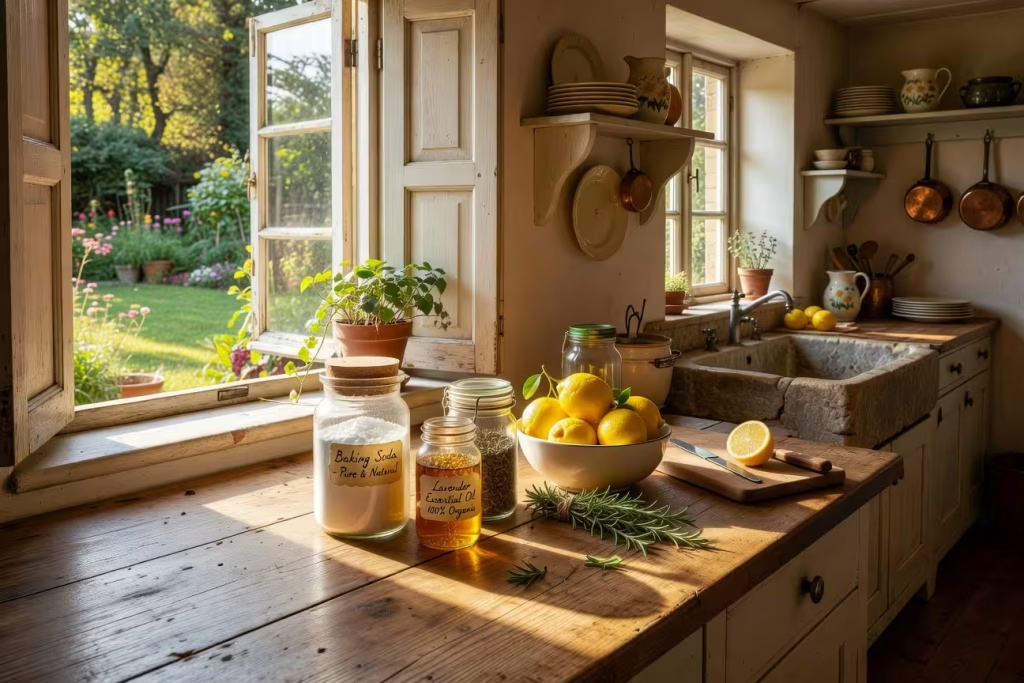
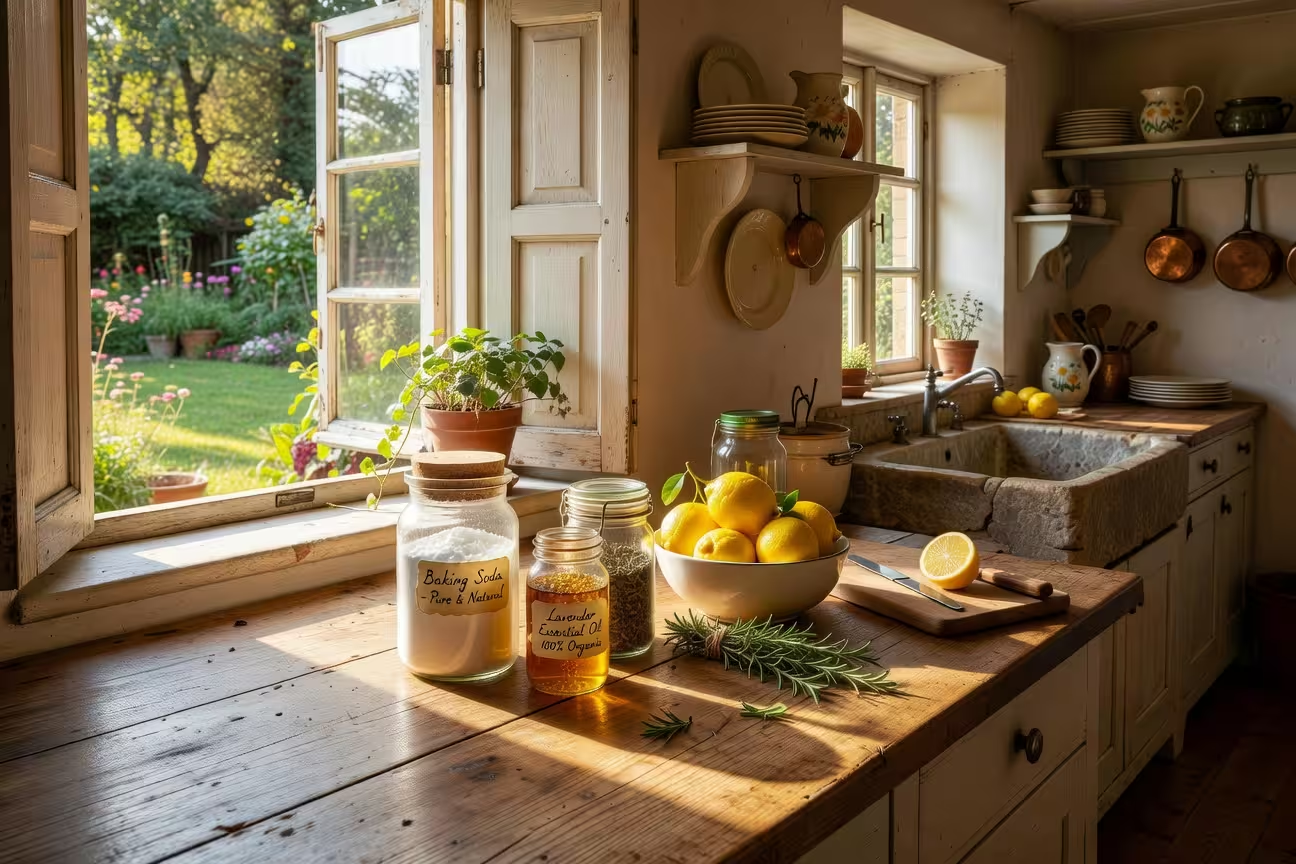
Aqui’s o que transforma bicarbonato de sódio de básico para excepcional: combiná-lo com óleos essenciais. Adicione dez gotas de óleo de lavanda ou limão a uma xícara de bicarbonato de sódio, misture bem, e coloque em um frasco decorativo com furos perfurados na tampa. Você acabou de criar um desodorizante de ar natural que rivaliza com qualquer coisa das butiques caras, e fica lindo nas prateleiras abertas.
Vinagre branco merece elogios iguais. Misture partes iguais de vinagre e água em um frasco spray para uma solução limpadora multiuso que neutraliza odores ao contato. Uso essa mistura em bancadas, dentro da geladeira, e especialmente para acidentes de animais de estimação em estofados. O cheiro de vinagre desaparece rapidamente, levando odores indesejados com ele. Um hábito simples que mudou tudo: mantenho um frasco spray dessa solução debaixo de cada pia da minha casa.
Não subestime frutas cítricas. Limões cortam a gordura e deixam um aroma limpo e brilhante que se sente acolhedor sem ser excessivo. Depois de preparar refeições, esfrego meio limão sobre tábuas de corte e deixo repousar por alguns minutos antes de enxaguar. Para um desodorizante de ar natural que preencha toda a sua casa, cozinhe em fogo brando cascas de limão com paus de canela e cravo-da-índia inteiros em uma panela de água. O aroma é quente e convidativo—perfeito para quando os convidados chegam inesperadamente.
Esses ingredientes me salvaram inúmeras vezes, mantendo minha casa apresentável e alinhada com nosso compromisso com práticas intencionais de organização do lar que priorizam tanto a eficácia quanto a simplicidade.

Soluções de odor na cozinha que realmente funcionam
A cozinha abriga alguns dos odores domésticos mais persistentes—desde o peixe que fica impregnado após o jantar de sexta-feira até aquele leve cheiro de mofo que se desenvolve ao redor da pia. Minha solução mais eficaz é também a mais simples: ferva uma panela com água, vinagre de maçã e ramos frescos de alecrim por vinte minutos. Essa combinação neutraliza os odores de cozimento enquanto preenche sua casa com um aroma herbáceo que parece intencional em vez de artificial.
Para pias com disposer que desenvolvem odores desagradáveis, congele vinagre em bandejas de cubos de gelo e passe vários cubos pelo disposer semanalmente. O gelo afila as lâminas enquanto o vinagre elimina as bactérias causadoras de odor. Siga isso com cascas de cítricos para um aroma fresco. Esse método, recomendado por especialistas em limpeza, mantém seu disposer fresco entre limpezas profundas.
Odores de geladeira requerem uma abordagem diferente. Coloque uma caixa aberta de bicarbonato de sódio em cada prateleira, substituindo-as mensalmente. Para odores mais fortes, espalhe bicarbonato de sódio em uma assadeira com borda e deixe na geladeira durante a noite. A maior área de superfície absorve odores de forma mais eficaz. Aprendi esse truque depois de armazenar restos de comida particularmente pungentes, e se tornou um hábito de manutenção mensal que previne completamente o acúmulo de odores.
Tábuas de corte, especialmente as de madeira, se beneficiam de um tratamento com sal e limão. Polvilhe sal grosso sobre a superfície, esfregue com meio limão, deixe descansar por cinco minutos e depois enxágue bem. Este método desinfeta enquanto remove odores absorvidos de alho, cebola e carne crua. É uma prática que aprendi com a organização mais eficiente da minha cozinha, e ela aumentou consideravelmente a vida útil das minhas tábuas de madeira.
Soluções rápidas para emergências culinárias
Quando você acidentalmente queima algo no fogão, apenas a ventilação não é suficiente. Imediatamente, coloque em fogo brando uma panela de água com várias colheres de sopa de extrato de baunilha. O aroma doce neutraliza odores de queimado notavelmente bem. Mantenha as janelas abertas e os ventiladores ligados, mas a baunilha cria um ambiente mais agradável enquanto o odor de queimado se dissipa naturalmente.

Frescor no banheiro sem sprays químicos
Banheiros apresentam desafios únicos porque a umidade cria o ambiente perfeito para odores mofados e desagradáveis. Minha primeira linha de defesa é a ventilação adequada—ligue o exaustor durante e por quinze minutos depois de cada banho. Este hábito simples previne mais problemas de odor do que qualquer produto poderia.
Para o mofo persistente, coloque tigelas de pó de café nos cantos durante a noite. O pó absorve umidade e odores simultaneamente, deixando para trás um aroma sutil e agradável. Descobri este método em guias antigos de economia doméstica, e se mostrou mais eficaz do que absorvedores de umidade comerciais que exigem substituição constante.
Crie um fresqueador natural para o vaso sanitário combinando bicarbonato de sódio com seus óleos essenciais favoritos em um frasco decorativo. Polvilhe uma pequena quantidade na tigela antes do uso—isso ajuda a controlar odores naturalmente. Para limpeza mais profunda, despeje uma xícara de bicarbonato de sódio e uma xícara de vinagre branco no vaso, deixe fazer espuma por trinta minutos, depois esfregue e dê descarga. Esta combinação combate odores na origem enquanto mantém seu vaso sanitário brilhando limpo.
Cortinas de chuveiro de tecido e tapetes de banheiro retêm umidade e desenvolvem odores de mofo com o tempo. Lave-os mensalmente em água quente com uma xícara de vinagre branco adicionada ao ciclo de enxágue. Para cortinas de chuveiro, adicione vários toalhas de banho à lavagem—elas fornecem agitação que limpa resíduos de sabão e mofo de forma mais eficaz do que apenas a máquina de lavar.
Soluções naturais para tecidos e estofados
Tecidos macios—sofás, cortinas, roupas de cama, tapetes—absorvem e retêm odores de forma muito mais persistente do que superfícies duras. Para refrescar rapidamente entre limpezas profundas, crie um spray para tecido combinando duas xícaras de água, duas colheres de sopa de vodka (sim, vodka simples) e dez gotas de óleo essencial em um frasco de spray. O álcool elimina as bactérias causadoras de odor conforme evapora, levando os cheiros consigo e não deixando resíduos.
Para carpetes e tapetes, meu método mais confiável combina bicarbonato de sódio com prevenção. Polvilhe bicarbonato de sódio generosamente sobre toda a superfície, deixe repousar por pelo menos trinta minutos (durante a noite para odores persistentes) e depois aspire cuidadosamente usando passadas lentas e sobrepostas. O tempo de contato prolongado permite que o bicarbonato de sódio absorva odores enraizados profundamente que tratamentos rápidos não conseguem eliminar.
Odores de animais de estimação em móveis requerem atenção imediata. Seque acidentes frescos com toalhas de papel, depois sature a área com uma mistura de partes iguais de água e vinagre branco. Seque novamente, polvilhe com bicarbonato de sódio e deixe secar completamente antes de aspirar. Para odores já instalados, você pode precisar repetir este processo várias vezes, mas é notavelmente eficaz sem danificar os tecidos.
Cortinas e drapeados se beneficiam de arejamento regular—leve-os para fora em dias ensolarados e ventosos e deixe o ar fresco fazer sua mágica. A luz solar mata naturalmente as bactérias causadoras de odor enquanto os raios UV ajudam a quebrar os compostos orgânicos que criam cheiros de mofo. Esta prática simples, combinada com lavagem regular de acordo com as etiquetas de cuidado, mantém os tratamentos de janelas frescos o ano todo.

Estratégias de prevenção que impedem odores antes de começarem
O controle de odor mais eficaz ocorre antes que os cheiros se tornem perceptíveis. Estabelecer hábitos diários simples previne o acúmulo e mantém sua casa consistentemente fresca. Cada manhã, abro as janelas por quinze minutos—até no inverno—para circular ar fresco por toda a casa. Esta prática única elimina o ar viciado da noite e previne aquele cheiro de fechado que se desenvolve em casas hermeticamente seladas.
O gerenciamento de lixo faz uma enorme diferença. Forre os caixotes com jornal para absorver líquidos, retire o lixo diariamente em vez de deixá-lo acumular, e polvilhe bicarbonato de sódio no fundo dos caixotes entre as trocas de sacos. Para o lixo da cozinha, mantenha um pequeno recipiente com tampa para resíduos de compostagem e esvazie-o em sua lixeira de compostagem externa a cada noite. Isso evita que alimentos em decomposição criem odores dentro de casa.
Os hábitos de lavar roupa impactam a frescura geral da sua casa muito mais do que você poderia esperar. Nunca deixe roupas molhadas na máquina de lavar—aquele cheiro azedo se desenvolve rapidamente e se transfere para outras cargas. Pendure as toalhas para secar completamente entre usos em vez de deixá-las amassadas em toalheiros. Adicione meia xícara de vinagre branco ao ciclo de enxágue periodicamente para remover o acúmulo de detergente que pode fazer os tecidos cheirarem a mofo mesmo quando limpos.
Considere o layout da sua casa e os padrões de circulação de ar. Em espaços de conceito aberto, os odores viajam livremente, então aborde-os na fonte em vez de tentar mascarar em outro lugar. Coloque absorvedores naturais de odor—tigelas de bicarbonato de sódio, sacos de carvão ativado ou borra de café—em áreas problemáticas antes que os cheiros se desenvolvam. Esta abordagem proativa, combinada com o práticas intencionais de organização do lar que valorizamos, cria um ambiente que permanece naturalmente fresco.
Abordagens sazonais para refrescar naturalmente a casa
Conforme as estações mudam, também mudam os desafios de odor que enfrentamos e as soluções naturais disponíveis para resolvê-los. O outono traz aumento de umidade pela chuva, junto com aquele cheiro terroso que as folhas molhadas trazem para dentro de casa. Combata isso secando cascas de laranja e limão em forno baixo, depois colocando-as em gavetas e armários. Os óleos cítricos naturalmente repelem a umidade enquanto liberam um aroma quente e acolhedor.
As janelas fechadas do inverno e os aquecedores ligados criam um ar enrarecido que se acumula gradualmente. Deixe fervendo potes de água com paus de canela, cravo inteiro e extrato de baunilha durante o dia. Isso cria a atmosfera aconchegante e acolhedora que associamos às festas de final de ano sem fragrâncias artificiais. Ramos de plantas perenes frescas em vasos fornecem aroma natural enquanto adicionam beleza sazonal à sua decoração.
A temporada de limpeza de primavera requer abordagens mais profundas. Limpe a vapor os carpetes com água quente e vinagre branco adicionado ao reservatório. Abra cada janela e deixe o ar fresco fluir enquanto você trabalha. Lave toda a roupa de cama, cortinas e capas de móvel. Coloque tigelas de vinagre branco pela casa durante a noite para absorver o mofo acumulado do inverno. O investimento de tempo compensa com frescura que dura todo o verão.
O calor do verão intensifica os odores, particularmente em cozinhas e banheiros. Mantenha os ralos de pia frescos com cubos de vinagre congelado, e coloque tigelas de bicarbonato de sódio em armários onde a umidade cria cheiros de mofo. Ervas frescas do seu jardim—hortelã, alecrim, lavanda—podem ser amarradas e penduradas em portas, liberando fragrância sutil quando você passa por elas. Esses ajustes sazonais, adaptados ao seu clima e estilo de vida, mantêm a frescura durante o ano todo.
Quando métodos naturais precisam de reforço
Às vezes, apesar de nossos melhores esforços, odores persistem—e isso é um sinal para procurar mais profundamente. Cheiros de mofo crônicos podem indicar mofo oculto, particularmente em porões, espaços rastreáveis ou atrás das paredes. Manchas de água no teto ou nas paredes, tinta descascando ou mofo visível justificam avaliação profissional. Enquanto você está arranjando ajuda, use sacos de carvão ativado e desumidificadores para controlar a umidade e absorver odores temporariamente.
Cheiros persistentes de esgoto sugerem problemas de encanamento—sifões P secos, vedações danificadas ou problemas de ventilação. Despeje água em ralos raramente usados mensalmente para manter os sifões P cheios e funcionando adequadamente. Se o cheiro continuar, de acordo com profissionais de encanamento, você precisará de um diagnóstico especializado para identificar e reparar a causa subjacente.
Para situações avassaladoras—como danos por fumaça de um incêndio na cozinha ou acidentes com animais de estimação que penetraram nos subsolos—métodos naturais proporcionam alívio temporário enquanto você organiza a remediação profissional. Combine sua abordagem: ventile constantemente, coloque tigelas de vinagre em todas as áreas afetadas, use ventiladores para promover a circulação do ar e aplique bicarbonato de sódio generosamente em todas as superfícies. Essas medidas tornam o espaço mais tolerável enquanto os reparos adequados são realizados.
Lembre-se, a persistência importa mais do que a perfeição. A remoção natural de odores geralmente requer aplicações repetidas e paciência, mas os resultados valem o esforço. Seu lar reflete o cuidado que você investe nele, e escolher métodos naturais se alinha com nossos valores de criar ambientes saudáveis e íntegros para nossas famílias.
Se você está enfrentando esses desafios ao lado de outros aspectos da administração do lar tradicional, encorajo você a se conectar com mulheres que caminham no mesmo caminho. Compartilhe suas experiências, aprenda com outras e encontre apoio em nossa comunidade—há tremendo valor na sabedoria coletiva de donas de casa que entendem tanto as dificuldades quanto as vitórias de criar um lar acolhedor.
Perguntas frequentes
Qual é a forma mais rápida de neutralizar cheiros de cozinha?
Deixe fervendo uma panela de água com vinagre branco e cascas de frutas cítricas por quinze a vinte minutos. Isso absorve os odores de cozinha rapidamente sem deixar fragrâncias artificiais. Para prevenção, acione o ventilador de exaustão da cozinha enquanto cozinha e abra uma janela para promover a circulação de ar.
Como removo odores de animais de estimação dos tapetes naturalmente?
Polvilhe bicarbonato de sódio generosamente sobre a área afetada e deixe agir durante a noite para absorver completamente os odores. Passe o aspirador com movimentos lentos e sobrepostos na manhã seguinte. Para odores mais persistentes, pulverize a área com partes iguais de água e vinagre branco antes de aplicar o bicarbonato de sódio, depois passe o aspirador uma vez completamente seco.
Os óleos essenciais são seguros para casas com crianças pequenas?
Sim, quando usados diluídos e com moderação. Escolha opções seguras para crianças como lavanda, camomila ou laranja doce, e use-os em difusores ou sprays em vez de aplicar diretamente na pele. Sempre teste sensibilidades começando com pequenas quantidades e evite eucalipto e hortelã-pimenta perto de crianças menores de três anos.
E se os métodos naturais não forem fortes o suficiente para cheiros de fumaça?
Coloque tigelas com vinagre branco em vários locais da sala afetada e deixe durante a noite. Lave todos os tecidos que absorveram fumaça, incluindo cortinas, capas de móveis e roupa de cama. Limpe as superfícies duras com solução de vinagre. Os métodos naturais exigem mais tempo do que produtos químicos, mas funcionam efetivamente com paciência e aplicação repetida.
Como posso fazer meu próprio spray desodorizante de ar natural?
Combine dois copos de água, duas colheres de sopa de vodca (como conservante) e quinze a vinte gotas de seus óleos essenciais favoritos em um frasco spray. Agite bem antes de cada uso. A vodca ajuda o aroma a se distribuir uniformemente e evita o crescimento bacteriano. Experimente combinações como lavanda e baunilha ou limão e alecrim para fragrâncias personalizadas.
Esses métodos funcionam em climas úmidos?
Absolutamente, embora você precise atualizá-los com mais frequência e adicionar elementos desumidificadores. Use pacotes de gel de sílica ou sacos de carvão ativado em armários e gabinetes. Execute desumidificadores em áreas particularmente úmidas como porões. A chave é resolver o problema de umidade subjacente enquanto usa absorvedores naturais de odor para manter a frescura entre os tratamentos.