How to Live on One Income in America: A Practical Tradwife Guide
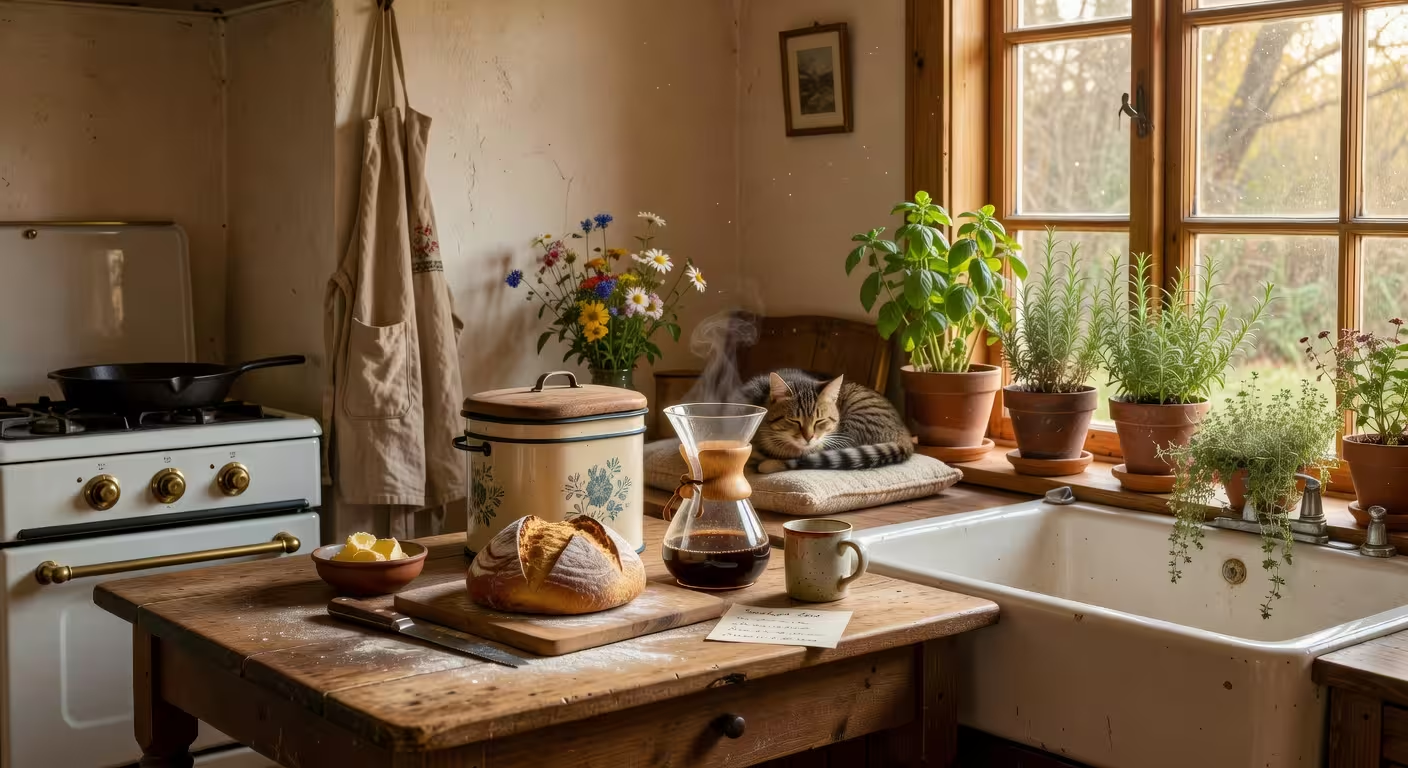
Picture this: you’re sipping your morning coffee in a sunlit kitchen, the scent of fresh-baked bread wafting from the oven, while your husband heads out to work knowing the home front is secure. That’s the dream for many of us embracing the tradwife life, but making it work on a single income in today’s America? It’s not just possible—it’s empowering when done right.
Living on one income means prioritizing what truly matters: family, home, and financial freedom without the grind of two jobs pulling you apart. This guide shares practical strategies that real women are using right now, from budgeting hacks to seasonal meal planning, all tailored for American homemakers ready to thrive—not just survive—on a single paycheck.
Across the heartland, where family values run as deep as the roots of an old oak, more women are choosing to step back from the workforce to nurture their homes full-time. It’s not about giving up independence; it’s reclaiming it in a way that aligns with our instincts and values.
I’ve chatted with countless women in our online spaces who say the peace of mind from being present for their children outweighs any extra paycheck. The economy isn’t always kind—inflation hits hard, and grocery bills can skyrocket faster than a summer storm. But here’s what nobody tells you: living on one income builds resilience. You learn to stretch dollars in ways that make you genuinely proud, turning potential stress into a badge of homemaking honor.
One scenario that sticks with me is a young couple in the Pacific Northwest who made the leap after their first baby. They were terrified at first, staring at a budget that seemed impossibly tight. But by focusing on kitchen efficiency and home-cooked meals sourced from local farmers markets, they not only survived but thrived. She transformed their small backyard into a vegetable haven that cut costs dramatically while providing fresh, organic produce for their table.
The shift requires intention, but it also brings unexpected gifts: more time for meaningful traditions, deeper connection with your spouse, and the satisfaction of creating a home that truly reflects your values. If you’re exploring this path, understanding the broader tradwife movement can help you feel connected to something larger than yourself.
Building a Rock-Solid Budget That Works for Real Life
The foundation of single-income living is a budget that feels like a warm hug, not a straitjacket. When my husband and I first committed to this lifestyle, we sat at our kitchen table with a notepad, listing every expense from warehouse club runs to the occasional splurge for that perfect throw pillow.
Start by tracking your inflows and outflows for a full month. Use a simple app or even a vintage-style ledger if that’s your vibe. Categorize ruthlessly: necessities like housing, utilities, and food first, then the joys like holiday decor or seasonal celebrations. What I’ve learned is that most families overestimate their “needs” by about twenty percent—trim the extras, and suddenly you’re breathing easier.
The key is involving your partner fully. As outlined in our guide to traditional marriage dynamics, a supportive spouse makes all the difference, turning budgeting into a team effort rather than a solo chore. Schedule monthly money meetings where you review progress together, celebrate wins, and adjust as needed.
Focus on seasonal shifts to maximize savings. In fall, stock up on apple-picking hauls from local orchards to make preserves that last through winter. It’s cheaper than store-bought, and the satisfaction of pulling a jar from your pantry mid-January is unmatched. Come spring, plant a garden—even container herbs on a windowsill can cut costs while adding fresh flavor to every meal.
One pitfall to avoid: impulse buys at big box stores. Those end-cap displays are sneaky temptresses designed to separate you from your hard-earned money. Set a firm rule—nothing goes in the cart unless it’s on the list. Your wallet will thank you, and you’ll feel more in control of your spending.
Once your budget is set, automate savings. Even fifty dollars a month into an emergency fund builds security, especially during unpredictable times like harsh winters that demand extra heating costs. According to financial experts, having even a small emergency fund dramatically reduces financial stress and prevents debt accumulation.
Meal Planning Like a Pro to Slash Grocery Bills
Food is where many budgets break, but it doesn’t have to be your financial downfall. Tradwives across the country are mastering meal prep with tools like the Instant Pot—perfect for those hearty stews that feed a family for days with minimal effort and maximum flavor.
Plan your weeks around sales at your neighborhood grocery store. I aim for themes that create rhythm: Meatless Mondays with beans from the bulk bin, Taco Tuesdays using affordable ground meat stretched with vegetables, or Friday fish fries nodding to regional traditions. It’s not just saving money; it’s creating rituals that bind your family closer around the dinner table.
When I started this journey, I wasted so much on forgotten produce rotting in the crisper drawer. The fix? Shop with clear intention. Make a list based on specific recipes you’ve planned—perhaps a classic pot roast in your Dutch oven for Sunday supper, or a big batch of homemade sourdough that eliminates the need for expensive bakery bread.
Gardening amplifies your savings beautifully. Even in urban settings, container vegetables can thrive. One woman in our community shared how her balcony tomatoes saved her hundreds over summer, turning simple salads into something special without the premium price tag. Cherry tomatoes, herbs, and peppers are particularly forgiving for beginners.
Variety keeps meal planning from feeling monotonous. Mix in thrift-store finds for kitchen gadgets—I’ve scored cast iron skillets for just a few dollars that outlast any fancy brand. Making your own condiments is another game-changer, transforming basic ingredients into gourmet touches.
The truth? Mastering meals on one income turns cooking from a daily task into a creative art form—one that nourishes both body and soul while keeping your budget intact.
Thrifting and DIY for a Stylish, Affordable Home
Who says a beautiful home requires a massive budget? In the world of farmhouse style and cottagecore aesthetics, thrifting reigns supreme. Head to your local thrift stores or browse online marketplaces for vintage pieces that add authentic charm without breaking the bank.
I’ve transformed entire rooms with DIY projects—repainting a thrifted dresser in soft pastels for a nursery, sewing curtains from discounted fabric, or creating wall art from natural materials gathered on nature walks. It’s incredibly empowering, knowing your own hands created the coziness that welcomes your family home each day.
Balance is essential, though. For bigger investment items, wait for sales at quality retailers, but only if it genuinely fits the budget and serves a long-term purpose. Many women in our newsletter community swear by seasonal swaps: spring cleaning means decluttering and selling unused items on apps to fund summer porch updates or fall decorating.
A real-life example? A woman new to the tradwife lifestyle shared her initial frustration with high decor costs. She pivoted to upcycling—turning old mason jars into candle holders for holiday gatherings, refinishing a weathered ladder as a towel rack, and creating a gallery wall from family photos in mismatched vintage frames. Simple changes made her space feel uniquely hers while spending almost nothing.
The tradwife aesthetic naturally lends itself to this approach. Vintage linens, hand-me-down furniture with stories to tell, handmade touches—these elements create warmth that no showroom can replicate. Thrift smart, DIY often, and your home becomes a haven on any income level.
Creating Additional Income Without Leaving Home
Sometimes a single income needs a gentle boost, and the beauty of homemaking skills is that many translate into micro-income opportunities. The key is finding ways to contribute financially without sacrificing your primary role or overwhelming your schedule.
Consider your natural talents. Are you an exceptional baker? Selling homemade goods at local farmers markets or taking custom orders for special occasions can generate steady side income. Do you have a green thumb? Growing seedlings or herbs to sell to neighbors creates profit from your garden hobby.
Sewing and alterations remain in high demand, especially in communities where fast fashion has eroded basic mending skills. One woman I know built a thriving business hemming pants and altering thrift store finds for clients, all from her dining room table during naptime.
Childcare swaps with other families can also offset costs—watching a neighbor’s children a few hours weekly in exchange for the same, eliminating babysitting expenses for date nights or appointments. It builds community while solving a practical need.
The important boundary: any side income should complement, not compete with, your homemaking priorities. If it creates more stress than financial relief, it’s not worth pursuing. Your primary value lies in the home you’re creating, and that should never be compromised for a few extra dollars.
Navigating Challenges and Staying Motivated
Every worthwhile path has obstacles. Rising healthcare costs, unexpected car repairs, or seasonal fluctuations in your husband’s income can test your resolve, especially in rural areas where options feel limited.
Here’s what nobody tells you: community support is your secret weapon. Joining groups of like-minded women helps immensely—sharing stories of overcoming debt, finding creative solutions to budget crunches, or simply encouraging each other through difficult seasons. The isolation of modern life makes this lifestyle harder than it needs to be, but connection changes everything.
I’ll be honest—there were months when doubt crept in, when I wondered if we were making the right choice. But reflecting on our core values reminded me why we chose this: for the freedom to live intentionally, to prioritize relationships over resume-building, to create a home that feels like a sanctuary rather than just a place to crash between obligations.
Stay motivated by celebrating small wins. A debt-free month? Treat yourselves to a picnic with homemade treats. Successfully stuck to the grocery budget? Enjoy a family game night with your favorite snacks. Progress matters more than perfection, and acknowledging forward movement builds momentum.
From the experienced homemaker to the complete beginner, remember: this lifestyle is a marathon, not a sprint. Pace yourself, lean on daily rhythms and routines that create structure, and watch your confidence grow with each passing season.
Living on one income in America isn’t about deprivation or going backward—it’s about moving forward with purpose, creating abundance through resourcefulness, and building a life that reflects what you truly value. Share your journey and learn from others walking this same path in the Tradwife Club community, where real women support each other in creating homes and lives they love.
Frequently Asked Questions
What if we have debt—can we still make one income work?
Absolutely. Start by prioritizing high-interest debt and creating a realistic payoff plan. Many women find that cutting non-essentials like streaming subscriptions and restaurant meals frees up cash quickly. The snowball method—paying off smallest debts first—builds momentum and confidence without overwhelming your household rhythm.
How do I handle societal pressure to work outside the home?
Focus on your family’s needs and values—it’s your life, not theirs. Surround yourself with like-minded women who validate your choice and understand your priorities. The fulfillment from intentional homemaking often silences external noise better than any argument, and your results will speak for themselves over time.
What’s the best way to save on utilities and household expenses?
Simple habits make a big difference: line-dry clothes in warmer months, use programmable thermostats, switch to LED bulbs, and unplug devices when not in use. Consider energy audits from local providers to pinpoint savings opportunities. Many tradwives also recommend making your own cleaning products, which cost pennies compared to commercial versions.
Can I afford hobbies or self-care on a tight budget?
Yes, by getting creative. Library books fuel reading time, free park yoga provides wellness, and nature walks cost nothing while refreshing your spirit. Budget a small “fun fund” each month—even twenty dollars—and you’ll find joy in low-cost activities that recharge you for your homemaking role.
How do children factor into a one-income budget?
Incorporate them into thrifty habits from the start. Family game nights replace expensive outings, hand-me-downs and community swaps keep clothing costs minimal, and involving children in gardening or cooking teaches valuable life skills. These practices teach gratitude and resourcefulness while keeping your finances intact.
What about healthcare costs on one income?
Explore high-deductible health plans paired with Health Savings Accounts for tax advantages. Prioritize preventive care and maintain a basic home remedy kit for minor ailments. Many families find faith-based healthcare sharing ministries or state programs that make coverage manageable on a single income while still providing necessary protection.