Stress Management for Homemakers: Finding Peace in Your Daily Rhythm
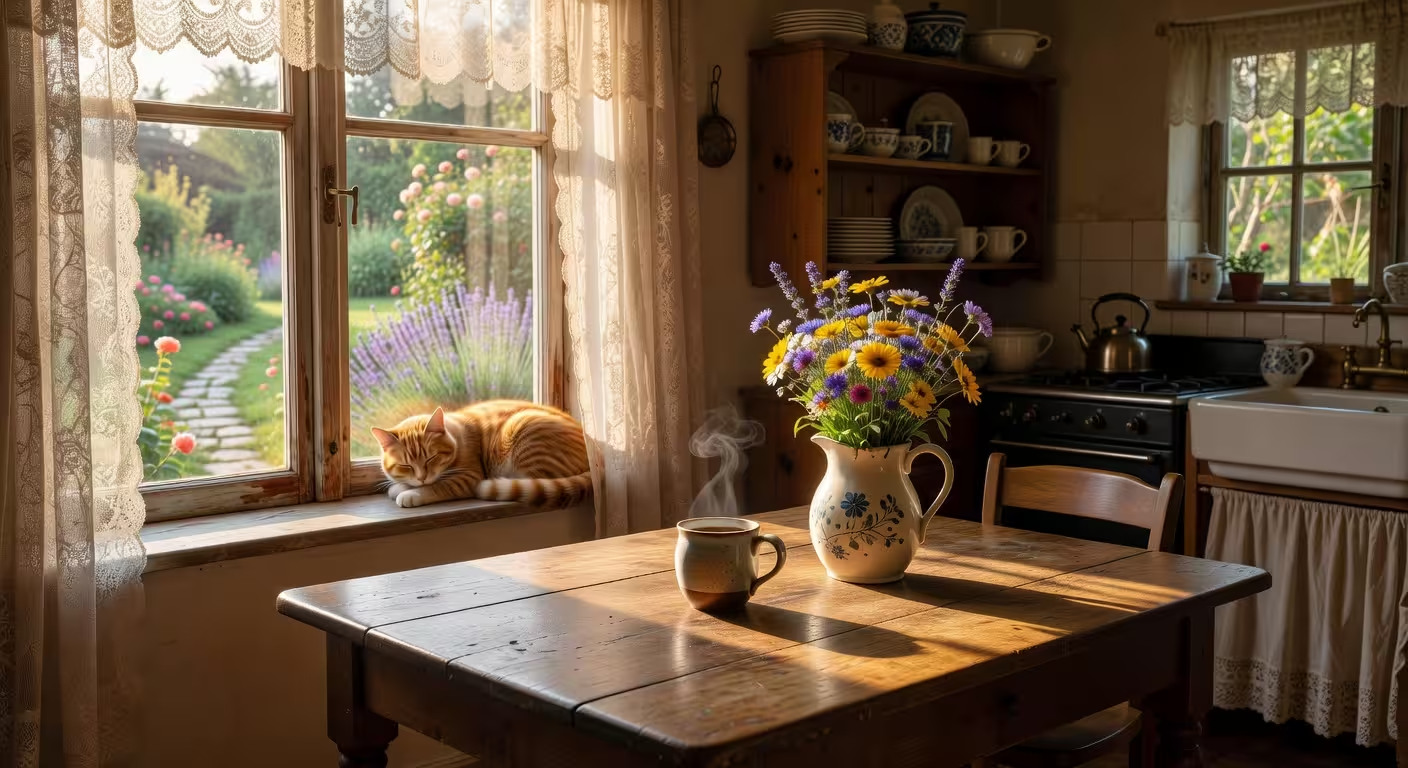
Picture this: It’s a crisp autumn morning, the leaves turning that golden hue, and you’re standing in your cozy kitchen with a steaming mug of coffee. But instead of feeling the warmth of the season, there’s a knot in your stomach from the endless to-do list—laundry piling up, dinner to plan, and the kids’ schedules swirling like a tornado. If you’ve felt that stress creep in, threatening to steal the joy from homemaking, you’re not alone. The good news? Managing it doesn’t mean abandoning our values; it’s about weaving self-care into the fabric of our daily rhythms, making our homes havens of peace rather than pressure cookers.
In those first overwhelming days when I transitioned to full-time homemaking, I learned quickly that stress isn’t just about the tasks—it’s about how we approach them. This article dives into practical ways to tame that tension, exploring routines that honor our mode de vie tradwife while nurturing our well-being. Whether you’re just starting out or years into this journey, know that you’re not alone—head over to our Communauté to connect with others walking this path.
Stress has a sneaky way of building up, doesn’t it? One day you’re humming along, folding linens with that satisfying snap, and the next, you’re snapping at your husband over something trivial. Many homemakers describe it starting with fatigue that no amount of sleep shakes off, or that nagging irritability during what should be peaceful family dinners. Sometimes it manifests as forgetting simple things, like picking up apples from the farmers market for your fall pie tradition.
Here’s what nobody tells you: Ignoring these signs can turn our nurturing homes into battlegrounds. But catching them early? That’s empowering. Think about it—in our daily habits, we emphasize listening to our bodies, much like tending a garden before weeds overrun it. A friend of mine realized her constant headaches were from skipping her afternoon tea ritual. She adjusted, and suddenly, her whole household felt lighter.
Pay attention. Journal it if you must. That awareness is the first step to reclaiming your calm. I’ve been there, staring at my mixer like it was the enemy after a long day of baking from scratch. What helped? Stepping back and acknowledging that even in our empowered choice to homemake, we’re human. No perfection required.
Building a daily rhythm that breathes
Creating a rhythm that allows breathing room is essential for managing stress. Start your day with intention: A quiet moment with coffee before the family stirs, perhaps planning the week’s meals while enjoying that peaceful morning stillness. This practice of beginning your day with gratitude can transform your entire outlook.
I’ll be honest, when I first started, I overloaded my mornings with chores, thinking that was the “traditional” way. But our foremothers built in rests—think pioneer women pausing for midday reads. Incorporate short breaks: After homeschooling or tidying, take a walk in your neighborhood, soaking in the fresh air and natural beauty around you.
Variety keeps it fresh. One day, meal prep traditional recipes for easy dinners; another, delegate lighter tasks to the kids, teaching them responsibility. And for those just exploring this lifestyle, easing in with small changes prevents overwhelm—no need to overhaul everything at once.
A well-paced day feels like a victory. It honors our role without draining us dry. Don’t forget evenings—wind down with a book from our recommended liste de lecture, something light that nourishes your spirit. These pockets of peace recharge us for tomorrow.
Self-care rituals borrowed from the seasons
Fall means apple picking and pumpkin patches, but it also signals a time to harvest our own inner calm. Tie your self-care rituals to the calendar: In summer, a quick dip in the backyard pool while the little ones play; during holiday prep, delegate decorating to share the load. According to research from the American Psychological Association, regular stress management practices significantly improve overall well-being.
These aren’t luxuries; they’re necessities. One woman described her breakthrough: Overwhelmed by holiday baking, she switched to simpler recipes using her cast iron skillet, freeing time for a quiet bath. It’s about quality over quantity, embracing that farmhouse style without the frenzy.
Short bursts work wonders. Five minutes of deep breathing while stirring soup. Or, for deeper relief, a weekly “me time” slot—maybe browsing for affordable linens that refresh your space or taking that pottery class you’ve been eyeing.
I have to admit, I resisted this at first, thinking self-care was selfish. But nurturing ourselves strengthens our ability to nurture others, aligning perfectly with the values of resilient homemakers throughout history. And here’s the part most people skip: Involve your husband. Share how a small act, like him handling bedtime stories, gives you that breather. It fosters the partnership we celebrate in our guide to traditional marriage dynamics.
When stress comes from within the home
Sometimes, the pressure isn’t from tasks but from dynamics—kids testing boundaries or feeling undervalued in our roles. One story stuck with me: A woman hit a wall when her efforts went unnoticed, leading to resentment bubbling over.
Communication is key. Sit down over coffee and express needs gently, drawing on those traditions of straightforward talk wrapped in kindness. For the experienced homemaker, this might mean setting boundaries early; for newcomers, it’s learning to voice appreciations first, building goodwill.
Perspective shifts help too. Reframe chores as acts of love—folding laundry becomes a meditation on providing comfort. Organizing your kitchen efficiently can also reduce daily stress by streamlining your workflow.
Quick tip: Gratitude journaling. Jot three things nightly. It transforms outlook overnight. For those peak stress moments, like during holiday preparations or summer barbecues, have a go-to reset: A playlist of soothing tunes while organizing your pantry. It grounds you back to joy.
Creating calm through kitchen creativity
The kitchen can be either a source of stress or a sanctuary, depending on how we approach it. When we view cooking not as another chore but as creative expression, something magical happens. The rhythmic motion of kneading bread dough becomes meditative. The aroma of homemade sourdough rising fills your home with warmth.
I’ve found that setting up my kitchen properly makes all the difference. When everything has its place and ingredients are easily accessible, cooking shifts from frantic to flowing. Consider meal themes for different nights—Meatless Monday, Taco Tuesday, Soup Sunday. This structure removes decision fatigue while allowing creativity within boundaries.
Another game-changer? Making your own condiments and seasonings. Not only does this save money and reduce chemical intake, but the process itself becomes therapeutic. There’s something deeply satisfying about lining up jars of homemade ranch dressing, barbecue sauce, or taco seasoning—knowing exactly what’s in them and that you created them with your own hands.
Don’t underestimate the power of involving your family in kitchen tasks. Children who help prepare meals are more likely to eat them, and the time together strengthens bonds. Your husband might enjoy grilling or making weekend breakfast. These shared moments lighten your load while creating memories.
Seeking support without losing your way
Isolation can amplify stress, especially if you’re embracing this lifestyle in an area where it’s less common. But connection is powerful—women sharing virtual coffee chats or joining local meetups find tremendous relief. Don’t go it alone; lean on like-minded souls who understand the unique joys and pressures of this life.
From my years in this community, I’ve seen how sharing lightens loads. Join discussions in our forum communautaire, where real advice flows freely, or follow creators via our influencers page for daily inspiration. It’s not about complaining; it’s about collective wisdom and mutual encouragement.
Varied approaches matter. Some find solace in faith-based reflections, while others prefer practical swaps like trading babysitting duties with neighbors. Whatever fits your situation—whether modern traditional or vintage-inspired—support sustains us through challenging seasons.
Consider connecting with women at different life stages. New homemakers bring fresh enthusiasm, while seasoned veterans offer hard-won wisdom. This intergenerational exchange enriches everyone involved. And remember, asking for help isn’t weakness—it’s wisdom. Our foremothers understood this, gathering for quilting bees and barn raisings, blending work with fellowship.
Ultimately, managing stress empowers our choice, proving that homemaking can be deeply fulfilling without the burnout. You’ve got this, sister. If you’re looking for more encouragement and practical tips, sign up for our infolettre hebdomadaire where we share real stories, seasonal recipes, and homemaking wisdom straight to your inbox.
Foire aux questions
What if my stress comes from financial worries in homemaking?
Financial stress is common with one income—focus on budget-friendly habits like shopping at thrift stores or farmers markets for fresh produce. Meal planning cuts costs significantly, and our community shares tips on frugal living that align with traditional values without sacrificing quality.
How do I manage stress during busy holiday seasons?
Break it down into small tasks, like prepping holiday sides in advance. Prioritize what matters most to your family, and don’t hesitate to simplify traditions—it’s about creating memories, not perfection. Start planning early and delegate tasks to family members.
Is it okay to ask for help from my husband without feeling like I’m failing?
Absolutely. Partnership is at the heart of this lifestyle; discuss roles openly to share the load. Many women find that involving their husbands strengthens their bond, turning potential stress into teamwork that honors both partners’ contributions.
What quick daily habits can reduce stress right away?
Start with a morning gratitude moment and end with an evening wind-down, like reading a comforting chapter. Incorporate short walks or herbal tea breaks to reset. Even five-minute breathing exercises while cooking can significantly lower stress levels.
How do I handle judgment from others about my homemaking choice?
Focus on your why—this life is your empowered decision. Surround yourself with supportive voices in our community, and let confidence in your path drown out the noise. You don’t owe anyone explanations for choices that bring you fulfillment.
Can stress management include hobbies outside the home?
Yes, pursuits like joining a local knitting circle or volunteering at church events can refresh you wonderfully. Balance them with your core responsibilities to keep that homemaking harmony intact. These activities provide social connection and creative outlets.
Recevez des conseils de bricolage exclusifs, des imprimables gratuits et de l'inspiration hebdomadaire directement dans votre boîte de réception. Pas de spam, juste de l'amour.