BBQ at Home: Homemade Sauces, Rubs and Grilling Techniques for Every Season
Picture this: the sun dipping low over your backyard, the sizzle of meat on the grill, and your family gathered around, laughing as the aroma of smoky goodness fills the air. As a homemaker who’s spent countless summers perfecting my home BBQ game, I can tell you there’s nothing quite like firing up the grill to create those cherished family moments. Whether you’re just starting out or looking to elevate your techniques, this guide draws from real conversations bubbling up in kitchens and backyards across America—women sharing their go-to rubs, sauce secrets, and grilling hacks that make every cookout feel like a celebration of home and hearth. Master these fundamentals, and you’ll transform ordinary weeknight dinners into something your family talks about all summer long.
From tangy Carolina-style sauces that your husband will request again and again, to dry rubs that pack a punch without overpowering the natural flavors of quality meat, home BBQ is simpler than you might think. One conversation that stuck with me was from a Midwest mom who shared her foolproof brown sugar rub for ribs—the kind of recipe that gets passed down and becomes part of your family’s story. It’s all about making BBQ accessible and joyful, right from your own kitchen, with ingredients you likely already have in your well-organized pantry.
Why homemade BBQ starts with understanding the basics
Let’s get real for a moment. In a world of quick fixes and store-bought bottles loaded with high-fructose corn syrup and artificial flavors, choosing to make your own sauces and rubs is a quiet act of love for your family. It’s not about perfection or competing with restaurant-quality BBQ joints. It’s about that hands-on touch that says, “I care enough to create this from scratch, to know exactly what we’re eating.”
The foundation of great BBQ at home lies in understanding your ingredients. Fresh herbs snipped from the garden, quality spices from the pantry, and maybe a trip to the local farmers market for just-picked produce. These aren’t complicated elements—they’re the building blocks that transform simple proteins into memorable meals. A basic sauce can elevate a humble chicken breast into something your children ask for by name. Start with staples like ketchup, apple cider vinegar, and a dash of Worcestershire—items you likely have on hand if you’re keeping a well-stocked tradwife kitchen.
These elements come together to build layers of flavor—sweet and tangy, savory and rich—that create depth impossible to find in a bottle. One story that resonated with me was from a homemaker who turned a rainy afternoon into a cozy indoor BBQ by adapting her outdoor techniques. She mixed up a quick rub and slow-cooked ribs in her Dutch oven, proving that BBQ isn’t just for sunny days. The house smelled incredible, and her family didn’t miss the backyard setting one bit.
Here’s what nobody tells you: the real magic happens when you experiment. Add a hint of smoked paprika for that authentic grill taste, even if you’re using an Instant Pot on busier days. The point isn’t to follow recipes rigidly—it’s to develop your palate and your confidence, adjusting as you go until you land on combinations that make your family’s eyes light up.
Mastering dry rubs for every cut of meat
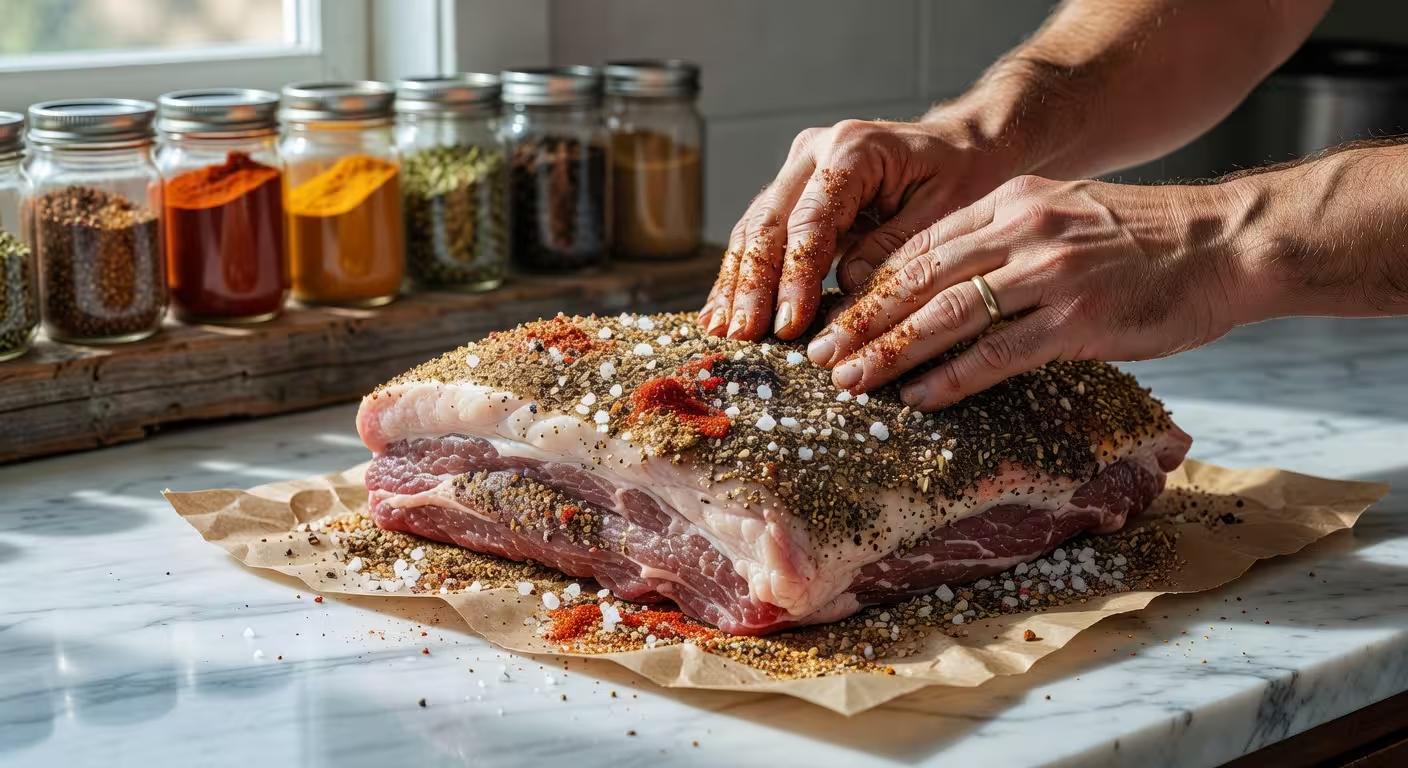
Rubs are the unsung heroes of BBQ, the foundation that builds flavor from the outside in. They’re that dry mix of spices and herbs you massage into the meat hours—or even a day—before grilling, letting the flavors penetrate deep into every fiber. From my experience, a good rub starts with balance: salt to enhance the natural flavors, sugar to caramelize and create that coveted bark, and spices to add complexity and intrigue.
For pork ribs, which grace many Southern tables throughout the warmer months, I swear by a blend of brown sugar, garlic powder, onion powder, smoked paprika, and just a touch of cayenne for warmth. It’s straightforward, yet it creates that sticky, flavorful crust we all crave. Variations I’ve heard about include adding finely ground coffee for an earthy depth, especially for brisket—a nod to those Texas traditions where low-and-slow is the only way to go.
That said, if you’re new to this, don’t overwhelm yourself with fifteen-ingredient recipes. Begin with a three-ingredient rub: coarse salt, freshly cracked black pepper, and paprika. Apply it generously, pressing it into the meat so it adheres, then let it sit in the fridge overnight if time allows. I’ve watched beginners transform their grilling game just by mastering this fundamental step, building confidence before branching out into more complex flavor profiles.
Look, not every rub needs to be fancy or expensive. Sometimes, picking up bulk spices and mixing your own saves both time and money, aligning perfectly with the thrifty values many of us hold dear. Store your custom blends in mason jars labeled with masking tape and a Sharpie—simple, functional, and they look lovely lined up in your pantry. Make extra batches when you have a few quiet minutes, and you’ll always be ready for an impromptu cookout.
What I’ve learned is that rubs aren’t one-size-fits-all. For chicken, go lighter with herbs like thyme, rosemary, and a squeeze of lemon zest, evoking that fresh herb garden aesthetic. For beef, lean into bolder flavors—cumin, coriander, and chili powder create a Southwestern flair that pairs beautifully with grilled corn and black bean salad. The beauty of rubs is their versatility and how they adapt to whatever protein you’re working with that week.
Sauce secrets that elevate your entire grill game
Now, here’s where it gets interesting. Sauces can make or break your BBQ, and homemade ones are an absolute game-changer. Forget the generic bottles from the store with their one-note flavors. Crafting your own lets you control the sweetness, the heat, the tang—tailoring it precisely to your family’s preferences and dietary needs.
Take a classic Kansas City-style sauce: thick, tomato-based, with molasses for that deep, rich sweetness that coats the back of a spoon. I simmer mine on the stove with finely diced onions, minced garlic, and sometimes a splash of bourbon if I’m feeling adventurous—though I keep it family-friendly, letting most of the alcohol cook off. Regional variations abound: Pacific Northwest cooks often use local wildflower honey instead of refined sugar, adding a delicate floral note that’s absolutely perfect for grilled salmon or summer vegetables.
I’ll be honest—my first attempts were a mess. Too vinegary, not enough body, or so sweet they overshadowed the meat entirely. But practice and adjustments turned them into staples for our Fourth of July feasts, where the sauce glistens on ribs as fireworks light up the evening sky. My children now expect “Mom’s sauce” at every cookout, and honestly, that makes all those early kitchen experiments worthwhile.
Between you and me, the key is patience. Let your sauce reduce slowly in your cast iron skillet or heavy-bottomed pot, stirring occasionally while you prep the sides or set the table. One story I heard involved a homemaker who batch-made sauce for her Memorial Day gathering, then froze the extras in half-pint jars for quick weeknight meals throughout June. Brilliant strategy—especially when you can pull out homemade sauce for Wednesday night chicken without any extra effort.
And here’s the part most people skip: tasting as you go. Keep a spoon nearby and adjust continuously. A bit more Dijon mustard for zing, a pinch of red chili flakes for heat, an extra spoonful of brown sugar if it’s too sharp. This iterative process is how you develop your signature sauce, the one your family will request by name and your friends will ask you to bring to every potluck.
Classic BBQ sauce base recipe
For those just starting out, here’s a reliable foundation: combine two cups of ketchup, half a cup of apple cider vinegar, half a cup of brown sugar, two tablespoons of Worcestershire sauce, one tablespoon of mustard, and spices to taste (garlic powder, onion powder, paprika, black pepper). Simmer for twenty minutes until thickened, then adjust to your family’s preferences. This base accepts endless variations—add hot sauce for heat, maple syrup for depth, or even homemade ketchup if you’re feeling particularly ambitious.
Essential grilling techniques for flawless results
Techniques are what separate adequate BBQ from the kind people remember and request. And they’re more accessible than you might think—it’s all about heat control, proper timing, and a little intuition you’ll develop with practice at the grill.
Start with understanding indirect heat for larger cuts—like a whole brisket or pork shoulder that needs hours to break down and tenderize. Set up your grill with coals or burners on one side, place the meat on the other, and close the lid to create an oven-like environment. This method, popular across Midwest BBQ traditions, mimics a smoker without requiring fancy equipment. I’ve used it for Easter hams, infusing them with hickory smoke that fills the yard with anticipation long before dinner is served.
Direct grilling, on the other hand, works wonders for quicker-cooking items like burgers, kebabs, or chicken breasts. High heat creates that beautiful sear and caramelization, then you can move proteins to a cooler zone to finish cooking through without burning the exterior. One tip that changed my grilling: oil your grates, not your meat. Use a paper towel dipped in vegetable oil, held with tongs, and wipe down the hot grates just before cooking. This prevents sticking far better than oiling the food itself.
I have to admit, incorporating wood chips for smoking adds that extra dimension of flavor that makes people ask, “What did you do differently?” Soak your chips for thirty minutes, then wrap them loosely in foil with holes poked in the top. Place directly on the coals or over a burner, and let that fragrant smoke work its magic. Applewood for pork, mesquite for beef, cherry for poultry—each adds its own subtle signature.
The most important tool in your arsenal? A reliable instant-read thermometer. According to the USDA safe temperature guidelines, chicken should reach 165°F, pork 145°F with a three-minute rest, and ground beef 160°F. No more guessing, no more cutting into meat to check, no more dry, overcooked proteins. This single investment will elevate every meal you grill.
The resting period matters more than you think
Here’s a technique many newcomers overlook: letting meat rest after grilling. When you pull that beautiful steak or those perfectly charred chicken thighs off the heat, resist the urge to cut immediately. Tent loosely with foil and let them sit for five to ten minutes. This allows the juices, which have been driven toward the center by heat, to redistribute throughout the meat. The result? Every bite is juicy and flavorful instead of dry around the edges with all the moisture pooling on your cutting board.
Bringing seasonal flavors into your BBQ rotation
One aspect of home BBQ I’ve grown to love is how it adapts to the seasons, connecting our meals to the rhythms of the year. Summer naturally brings corn on the cob, sliced tomatoes from the garden, and lighter proteins like chicken or fish. But don’t pack away your grill when the weather cools.
Fall opens up incredible possibilities. Add warming spices to your rubs—cinnamon, nutmeg, allspice—creating unexpected depth in pork tenderloin or lamb chops. Grill root vegetables like sweet potatoes and carrots until they’re caramelized and smoky. I’ve even grilled apple halves brushed with butter and cinnamon as a simple dessert that celebrates the harvest season.
Winter grilling requires a bit more commitment, but it’s absolutely worth it. There’s something magical about stepping out into crisp evening air, tending the grill while snow falls softly around you, then bringing platters of perfectly grilled steaks back to a warm kitchen. Heartier cuts work best—beef short ribs, bone-in chicken thighs, thick pork chops. Pair them with sides you’ve been fermenting through the winter, like sauerkraut or kimchi, for a meal that’s both comforting and vibrant.
Spring brings fresh herbs back into the picture. Make chimichurri with the first parsley and cilantro from your garden, drizzle it over grilled lamb, and serve alongside the season’s first asparagus. These connections to the natural cycle of growth and harvest make every meal feel more intentional, more connected to the land and the work of your hands.
Creating BBQ traditions that become family memories
At the end of the day, BBQ at home isn’t just about the food—though that certainly matters. It’s about the connections forged around the table, the traditions you’re building, the memories your children will carry forward. Those sauces carefully simmered, rubs thoughtfully applied, techniques patiently perfected—they all lead to tables laden with love, surrounded by the people who matter most.
Make it a weekly rhythm if you can. Friday night burgers. Sunday afternoon ribs. Whatever fits your family’s schedule and becomes something everyone anticipates. I’ve heard countless stories of families where Dad manning the grill while Mom preps the sides creates a beautiful partnership, each contributing their strengths to create something neither could accomplish alone. It’s the kind of teamwork that models healthy partnership and complementary roles for watching children.
One scenario that keeps coming up is the busy homemaker who preps rubs and sauces during a quiet morning, labels them clearly, and stores them for evening grilling with minimal fuss. This advance preparation transforms what could be a stressful dinner rush into a relaxed family time where everyone can contribute—kids bringing out plates, setting the table, shucking corn—while the parents work together at the grill.
Don’t forget the power of sides that complement without overwhelming. Simple coleslaw dressed with your homemade sauce. Potato salad made from scratch. Grilled vegetables that showcase the season’s best. These supporting players round out the meal and show that same care and attention to detail.
The warmth of a well-grilled meal, shared with people you love, lingers long after the plates are cleared and the grill has cooled. It becomes part of your family’s story—”Remember that Fourth of July when Mom’s ribs were so good?” or “Dad’s burgers on my birthday were the best.” These are the moments you’re creating, one meal at a time, and they’re worth every minute spent perfecting your craft. If you’re looking for more ways to connect with other women who share these values and are building similar traditions in their homes, I’d love to have you join our Communauté where we share tips, recipes, and encouragement.
Foire aux questions
What’s the easiest rub for beginners just learning to BBQ?
A simple three-ingredient rub of coarse salt, freshly cracked black pepper, and paprika is perfect for starters. It’s versatile enough for any meat, builds your confidence, and lets you focus on mastering heat control and timing before graduating to more complex flavor profiles.
How do I make a basic BBQ sauce completely from scratch?
Combine ketchup, brown sugar, apple cider vinegar, Worcestershire sauce, and your choice of spices in a pot. Simmer for twenty minutes until thickened, adjusting sweetness and heat to your family’s preferences. Store in mason jars in the fridge for up to two weeks, or freeze for longer storage.
What’s the best technique for adding smoke flavor without a dedicated smoker?
Use indirect grilling with soaked wood chips wrapped loosely in foil on your standard gas or charcoal grill. This creates authentic smoke flavor and yields tender, slowly cooked results without requiring expensive equipment—perfect for homemakers working within a budget.
Can I make BBQ sauces and rubs ahead of time?
Absolutely—sauces actually improve in flavor after a day in the fridge as the ingredients meld together, and both sauces and dry rubs freeze beautifully for months. Batch cooking during a quiet morning saves significant time later and means you’re always ready for an impromptu cookout or weeknight dinner.
How do I avoid dry, overcooked meat when grilling?
Apply your rub or marinade ahead of time, invest in a reliable instant-read thermometer to avoid overcooking, and always let meat rest for five to ten minutes after grilling. These three steps ensure juicy, flavorful results every single time you fire up the grill.
What’s a good rub for grilled vegetables?
A light blend of olive oil, herbs de Provence or Italian seasoning, and flaky sea salt works beautifully on grilled vegetables like zucchini, bell peppers, or corn. It adds fresh, herbaceous notes that complement without overpowering the natural sweetness that emerges when vegetables caramelize on the grill.
Recevez des conseils de bricolage exclusifs, des imprimables gratuits et de l'inspiration hebdomadaire directement dans votre boîte de réception. Pas de spam, juste de l'amour.