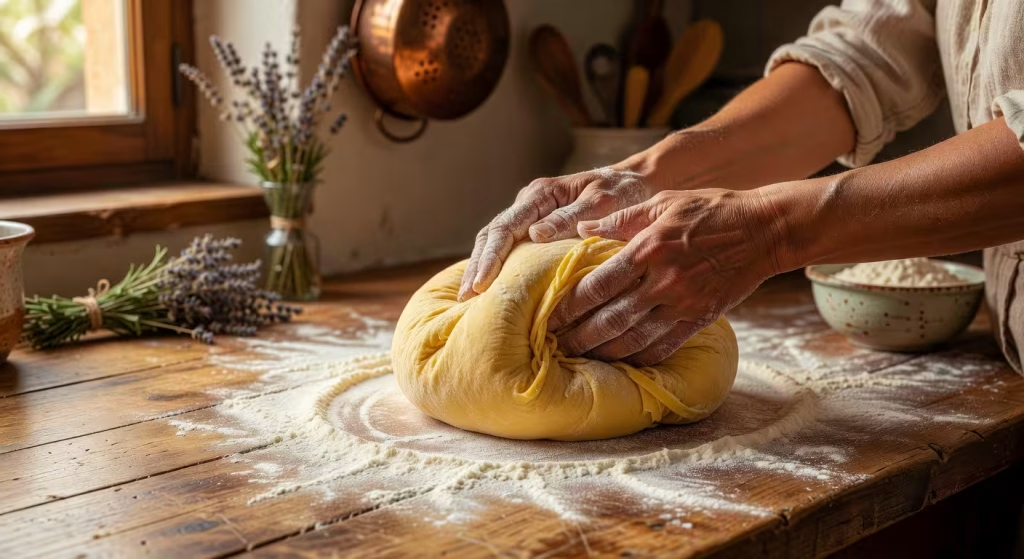
Hay algo casi sagrado en el ritual de hacer pasta casera desde cero. La sensación de harina entre tus dedos, el ritmo suave del amasado, la anticipación mientras hilos dorados se unen—es más que cocinar. Es un acto de amor que transforma ingredientes simples en algo que nutre tanto el cuerpo como el alma. Como alguien que ha pasado innumerables tardes de sábado metido en la masa, puedo decirte que hacer pasta fresca en casa requiere solo harina, huevos y aproximadamente 90 minutos de tu tiempo, pero las recompensas van mucho más allá de la cena.
Esta guía completa te guiará por cada paso del proceso de hacer pasta, desde la selección de tus ingredientes hasta la resolución de problemas comunes. Ya sea que te sientas atraído por este oficio como parte de abrazar el estilo de vida tradwife o simplemente quieras mejorar tus habilidades en las tareas del hogar, descubrirás que la pasta casera no solo es alcanzable, sino genuinamente agradable.
¿Por qué hacer pasta desde cero?
Antes de entrar en el cómo, hablemos del por qué. Hacer pasta desde cero te conecta con generaciones de mujeres que han alimentado a sus familias con sus propias manos. Es una habilidad que encarna la autosuficiencia y la intención—dos pilares fundamentales de las tareas domésticas tradicionales.
La pasta fresca tiene una textura tierna y delicada que las variedades secas simplemente no pueden igualar. El sabor es más limpio, más refinado, y absorbe las salsas maravillosamente. Más allá de los beneficios culinarios, hay algo profundamente satisfactorio en crear alimento a partir de sus elementos más básicos. Sin conservantes, sin ingredientes misteriosos—solo condimentos simples y saludables que puedas pronunciar.
Recuerdo la primera vez que mi marido probó mi fetuccini casera. Su expresión lo dijo todo—esto no era solo diferente de la pasta en caja, era transformador. Ese momento reforzó por qué había elegido invertir tiempo en organizar mi cocina convertir estos métodos de cocina tradicionales en parte de nuestro ritmo habitual.
Ingredientes esenciales para pasta casera
La belleza de la elaboración de pasta reside en su simplicidad. Solo necesitas tres ingredientes básicos: harina de uso general, huevos y sal. Eso es todo. Sin artículos especiales, sin importaciones costosas—aunque ciertamente puedes experimentar conforme ganas confianza.
Para la harina, la harina de uso general estándar funciona maravillosamente para principiantes. La proporción en la que he llegado después de años de pruebas es aproximadamente dos tazas de harina por tres huevos grandes para una tanda de tamaño familiar. Si quieres una textura más auténticamente italiana, mezcla un poco de harina de sémola—aproximadamente una parte de sémola por tres partes de harina de uso general crea ese característico toque crujiente.
Los huevos son donde la calidad realmente importa. Los huevos frescos de granja con yemas de un dorado profundo producen pasta con un color más rico y sabor superior. Intento conseguir los míos en una tienda de granja local, pero los huevos de buena calidad de supermercado funcionan perfectamente bien. Cuanto más frescos sean los huevos, más fácil será que tu masa se forme.
Algunas recetas incluyen aceite de oliva, y aunque no es estrictamente necesario, una cucharada puede hacer la masa ligeramente más fácil de trabajar. Típicamente lo añado cuando estoy enseñando a alguien nuevo o cuando la humedad de la cocina es particularmente baja.

Herramientas que necesitarás (y cuáles puedes saltar)
La elaboración de pasta no requiere una cocina llena de aparatos. De hecho, las abuelas italianas han estado enrollando pasta perfecta con nada más que un rodillo de madera durante siglos. Dicho esto, unas pocas herramientas hacen el proceso más suave, especialmente cuando acabas de empezar.
Herramientas esenciales:
Una superficie de trabajo grande y limpia es imprescindible—la madera o el mármol son opciones tradicionales, pero cualquier encimera limpia sirve. Necesitarás un tenedor para la mezcla inicial, una rasqueta de banco para ayudarte a reunir la masa, y un cuchillo afilado o cortador de pizza para cortar tus formas de pasta.
Opcional pero útil:
Una máquina de pasta es la mejora que lo cambió todo para mí. El laminado a mano produce resultados hermosos, pero una máquina de pasta manual te da un espesor consistente con mucho menos cansancio en los brazos. Los modelos básicos cuestan alrededor de cuarenta dólares y duran décadas. Si haces pasta más que ocasionalmente, vale la pena la inversión.
Un secador de pasta ayuda si estás haciendo pasta con anticipación, aunque a menudo simplemente cuelgo la mía sobre el respaldo de una silla limpia o la pongo sobre paños de té. Algunas mujeres en nuestro comunidad han sido creativas con secadores de ropa de madera reutilizados para pasta.
Paso a paso: Haciendo la masa de pasta perfecta
Ahora llegamos al corazón del asunto. Aquí es donde la harina se convierte en algo mágico, y donde desarrollarás una sensibilidad intuitiva para la masa. No te preocupes si tu primer intento no es perfecto—hacer pasta mejora dramáticamente con la práctica.
Creando el volcán de harina
Coloca tu harina directamente en tu superficie de trabajo. Usando los dedos, crea un pozo ancho en el centro—piénsalo como un cráter de volcán. Este pozo necesita ser lo suficientemente grande para sostener tus huevos sin que se derramen inmediatamente sobre los bordes. Las primeras veces, fui demasiado tímida con el tamaño de mi pozo y terminé persiguiendo huevo que se escapaba por la encimera. Hazlo más grande de lo que crees necesario.
Incorporando los huevos
Cáscara los huevos en el pozo y añade una generosa pizca de sal. Con un tenedor, bate los huevos suavemente, luego comienza a incorporar la harina de las paredes interiores de tu pozo. Trabaja lentamente y deliberadamente—esto no es una carrera. Incorpora gradualmente más harina, moviéndote en pequeños círculos, hasta que la mezcla sea demasiado espesa para remover con un tenedor.
Esta fase requiere paciencia. Si te apresuras y rompes la pared de harina, tendrás huevo esparcido por todas partes. Pregúntame cómo lo sé. La clave está en mantener esa barrera mientras integras lentamente la harina.

El proceso de amasado
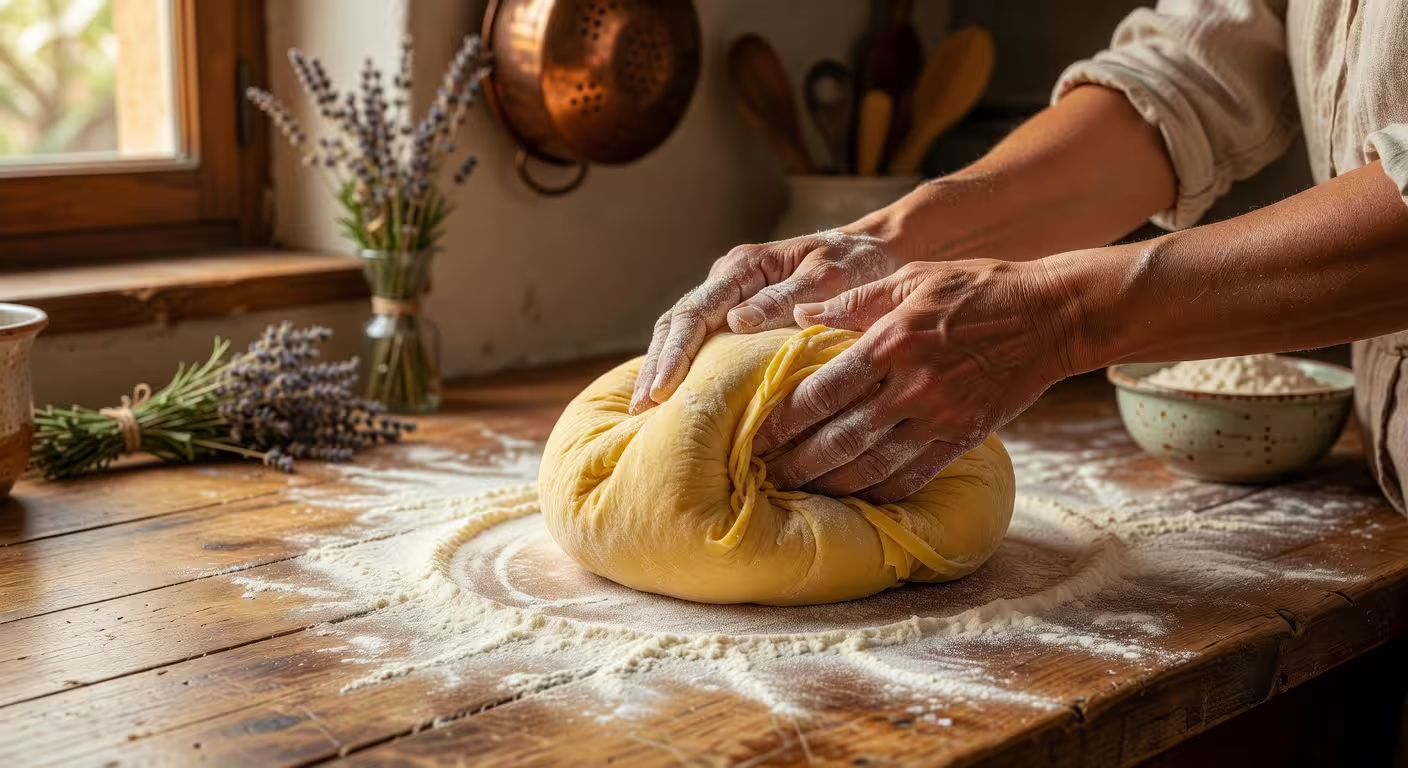
Una vez que la mezcla es demasiado espesa para el tenedor, es hora de que intervengan tus manos. Junta la masa desigual y comienza a amasar. El amasado adecuado requiere alrededor de diez minutos de trabajo consistente—empuja la masa con el talón de tu mano, dóblala sobre sí misma, gírala un cuarto de vuelta, y repite.
Este es un trabajo meditativo. A menudo utilizo este tiempo para rezar o simplemente despejar mi mente. La masa se transformará de áspera e irregular a suave y sedosa. Sentirás que se vuelve más elástica y flexible. Cuando presiones un dedo en ella, la masa debe recuperar su forma ligeramente.
Si tu masa se siente demasiado seca y no se junta, humedece ligeramente tus manos y continúa amasando. Si es pegajosa, espolvorea con más harina. La textura ideal es suave, flexible y apenas un poco pegajosa—similar a la piel de un bebé, como solía decir mi abuela.
El período de reposo crucial
Envuelve tu bola de masa con firmeza en film transparente y déjala reposar a temperatura ambiente durante al menos treinta minutos. Una hora es incluso mejor. Este reposo permite que el gluten se relaje, haciendo que la masa sea mucho más fácil de estirar. Aprendí esta lección de la manera difícil cuando omití este paso una vez porque tenía prisa—la masa me opuso resistencia a cada paso y la pasta final fue decepcionantemente dura.
Utiliza este tiempo de descanso sabiamente. Prepara tu salsa, ordena tu espacio de trabajo o empieza a poner la mesa. Esta pausa natural en el proceso encaja perfectamente en un día bien planificado, como los ritmos intencionales que comentamos en nuestra guía sobre principios tradwife.
Estirar y dar forma a tu pasta
Después de que tu masa haya reposado, es hora de transformarla en pasta de verdad. Aquí es donde ocurre la magia, donde esa bola suave se convierte en láminas delicadas o cintas rústicas.
Usando una máquina de pasta
Si estás utilizando una máquina de pasta manual, divide tu masa en cuatro piezas y mantén las porciones con las que no estés trabajando cubiertas. Aplana un trozo en un rectángulo aproximado y espolvorea ambos lados ligeramente con harina.
Ajusta tu máquina a la configuración más ancha, generalmente marcada como número uno. Pasa la masa a través, luego dóblala en tercios como una carta. Pásala de nuevo. Repite este proceso de doblado y estirado tres o cuatro veces. Este paso, llamado laminado, crea la estructura que le da a tu pasta esa textura perfecta.
Ahora comienza a reducir el grosor. Mueve el dial una configuración a la vez, pasando la masa a través de cada configuración dos veces. Cuán fina hagas depende de lo que estés preparando. Para fetuccini o tagliatelle, normalmente me detengo en la configuración seis o siete. Para ravioli delicados o lasaña, podrías llegar hasta la ocho o nueve, donde la masa se vuelve casi translúcida.

Estirar la pasta a mano
¿Sin máquina? Sin problema. Nuestras bisabuelas se las arreglaban perfectamente con un rodillo, y tú también puedes hacerlo. Solo requiere más fuerza de brazos y paciencia.
Trabaja con un cuarto de la masa a la vez. En una superficie ligeramente enharinada, utiliza un rodillo largo para estirar desde el centro hacia afuera, rotando la masa frecuentemente para mantener un grosor uniforme. Tu objetivo es una lámina lo suficientemente fina como para poder ver tu mano a través de ella cuando la sostengas frente a la luz.
Este método desarrolla la fuerza de los brazos y te conecta con siglos de tradición. Hay algo hermosamente reconfortante en usar estas técnicas simples y probadas en el tiempo. Para más formas de incorporar métodos tradicionales en la vida moderna del hogar, podrías disfrutar de nuestra colección de recetas de fermentación que honren de manera similar la preparación de alimentos lenta e intencional.
Corte y moldeado
Para pasta cintas como fettuccine o tagliatelle, espolvorea ligeramente tu lámina de pasta con harina, luego enrollala sin apretar como un saco de dormir. Usando un cuchillo afilado, corta transversalmente en cintas—aproximadamente un cuarto de pulgada de ancho para fettuccine, un poco más estrecho para tagliatelle. Desenrolla las cintas inmediatamente y mézclalas suavemente para separarlas.
Si tu máquina tiene un accesorio de corte, pasa tus láminas a través de él para obtener fideos perfectamente uniformes. A menudo hago la mitad a mano y la mitad con la cortadora—la ligera irregularidad de la pasta cortada a mano tiene su propio encanto rústico.
Para formas como ravioles o tortellini, mantén las láminas planas y trabaja rápidamente antes de que se sequen. Los cuadrados o círculos simples funcionan maravillosamente para principiantes. No intentes formas complicadas en tu primer intento—domina los conceptos básicos primero, luego experimenta.
Cocinar pasta fresca a la perfección
La pasta fresca se cocina de manera completamente diferente a la seca, y esto sorprende a muchos principiantes. La pasta fresca se cocina en solo 2-4 minutos, en comparación con los 8-12 minutos necesarios para la pasta seca. Parpadea y te lo perderás.
Lleva una olla grande de agua a un hervor vigoroso. Sálala generosamente—el agua debe saber como el mar. Esta es tu única oportunidad de sazonar la pasta en sí, así que no seas tímido. Yo uso aproximadamente una cucharada de sal por galón de agua.
Añade tu pasta y remueve inmediatamente para evitar que se pegue. Ajusta un temporizador a dos minutos y prueba una hebra. Lo que buscas es al dente—tierna pero con una ligera resistencia cuando muerdes. La pasta fresca pasa de perfecta a pasada en segundos, así que mantente atento.
Antes de escurrir, reserva una taza del agua de cocción almidonada. Este líquido dorado ayuda a que la salsa se adhiera a la pasta y ajusta la consistencia. No puedo enfatizar lo suficiente cuántas veces el agua de pasta ha salvado un plato que parecía demasiado seco.
Sugerencias de emparejamiento de salsas y presentación
La pasta fresca merece una salsa que honre su naturaleza delicada. Las salsas pesadas y espesas pueden abrumarla. He descubierto que las preparaciones más simples funcionan mejor—permiten que el sabor y la textura de la pasta brillen.
Una salsa clásica de mantequilla y salvia es criminalmente simple pero elegante. Derrite la mantequilla en una sartén hasta que comience a dorarse ligeramente, añade hojas de salvia fresca, incorpora tu pasta con un chorrito de agua de cocción, y termina con Parmesano rallado. La salsa completa tarda menos tiempo que cocinar la pasta.
Las salsas de tomate ligeras funcionan hermosamente—piensa en tomates cherry frescos apenas cocidos con ajo y albahaca, en lugar de marinara cocinada a fuego lento durante horas. Las salsas a base de crema deben ser delicadas, enriquecidas con agua de pasta en lugar de ser demasiado espesas.
Para un enfoque verdaderamente minimalista, prueba aglio e olio—solo aceite de oliva, ajo, copos de pimienta roja y perejil. Es la cena entre semana a la que recurro una y otra vez cuando quiero algo satisfactorio pero no tengo mucho tiempo. Puedes encontrar más ideas de comidas simplificadas en nuestra guía sobre condimentos y salsas caseros que combinan maravillosamente con pasta fresca.
Sirve al estilo familiar en una bandeja grande. Que todos se sirvan, pasando boles de queso rallado y pimienta roja machacada. Este enfoque comunitario de la alimentación fomenta la conexión y la gratitud—valores en el corazón de la vida doméstica tradicional.
Solución de problemas comunes de la pasta
Incluso los fabricantes de pasta experimentados encuentran problemas. Aquí te mostramos cómo resolver los problemas más comunes que enfrentarás.
Masa demasiado seca y desmenuzable: Esto ocurre más a menudo en invierno cuando la humedad interior es baja. Humedece tus manos e incorpora la humedad gradualmente, o la próxima vez añade un poco más de huevo o una cucharada de agua a tu mezcla inicial.
Masa demasiado pegajosa: Espolvorea tu superficie de trabajo y la masa con más harina. Algunos días la masa simplemente necesita más harina que otros—los huevos varían de tamaño, la humedad fluctúa. Confía más en tus manos que en medidas estrictas.
La pasta se pega entre sí: Asegúrate de espolvorear adecuadamente con harina mientras cortas. Si dejas secar la pasta, asegúrate de que los fideos no se toquen entre sí. Aprendí a colgar la pasta larga sobre una escoba equilibrada entre dos sillas cuando preparaba grandes cantidades.
Textura dura y masticable: O no amasaste lo suficiente inicialmente o saltaste el período de reposo. Ambos pasos son esenciales para desarrollar la estructura correcta del gluten. No hay atajos aquí.
La pasta se desmorona al cocinar: Es posible que tu masa haya estado demasiado seca, o la hayas extendido demasiado fina para la forma que estabas haciendo. Las láminas delicadas funcionan bien para la pasta rellena, pero las cintas necesitan un poco más de sustancia.
Almacenamiento y conservación de pasta casera
La pasta fresca no se conserva tanto tiempo como la seca, pero tienes varias opciones para prepararla con antelación.
Uso el mismo día: La pasta recién hecha puede estar a temperatura ambiente durante unas pocas horas si la vas a cocinar esa noche. Solo espolvoréala bien con harina y colócala en nidos sueltos sobre una bandeja forrada con papel de hornear.
Refrigeración: Coloca tu pasta en un recipiente hermético con abundante harina para evitar que se pegue. Se conservará hasta dos días. La textura puede ser ligeramente menos tierna que la pasta del mismo día, pero sigue siendo muy superior a la seca.
Congelación: Este es mi método favorito para cocinar en lotes. Coloca la pasta en una sola capa sobre una bandeja de horno y congela hasta que esté sólida, luego transfiere a bolsas de congelador. La pasta congelada se cocina directamente desde el congelador, sin necesidad de descongelar. Solo añade un minuto extra al tiempo de cocción.
Secado completo: Si deseas crear tu propia pasta seca casera, cuelga los fideos hasta que estén completamente frágiles y libres de humedad, lo que puede tomar 12-24 horas dependiendo de la humedad. Almacena en recipientes herméticamente cerrados. La pasta seca casera no durará tanto como las versiones comerciales, así que úsala dentro de un mes.
Variaciones y experimentos de sabor
Una vez que hayas dominado la pasta básica, las variaciones se vuelven infinitamente divertidas. He experimentado con todo, desde hierbas hasta purés de verduras, y cada una tiene su propio carácter.
Pasta con hierbas: Amasa hierbas frescas finamente picadas directamente en tu masa. Albahaca, perejil o cebollino funcionan maravillosamente. Usa aproximadamente dos cucharadas de hierbas por lote.
Pasta de espinaca o remolacha: Haz puré de espinaca cocida o remolachas asadas y reduce el líquido a la mitad en la estufa. Usa aproximadamente una cuarta taza de puré y reduce tus huevos en uno. El color es espectacular y añade sabor y nutrientes sutiles.
Pasta integral: Sustituye la mitad de la harina de trigo por harina integral. Necesitarás un poco más de humedad, y la textura será más sustanciosa. Combina maravillosamente con salsas robustas.
Pasta de tinta de calamar: Para una presentación dramática, añade una cucharadita de tinta de calamar a tus huevos. Esto crea una pasta negro azabache que es espectacular con salsas blancas simples.
La clave con todas las variaciones es ajustar el contenido de humedad según sea necesario. Los diferentes ingredientes afectan cuánta harina requiere la masa, así que confía en tu criterio y en la consistencia de la masa más que en las medidas exactas.
Convertir la elaboración de pasta en una tradición familiar
Uno de los mayores placeres de dominar esta habilidad es transmitirla. La elaboración de pasta es maravillosamente adecuada para involucrar a los niños—la experiencia sensorial, la transformación visible, la recompensa inmediata.
Incluso los niños pequeños pueden ayudar a romper huevos o esparcir harina en la encimera. Los niños mayores pueden aprender a amasar y operar la máquina de pasta bajo supervisión. Mi sobrina, con siete años, ahora puede estirar y cortar pasta con ayuda mínima. El orgullo en su cara cuando sirve pasta que ella misma hizo es invaluable.
Estos momentos se convierten en recuerdos. Años a partir de ahora, tus hijos recordarán las tardes de sábado haciendo pasta juntos, harina por todas partes, riendo por los ravioli de formas extrañas. Llevarán estas habilidades a sus propios hogares, creando un hilo ininterrumpido de tradición y competencia.
Esta es la herencia en acción—no solo recetas transmitidas, sino valores, tiempo juntos, y la confianza que viene de crear algo real con tus propias manos. Es parte de lo que hace que el cuidado del hogar no sea solo trabajo, sino una vocación que merece la pena celebrar.
Si buscas profundizar tu conexión con las formas de alimentación tradicionales y conectar con otras personas en el mismo camino, me encantaría que te unieras a nuestro boletín informativo donde compartimos recetas de temporada, consejos sobre hogar y ánimo para vivir con intención. También hay un maravilloso grupo de mujeres compartiendo sus éxitos y experimentos con pasta en nuestro foro de la comunidad—es el apoyo e inspiración que hubiera deseado tener cuando estaba empezando.
Preguntas frecuentes
¿Cuál es la mejor harina para hacer pasta desde cero?
La harina de trigo normal funciona perfectamente para principiantes y produce pasta tierna y deliciosa. Para una textura más auténticamente italiana con un poco más de masticabilidad, prueba a mezclar tres partes de harina de trigo normal con una parte de harina de sémola. Evita la harina de pan, que tiene demasiada proteína y hará que tu pasta sea dura.
¿Puedo hacer pasta sin huevos por restricciones dietéticas?
Sí, puedes crear pasta sin huevo usando solo harina y agua, aunque la textura será ligeramente diferente—más densa y menos rica. Usa aproximadamente una taza de agua por dos tazas y media de harina, añadiéndola gradualmente hasta que la masa se cohesione. Amasa más tiempo del que lo harías con pasta de huevo para desarrollar suficiente gluten.
¿Cómo evito que la pasta casera se pegue?
Espolvorea generosamente tu pasta con harina inmediatamente después de cortarla y remueve los fideos para separarlos. Si la almacenas antes de cocinarla, colócalos en nidos sueltos o cuelga los fideos sobre una barra dejando espacio entre ellos. Al cocinar, usa abundante agua hirviendo y remueve justo después de añadir la pasta a la olla.
¿Es realmente necesaria una máquina de pasta o puedo usar un rodillo?
Un rodillo funciona perfectamente bien, especialmente para estilos de pasta rústica. Generaciones de cocineros italianos hicieron pasta hermosa sin nada más que un rodillo de madera. Una máquina simplemente acelera el proceso y logra un grosor más consistente, lo cual es útil pero no esencial. Comienza con lo que tengas y actualiza si te das cuenta de que haces pasta regularmente.
¿Cuánto tiempo puedo almacenar pasta casera antes de cocinarla?
La pasta fresca se conserva en el refrigerador hasta dos días en un recipiente hermético espolvoreado con harina. Para un almacenamiento más prolongado, congélala en una sola capa sobre una bandeja de horno hasta que esté sólida, luego transfiere a bolsas de congelador—se mantendrá hasta tres meses. También puedes secarla completamente y almacenarla como la pasta comercial, aunque no durará tanto tiempo.
¿Por qué mi pasta quedó dura en lugar de tierna?
La pasta dura normalmente resulta de un amasado insuficiente o de saltarse el período de reposo. La masa necesita aproximadamente diez minutos de amasado para desarrollar la estructura adecuada del gluten, seguida de al menos treinta minutos de reposo para relajarse. El exceso de cocción también puede crear una textura dura, así que vigila tu pasta fresca cuidadosamente—se cocina en solo 2-4 minutos.
Lecturas adicionales: Para más contexto, consulta Historia y tipos de pasta en Wikipedia para obtener información de trasfondo sobre la historia de la pasta.