The scent of a slow-roasted beef fills the kitchen on a crisp Sunday afternoon. Your kids are laughing as they help set the table with those thrifted pottery plates you found last month. The week ahead feels lighter already. This is the magic of Comfort Food Sundays—a tradition that anchors your family through busy seasons and brings everyone back to what matters most.
I’ve been sharing homemaking traditions with women across the country for years, and nothing sparks more conversation than Sunday suppers. Women from Texas to Maine are reclaiming their weekends, trading rushed weeknight dinners for slow-cooked meals that tell a story. One grandmother’s chili recipe can transform chaos into ritual. It’s never just about the food—it’s about the intention stirred into every pot.
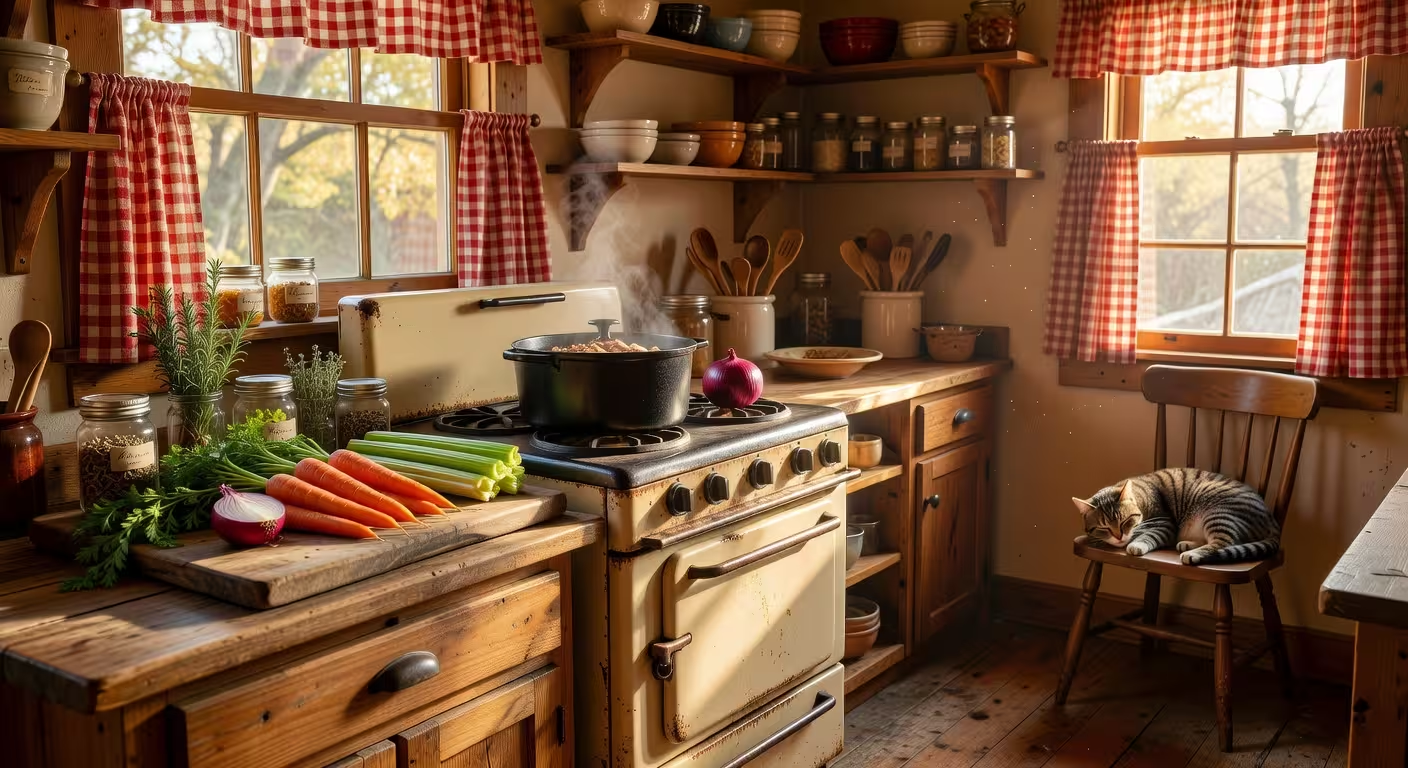
Why Sunday suppers anchor a traditional home
In the rush of school runs, activities, and work weeks that blur together, Sundays offer a collective exhale. They’re the pause button before Monday starts the cycle again. For me, establishing this rhythm was as intentional as choosing the daily habits that define our lifestyle. These meals remind us why we chose this path—to nurture our families with purpose rather than just get through the week.
Nobody warns you how these meals quietly build your family’s foundation. A mom in coastal Washington shared how her Sunday clam chowder connects her landlocked kids to their maritime heritage. Another woman in the Midwest uses her grandmother’s pierogi recipe to keep Polish traditions alive. You’re not just feeding bodies—you’re passing down belonging.
The imperfect Sundays matter too. The dough that won’t rise, the sauce that scorches while you’re helping with homework—these become part of your family’s story. What transforms a nice meal into a tradition isn’t perfection; it’s showing up week after week, creating a rhythm your family can count on when everything else feels uncertain.
Building your Sunday kitchen routine from scratch
Start with your morning coffee, before anyone else wakes. This quiet moment is when I plan the menu, letting the season guide my choices. October means apple crisp with fruit from the orchard visit. January calls for beef stew with root vegetables from the winter market. Working with seasonal ingredients connects your cooking to where you live—it makes the meal feel rooted rather than generic.

Here’s what changed everything for me: involving everyone early. My youngest loves running the stand mixer for bread dough. My oldest has claimed vegetable chopping as her domain. A woman in our community struggled with solo Sunday cooking until she invited her husband to prep alongside her. Suddenly it became their time together, strengthening their partnership in ways that extended beyond the kitchen. This mirrors what we discuss in our guide to traditional marriage roles—shared purpose creates connection.
The secret nobody mentions: flexibility saves your sanity. When a recipe fails, pivot to something simple. Keep quality shortcuts on hand—good sourdough from your local bakery, aged cheese from Costco, homemade chicken stock you froze last month. Even women who prioritize traditional cooking need backup plans.
Set your table with the same care you give the cooking. Fresh herbs from your windowsill in a jar. Those vintage linens you found at the estate sale. Mismatched plates that tell their own story. Whether your style leans cottagecore with wildflowers or farmhouse with cast iron, let your table reflect your family’s aesthetic. It signals that this meal matters—everyone gathered here matters.
Foolproof recipes that deliver comfort every time
Let’s talk about the meals that actually work. These recipes come from years of Sunday cooking, adjusted and perfected through trial and plenty of error. They’re not complicated—they’re the kind of food that makes your family linger at the table long after the plates are empty.

Classic pot roast that falls apart on the fork
Start with a 3-pound chuck roast, seared golden in a heavy Dutch oven. This step matters—those browned bits on the bottom become your sauce. Add quartered onions, thick-cut carrots, and halved potatoes. Pour in enough beef broth to come halfway up the meat, then add a splash of red wine if you keep it in the house. Tuck in fresh rosemary and thyme. Cover and slide it into a 300°F oven for three hours.
My Midwest twist: stir in frozen sweet corn during the last 30 minutes. It adds unexpected sweetness that balances the rich beef. One woman told me this recipe saved her sanity during a rough autumn—her kids ate it without complaint, and the leftovers made Monday’s lunch easy. Serves six with enough for sandwiches the next day.
Homemade macaroni and cheese that beats any box
Boil a pound of elbow macaroni until just tender. While it cooks, make your cheese sauce: melt 4 tablespoons of butter, whisk in 4 tablespoons of flour until it smells toasty, then slowly add 3 cups of whole milk, whisking constantly. Once it thickens, stir in 3 cups of sharp cheddar—the good stuff from your local dairy makes a difference you can taste.
Mix the sauce with the drained pasta, pour into a buttered baking dish, and top with more cheese and breadcrumbs. Bake at 350°F until golden and bubbling, about 30 minutes. Regional variations work beautifully here—add crumbled bacon for Southern richness, or stir in roasted broccoli for something the Pacific Northwest crowd appreciates. You can learn more about adapting traditional recipes in our guide to making staples from scratch.

Apple crisp that tastes like autumn
Slice 6 cups of apples—mix tart and sweet varieties for depth. Toss them with cinnamon, a squeeze of lemon, and just enough sugar to enhance their natural sweetness. Spread in a cast iron skillet or baking dish. For the topping, combine oats, flour, brown sugar, and cold butter, working it with your fingers until it resembles coarse sand. Scatter over the apples and bake at 375°F until the fruit bubbles and the top turns golden, about 45 minutes.
This dessert works year-round with different fruits—summer peaches, winter pears. It’s simple enough that you won’t stress over it, but special enough that everyone remembers it. Serve warm with vanilla ice cream or fresh whipped cream.
Solving common Sunday cooking challenges
Every woman faces obstacles when starting this tradition. Picky eaters rank high on the frustration list. One approach that works: involve resistant eaters in choosing the menu. When kids help select the recipe or prep ingredients, they’re more invested in eating it. Start with familiar flavors and gradually introduce new ones—don’t overhaul everything at once.
Time constraints challenge women transitioning from careers to full-time homemaking. A corporate attorney turned tradwife shared how overwhelmed she felt until she started batch-prepping Saturday afternoons. Chopping vegetables, measuring spices, even browning meat ahead transformed Sunday from stressful to enjoyable. If you’re navigating this shift, our overview of the tradwife movement offers perspective on the adjustment period.

Budget concerns come up frequently. Quality ingredients matter, but strategic shopping makes them accessible. Buy proteins on sale and freeze them. Stock up on pantry staples during bulk store runs. Visit farmers markets near closing time for deals on produce. According to the Departamento de Agricultura de los Estados Unidos, planning meals around seasonal ingredients significantly reduces grocery costs while improving nutritional value.
The learning curve feels steep at first. Your first pot roast might turn out tough. The bread might not rise. Laugh about it, order pizza, and try again next week. Every woman who cooks confidently now started with burned dinners and kitchen disasters. The difference between giving up and developing skill is simply continuing to show up.
Making it work for your specific family
Dietary restrictions don’t have to derail tradition. Swap regular pasta for gluten-free versions in the mac and cheese—the sauce is what matters most anyway. Use plant-based milk for dairy-free cooking. Many women in our community have perfected allergy-friendly versions of classic recipes, proving you can honor restrictions while keeping the comfort.
Small families need this tradition too. A young wife without children yet makes scaled-down versions for date nights with her husband. A widow cooks full recipes and shares portions with elderly neighbors. The tradition adapts to your circumstances—it’s about intentionality, not family size.
Incorporate your family’s heritage through these meals. Polish pierogi, Italian Sunday gravy, Southern fried chicken, New England boiled dinner—whatever connects you to your roots. These recipes carry stories that frozen meals and takeout never will. They teach your children where they come from, giving them identity in a culture that often feels rootless. For more ideas on preserving traditions, explore our guide to holiday cooking.
Young children in the kitchen create mess and slow you down—and they’re absolutely worth including. Assign tasks they can manage: stirring batter, tearing lettuce, setting napkins at each place. They’re learning skills they’ll carry forever while building positive associations with family meals. One mother mentioned how her now-teenage daughter still talks about the Sunday cooking lessons they shared when she was small.
The real reward comes in unexpected moments. Your teenager voluntarily putting away their phone during dinner. Your husband reaching for seconds without prompting. Your youngest asking if you can have “the good chicken” again next week. These small confirmations remind you why you’re doing this—because in a world that pulls families apart, you’re choosing something that brings yours together.
If you’re just starting with Comfort Food Sundays, remember that traditions take time to establish. Give yourself grace through the messy beginnings. Share your wins and challenges with other homemakers in the Comunidad del Club Tradwife, where women support each other through every season of this lifestyle. And when you discover a recipe your family loves, write it down—someday your daughter might ask for it when she’s building her own Sunday tradition.
Preguntas frecuentes
How do I get picky eaters excited about Sunday dinners?
Involve them in planning and preparation rather than presenting finished meals. Let them choose between two options, help with simple tasks like washing vegetables, or pick the side dish. When children feel ownership over the meal, they’re more likely to try new foods without power struggles.
What if I’m not confident cooking larger meals yet?
Start with one signature dish you can master, then gradually expand your repertoire. A simple roast chicken with vegetables serves a family well and builds your confidence. Join our newsletter for beginner-friendly recipes with detailed instructions that set you up for success rather than overwhelm.
Can Sunday dinners work with a tight grocery budget?
Absolutely—focus on inexpensive proteins like whole chickens or pork shoulder, stretch meals with beans and grains, and shop seasonal produce. A slow cooker or Dutch oven turns cheaper cuts into tender, flavorful dinners. Many comfort foods were originally created by homemakers working with limited resources.
How do I manage Sunday cooking with church attendance?
Use slow cooker recipes that cook during service, prep ingredients Saturday evening, or plan cold meals like summer salads. Many families do an early Sunday dinner before evening church or push the big meal to after-church gatherings. The tradition adapts to your family’s spiritual rhythms.
Should I use disposable dishes for easier cleanup?
Real dishes signal that this meal matters and teach children to value both the food and family time. Cleanup becomes easier when everyone helps—even young children can carry their plates to the sink. The ritual of clearing the table together extends the bonding beyond just eating.
Where can I find more traditional recipes to try?
Explore our community forums where women share family recipes, check our curated list of tradwife influencers for daily inspiration, or browse the cookbook recommendations in our reading guide. Regional cookbooks from your area’s heritage often contain the most meaningful comfort foods for your specific family background.