It’s a crisp autumn morning, and I’m sitting at my kitchen table with a steaming mug of coffee, watching my children play in the backyard. After eight years of embracing the tradwife lifestyle, I’ve learned that the heart of our homes isn’t just in the meals we prepare or the linens we fold—it’s in the quiet, everyday lessons we teach our children about right and wrong. Teaching moral values and ethics at home isn’t some lofty ideal reserved for Sunday school; it’s the thread that weaves our families together, especially in a world that pulls our children in so many directions. From leading by example in the kitchen to creating meaningful traditions around the dinner table, these principles become the foundation our children carry into adulthood.
If you’re wondering how to instill core principles without turning every moment into a lecture, you’re in the right place. The good news? It starts with the rhythms you’re already creating. Whether you’re new to the tradwife path or years into this journey, the approach is the same: model values through your daily choices, create moments for natural conversation, and build traditions that make ethics feel like home. Let’s explore practical ways to weave moral teaching into the fabric of your household, starting exactly where you are.
Why moral values start in the kitchen and living room
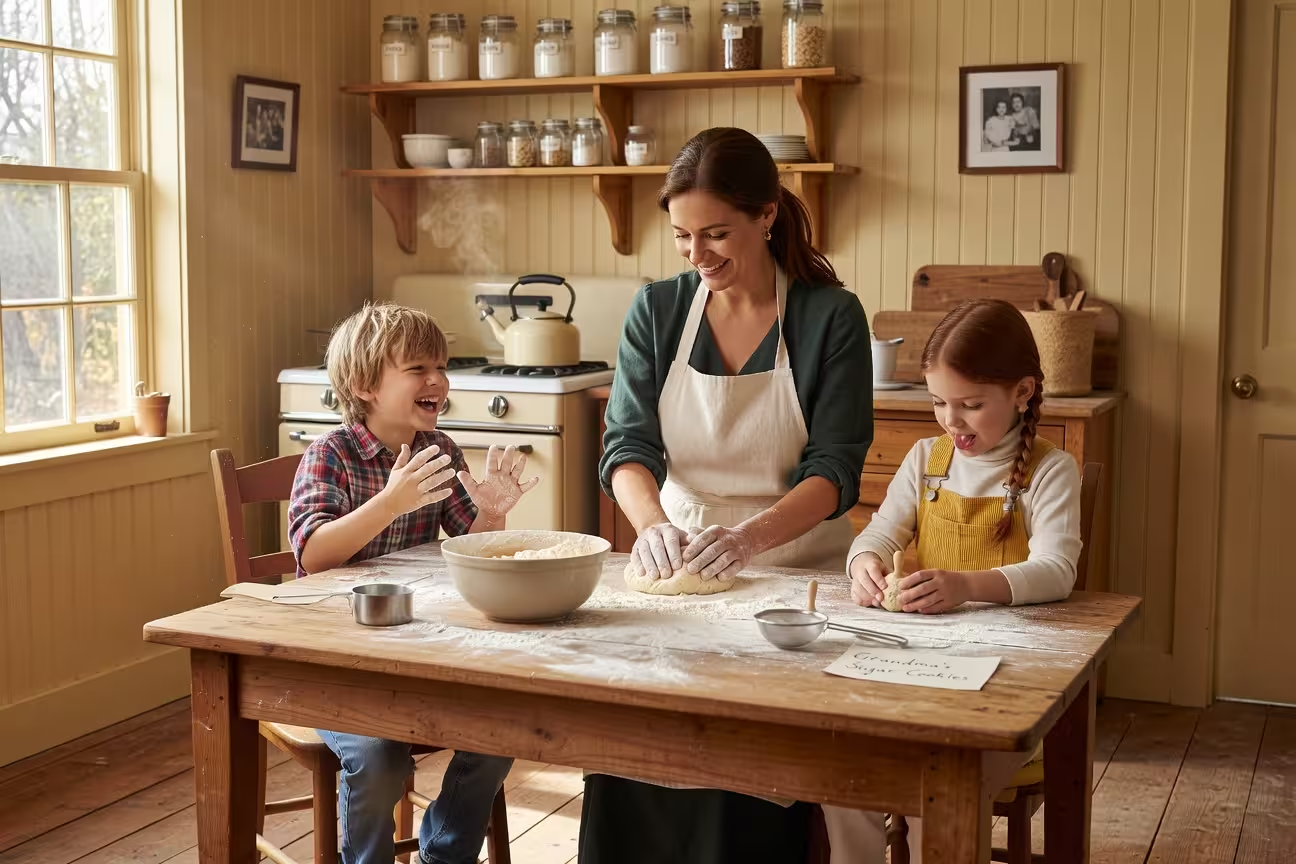
The kitchen isn’t just where I bake apple pies during fall harvest season—it’s where life lessons simmer alongside the stew in my Dutch oven. Those long evenings preparing dinner, often with a recipe passed down through generations, naturally turn into conversations about sharing, fairness, and gratitude. When my daughter helps me knead bread dough, we talk about patience. When my son sets the table, we discuss serving others. These aren’t formal lessons; they’re woven into the texture of our day.
I recently read a thread from a mom in the Pacific Northwest who was frustrated with her children being glued to screens, missing out on these ethical discussions entirely. She turned it around by involving them in meal prep, transforming dinner preparation into a daily lesson on gratitude and teamwork. The shift wasn’t complicated—she simply invited them into the process and let the conversations unfold organically.
Ethics aren’t abstract concepts we teach from textbooks. They’re baked into our daily routines. When we choose to shop at local farmers markets instead of defaulting to big chains, we’re modeling stewardship of the earth and supporting our community. When we repair something instead of immediately replacing it, we demonstrate resourcefulness and respect for what we have. Our children absorb these choices far more deeply than any lecture could achieve.
It’s not always perfect, of course. There are days when the Instant Pot is bubbling over, tempers flare, and I lose my patience over spilled milk. But those moments? They’re gold for teaching forgiveness, humility, and how to apologize sincerely. Our imperfections become the curriculum.

Leading by example: the silent teacher in your home
The most powerful lessons don’t come from our words—they come from watching us live our values day in and day out. As tradwives, we embody this in countless small choices: how we speak to our husbands, how we handle disappointment, how we treat the checkout clerk at the grocery store. I’ll never forget the moment I caught my daughter imitating how I handled a disagreement with my husband. She was playing house with her dolls, and I heard her say, “Let’s talk about this calmly.” It hit me like a thunderbolt: our actions are the blueprint our children follow.
A Southern homemaker recently shared a story that went viral in our circles: her commitment to honesty in small things—like returning extra change at the grocery store or admitting when she made a mistake—shaped her children’s integrity more than any formal character lesson ever could. Her teenage son once walked back into a store to pay for a candy bar he’d forgotten about. When she asked him why, he simply said, “Because that’s what you would do.”
Here’s what nobody tells you: admitting your mistakes might be the most important lesson you teach. I once overreacted during a busy spring cleaning session, snapping at my children over something minor. Later that evening, I apologized to each of them individually, explaining that I was wrong and asking their forgiveness. That moment of vulnerability taught them more about humility and accountability than any storybook could. According to research from the American Psychological Association, children whose parents model self-correction develop stronger moral reasoning skills.
Consistency matters more than perfection. Weave values like kindness, honesty, and diligence into everyday tasks. When you’re organizing your kitchen, talk about stewardship. When you’re folding laundry, discuss the dignity of work. These ordinary moments become extraordinary teachers.
Storytelling and family traditions that build ethical foundations
Stories have a way of embedding morals deeper than any direct instruction ever could. In our home, we gather around the dinner table on cool evenings, sharing tales from classic American literature, Bible stories, or even accounts from our own family history. These narratives carry lessons about perseverance, truth, courage, and compassion in ways that stick because they’re wrapped in emotion and imagination.
One woman in our community described how Fourth of July picnics became opportunities to discuss freedom, sacrifice, and civic responsibility. She’d share age-appropriate stories about the founding of our country, then connect them to present-day choices: “Those people gave up comfort for principle. How can we do that in our own lives?” Her children began seeing holidays not just as days off, but as reminders of values worth preserving.

Starting this with young children might feel daunting, but it doesn’t require elaborate preparation. Begin with short, engaging stories during bedtime routines. Recount a day at the county fair, but emphasize the moment when your child shared their cotton candy with a sibling. Read books that naturally highlight virtues—classics like The Little Engine That Could for perseverance, or Charlotte’s Web for loyalty and selflessness. If you’re looking for more resources, explore our curated list of books that align with traditional values.
Family traditions amplify this effect. Maybe it’s a weekly Sunday dinner where everyone shares one way they helped someone that week. Or a Christmas Eve practice of reading the nativity story together. Perhaps it’s a monthly service project—baking cookies for elderly neighbors or collecting donations for a local shelter. These rituals create a rhythm where ethical behavior becomes not just expected, but celebrated.
The truth is, these narratives and traditions stick because they’re experienced together, not imposed from above. They become part of your family’s identity, the stories your children will one day tell their own children.
Navigating modern challenges and outside influences
Let’s be honest: raising children with traditional moral values in today’s world presents unique challenges. Social media bombards our kids with conflicting messages. Peers might question why your family does things differently. Schools sometimes teach perspectives that contradict what you’re instilling at home. These pressures are real, and pretending they don’t exist doesn’t help anyone.
I recently read a thread from Midwest moms venting about exactly this—the constant cultural pushback against their choices. But they also shared practical strategies that worked: setting clear boundaries around screen time, creating tech-free zones in the home, and most importantly, keeping communication lines wide open so their children felt comfortable bringing questions and doubts to them rather than hiding them.
One scenario that resonated with me involved a new homemaker struggling with her teenager’s exposure to negativity online. Instead of lecturing or imposing strict bans (which often backfire), she started hosting weekly family game nights. During these relaxed evenings, conversations naturally arose about sportsmanship, handling disappointment, and treating others with respect—even in competition. Her teenager began recognizing the contrast between the kindness at home and the cruelty online, developing his own ethical filter.

There were times, especially during busy summer routines when distractions peak, that I doubted whether I was making any impact at all. But drawing strength from our community of like-minded women reminded me that our homes are sanctuaries for moral growth, even when the outside world feels chaotic. We can’t control everything our children encounter, but we can create such a strong foundation that they have the tools to navigate it.
Here’s the part many people skip: involve your husband intentionally in this work. In the partnership between tradwife and tradhusband, his role in modeling ethics—especially for sons—amplifies everything you’re teaching. When children see both parents aligned on core values, the message becomes exponentially stronger.
Daily habits that make values second nature
Grand gestures matter less than consistent, small practices woven into your daily rhythm. These habits transform abstract ethics into lived reality, making virtues as natural as breathing. The beauty is that you’re probably already doing some of these without realizing their full impact.
Start with morning gratitudes. Before breakfast, we go around the table and each person shares one thing they’re thankful for. It takes three minutes, but it reorients everyone’s perspective toward appreciation rather than entitlement. On particularly challenging mornings, this simple practice has saved us from spiraling into complaining and negativity.
Use chore charts not just for task management, but as opportunities to discuss responsibility, diligence, and contributing to the family. One creative mom I know assigns weekly “kindness challenges”—small acts like writing an encouraging note to a sibling or helping with someone else’s chore without being asked. She doesn’t offer rewards; the satisfaction comes from the act itself and the family recognition during dinner conversation.
Seasonal rhythms offer natural teaching moments. During Thanksgiving, focus on gratitude and generosity. At Christmas, emphasize giving over receiving. Memorial Day becomes a time to discuss service and sacrifice. Easter brings conversations about renewal and hope. When you’re planning your holiday meals and traditions, intentionally incorporate these ethical themes.
Evening reflections work beautifully, too. Before bedtime, ask your children: “What was one kind thing you did today?” or “Was there a moment when you had to choose between what was easy and what was right?” These questions cultivate moral awareness and help children recognize ethical decisions in their everyday experiences.
The key is variety and authenticity. Don’t force it or make it feel like a test. Let these practices emerge naturally from your family’s personality and needs. What works for a family in rural Texas might look different from one in suburban New England, and that’s perfectly fine. The principle remains the same: consistent, intentional habits build character over time.
Creating a home culture where ethics thrive
Beyond individual practices, there’s something deeper at work—the overall atmosphere you cultivate in your home. This is about creating a family culture where moral values aren’t just taught but lived, breathed, and celebrated. It’s the difference between knowing the right answers and actually becoming a person of character.
This culture starts with how you speak to one another. Is your home filled with encouragement or criticism? Do you celebrate effort or just results? When someone makes a mistake, is the focus on shame or on learning? Children develop their moral compass partly by observing how their family handles conflict, disappointment, and success.
Physical environment matters more than we might think. A home that reflects order, beauty, and intentionality—what many of us pursue through the tradwife aesthetic—communicates that we value our surroundings and treat them with respect. When children grow up in spaces where things have their place and are cared for properly, they internalize the principle of stewardship.
Hospitality teaches profound ethical lessons. When you welcome neighbors for dinner, serve guests with genuine warmth, or help a friend in need, your children witness generosity and kindness in action. They learn that our responsibilities extend beyond our immediate family to the broader community. One woman shared how her children started asking if they could invite lonely classmates over for dinner—a direct result of seeing hospitality modeled consistently.
Family identity plays a crucial role, too. Talk explicitly about “who we are” as a family. “In our family, we keep our promises.” “In our family, we tell the truth even when it’s hard.” “In our family, we help people who need it.” These identity statements become powerful guideposts that children carry with them even when you’re not present.
Building this kind of home culture takes time and intention, but it’s perhaps the most rewarding work we do. It transforms your house into a moral training ground—not through rigidity or lectures, but through the consistent, loving demonstration of the values you hold dear. And when your children eventually leave your home, they carry that culture with them like an internal compass, guiding their choices for the rest of their lives.
If you’re feeling inspired but unsure where to start, remember that you don’t need to implement everything at once. Choose one or two practices that resonate with your family’s current season and needs. Build from there. Share your experiences and learn from others who are on this same journey—join our newsletter community where hundreds of tradwives exchange ideas, encouragement, and real-life stories about raising children with strong moral foundations.
Frequently asked questions
How do I start teaching ethics if I’m new to homemaking and the tradwife lifestyle?
Begin with simple, everyday moments like family meals where you naturally model and discuss values such as honesty, kindness, and gratitude. You don’t need a formal curriculum—just intentionality in the routines you’re already creating. Focus on leading by example first, then gradually add practices like morning gratitudes or bedtime reflections as they feel natural to your family.
What if my children resist or question the values I’m trying to teach?
Resistance is completely normal, especially as children grow older and encounter different perspectives. Address it calmly by sharing personal stories about why these values matter to you, and—this is crucial—actually listen to their questions and concerns without shutting them down. Open dialogue where they feel heard often resolves resistance better than doubling down with rules. These conversations themselves become ethical lessons in respectful disagreement.
How can I incorporate holidays and seasons into moral teaching?
Use each season’s natural rhythm as a teaching opportunity: Thanksgiving for gratitude and generosity, Christmas for giving and compassion, Memorial Day for service and sacrifice, Easter for renewal and hope. Tie these themes directly to your family activities—volunteer together during the holidays, share stories of historical figures who embodied these virtues, or create traditions that emphasize the value you’re highlighting. This makes ethics memorable without feeling forced.
Is it possible to teach strong ethics without being overly strict or rigid?
Absolutely. Focus on positive reinforcement, natural consequences, and leading by example rather than imposing rigid rules. Create a warm, grace-filled environment where morals are learned through love and relationship, not fear of punishment. When mistakes happen—and they will—treat them as learning opportunities. This approach actually builds stronger character because children internalize values rather than just complying to avoid consequences.
How do I handle differing opinions from extended family or my children’s peers?
Stay true to your home’s values while respecting others—use these differences as chances to teach tolerance and discernment. Communicate openly with your spouse to present a united front, and explain to your children (age-appropriately) that different families make different choices, but these are the principles that guide your household. Don’t badmouth others; instead, focus on why your family has chosen this path.
What if I feel like I’m failing or not seeing results?
Moral development takes years, not weeks, and you often won’t see the fruit of your labor until much later. Keep showing up consistently, even when it feels like nothing is sinking in. Remember that your own parents probably felt the same way, yet you turned out with a moral compass strong enough to care about raising your children well. Trust the process, give yourself grace, and connect with other tradwives who understand this journey.