7 Essential 1950s Dresses Every Tradwife Should Own in Her Wardrobe
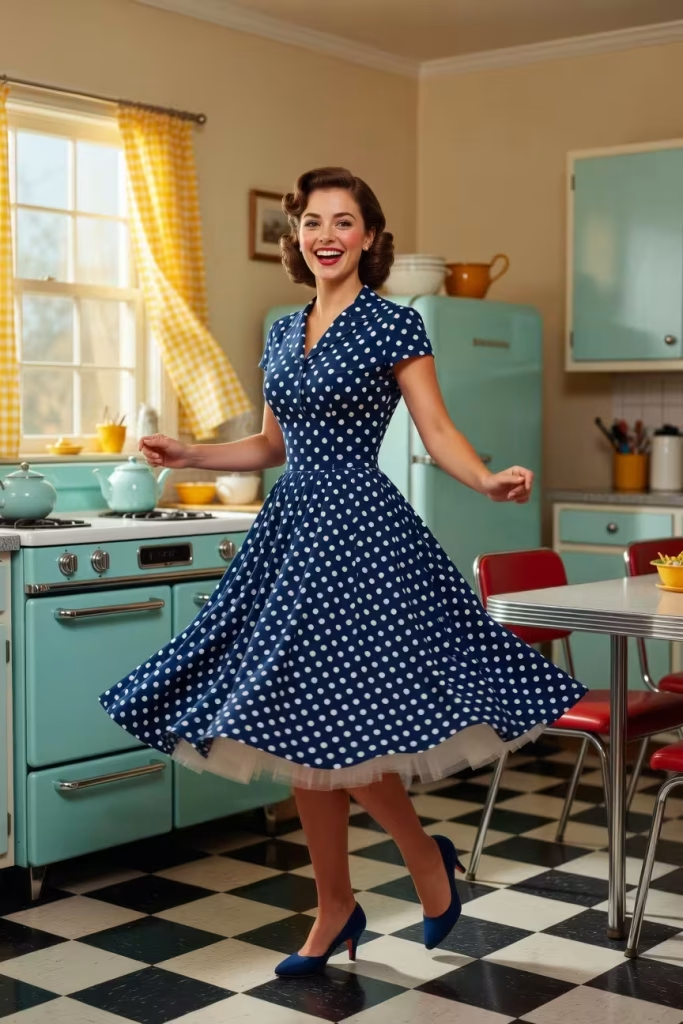
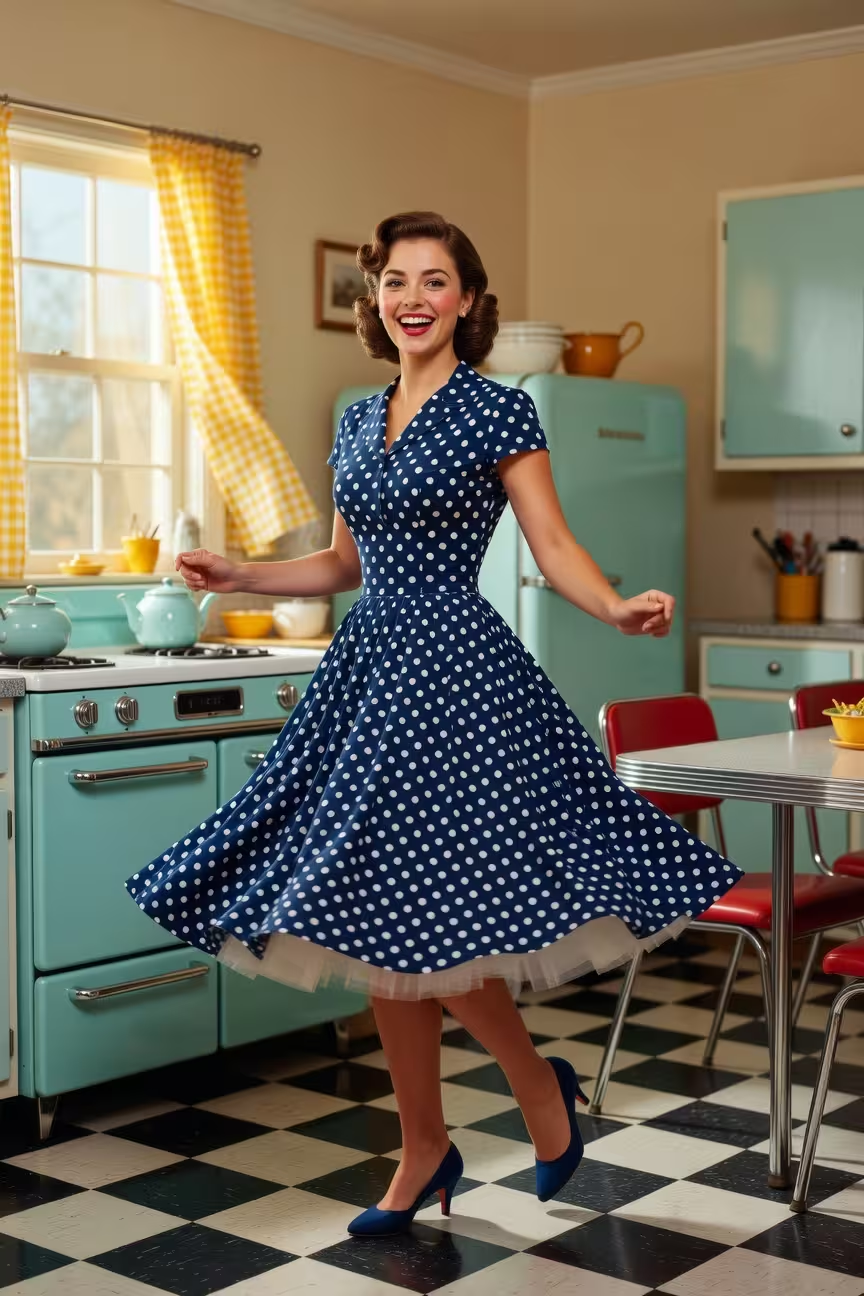
Picture this: you’re twirling in your kitchen, the scent of fresh apple pie wafting from the oven, and your full skirt sways with every step. That’s the magic of a classic 1950s dress. As a tradwife with eight years under my apron strings, I’ve discovered how these timeless pieces transform everyday homemaking into something truly special.
If you’re exploring the tradwife aesthetic, you’re probably searching for ways to infuse your wardrobe with effortless femininity. These dresses aren’t just clothes—they’re a celebration of grace, practicality, and the beauty of homemaking. In this guide, I’ll share the must-have styles every tradwife should consider, drawing from years of experience and conversations with fellow homemakers.
There’s something deeply intentional about slipping into a vintage-inspired dress before starting your morning routine. These garments represent more than fashion—they embody a mindset of purposeful homemaking that resonates with women choosing traditional roles today.
The genius of 1950s fashion lies in its celebration of the feminine form without sacrificing comfort. Cinched waists flatter your figure after chasing toddlers around the house, while durable fabrics hold up beautifully through days of gardening, baking, and household projects. According to fashion historians, this era prioritized both elegance and functionality—qualities that align perfectly with the tradwife lifestyle.
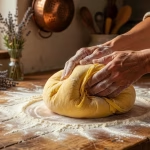
I’ve worn mine to farmers markets in the Pacific Northwest, where misty mornings call for something cozy yet charming. What nobody tells you is how these dresses empower you to own your role at home, turning simple tasks into joyful rituals. When I’m wearing a dress that makes me feel beautiful, folding laundry or kneading bread dough becomes an act of devotion rather than a chore.
The fit-and-flare silhouettes also offer practical advantages. Full skirts allow unrestricted movement when you’re reaching for items on high shelves or bending to tend your vegetable garden. Natural fabrics breathe easily during warm weather, keeping you comfortable through long days of homemaking.
The seven essential dress styles for your tradwife wardrobe
The classic shirtwaist dress
This versatile staple features buttons down the front and a defined waist with a belt. I reach for mine constantly because it transitions seamlessly from spring cleaning to summer picnics. The tailored structure offers a polished look even when you’re tackling messy projects—just add an apron over the top.
Look for cotton or linen blends that can withstand regular washing. The beauty of the shirtwaist is its ability to look put-together with minimal effort, making it perfect for unexpected visitors or quick trips to town.
The full-skirted swing dress
Nothing captures that vintage charm quite like a swing dress with its generous, twirl-worthy skirt. These dresses make everyday moments feel celebratory—whether you’re setting the table for Sunday dinner or practicing gratitude in your daily routine.
One fellow homemaker shared her story of finding a polka-dot swing dress at a Midwest garage sale, and how it transformed her weekly meal prep into something playful. The full skirt provides excellent coverage while maintaining femininity—ideal for women who value modesty alongside style.
The halter-neck style for warmer months
When temperatures rise, halter-neck dresses offer both elegance and breathability. This style works beautifully for Fourth of July barbecues or tending to your herb garden on sultry afternoons. The exposed shoulders and back keep you cool without sacrificing that vintage appeal.
Pair yours with a light cardigan for sun protection during outdoor chores, or wear it alone for indoor tasks on especially warm days.
The tea-length fit-and-flare
This sophisticated silhouette falls just below the knee, offering the perfect balance between formal and casual. It’s my go-to for special occasions like holiday gatherings or when hosting dinner parties. The fitted bodice and flared skirt create a universally flattering shape that photographs beautifully for family memories.
The wrap dress variation
While not strictly traditional 1950s, wrap dresses inspired by that era offer adjustable fit that’s forgiving through different seasons and life stages. The wrap style accommodates fluctuating weights gracefully—something many homemakers appreciate.
The sleeveless sundress with bolero
This two-piece combination provides versatility throughout the day. Wear the sundress alone for morning chores, then add the matching bolero jacket when your husband comes home or when stepping out for errands. The layering option extends your wardrobe possibilities considerably.
The Peter Pan collar dress
These sweet, modest dresses feature a signature rounded collar that adds youthful charm. They’re especially popular for church services or formal family events. The collar detail draws attention to your face while maintaining that wholesome, feminine appearance many tradwives favor.
Sourcing authentic vintage dresses without breaking the bank
Building a vintage-inspired wardrobe doesn’t require a massive budget. The thrill of the hunt is genuinely half the fun, and I’ve discovered that patience yields incredible treasures.
Local thrift stores remain goldmines for authentic pieces or quality reproductions. Visit regularly, as inventory changes constantly. I’ve found that smaller towns often have better selections than urban areas, where vintage clothing gets snapped up quickly by resellers.
Etsy has become my favorite online source for custom-made reproduction dresses. Many sellers offer made-to-measure options at reasonable prices, ensuring proper fit—which matters tremendously for comfort during long homemaking days. Search terms like “1950s housewife dress” or “vintage swing dress reproduction” yield excellent results.
Estate sales and flea markets during fall seasons often feature vendors selling vintage clothing collections. I’ve scored beautiful cotton print dresses at these events, durable enough for daily wear while maintaining authentic period details.
One honest truth from years of experience: quality matters significantly. Fast fashion reproductions often fall apart after a few washes, while genuine vintage pieces or well-made reproductions last through countless wear cycles. Invest in natural fibers like cotton, linen, or rayon—they breathe better and maintain their shape beautifully.
For newcomers, I recommend starting with just one or two pieces that genuinely excite you. Observe how they integrate into your routine before expanding your collection. This measured approach prevents buyer’s remorse and helps you identify which styles truly serve your lifestyle.
Styling your 1950s dresses for real homemaking tasks
The key to making vintage dresses work for actual homemaking lies in thoughtful styling that balances aesthetics with practicality. These aren’t just photo-opportunity outfits—they’re meant for real life.
Start with comfortable undergarments. A proper slip prevents sheerness and helps skirts drape correctly. For fuller-skirted styles, a modest petticoat adds that authentic silhouette while providing coverage when bending or reaching.
Footwear makes or breaks functionality. Mary Jane flats offer vintage appeal with all-day comfort for kitchen work. Save heels for special occasions or shorter wear periods. During summer, canvas sneakers in neutral tones provide support without clashing with your dress.
Aprons deserve special mention—they’re essential protective layers that enhance the overall aesthetic. A full-coverage vintage-style apron shields your dress during cooking projects or cleaning tasks. I keep several in rotation, matching them to different dresses for coordinated looks.
Accessories complete the picture without overwhelming it. A simple pearl necklace adds polish for Easter brunches or Christmas preparations. Headscarves serve double duty—they protect your hairstyle during housework while adding authentic period flair. For market runs, a woven basket tote provides practical storage with vintage charm.
Here’s a real scenario from my week: Last Memorial Day, I wore a red-and-white gingham swing dress while hosting extended family. The full skirt allowed easy movement as I set the table, carried serving dishes, and bent to interact with little ones. A white cardigan provided arm coverage when I stepped outside to check the grill, while my low wedge sandals kept my feet comfortable through hours of hosting.
Layering extends your wardrobe across seasons. Cardigans transform sleeveless dresses for cooler weather. In winter, opaque tights under longer hemlines maintain the vintage aesthetic while providing warmth. Short-sleeved boleros offer arm coverage without bulk during transitional seasons.
The beauty of this approach is how it turns daily routines into opportunities for expressing femininity and intentionality—values central to the tradwife identity you’re building.
Overcoming common challenges with vintage fashion
Let’s address the elephant in the room—vintage fashion isn’t always straightforward. I’ve navigated enough challenges to share honest solutions that actually work.
Sizing presents the biggest hurdle. Vintage sizing runs significantly smaller than modern measurements, and even reproduction brands vary wildly. Always check detailed measurement charts rather than relying on size labels. When purchasing vintage pieces, expect to need alterations—budget for this when shopping.
Local seamstresses can transform thrift store finds into custom-fitted garments at reasonable costs. I’ve built relationships with two tailors who understand my preferences, making the alteration process smooth and predictable. This investment turns mediocre fits into dresses I reach for constantly.
Maintenance requires more attention than modern clothing. Ironing full skirts takes time—I dedicate Sunday evenings to pressing the week’s dresses while listening to audiobooks. It becomes meditative rather than tedious when you frame it as preparation for the week ahead.
Delicate fabrics need gentle handling. Hand-washing in cool water with mild detergent preserves colors and prevents shrinkage. Air-drying on padded hangers maintains shape better than machine drying. Yes, this requires more effort, but these dresses last years longer with proper care.
For women with curves, finding flattering styles can be frustrating. The good news? The 1950s actually celebrated fuller figures. Look for brands specializing in plus-size vintage reproductions—they understand how to construct garments that flatter various body types. Fit-and-flare silhouettes generally work beautifully for curvier women, cinching at the natural waist and skimming over hips.
Modern reproductions sometimes lack authentic details, feeling costume-y rather than genuine. Research quality brands that prioritize accuracy in construction and fabric choices. Read reviews from other customers about durability and wash-ability before purchasing.
If you’re feeling overwhelmed, start small and build gradually. Join our tradwife community where experienced homemakers share their favorite sources, styling tips, and honest reviews of different brands. Learning from others’ experiences shortens your learning curve considerably.
Building a capsule wardrobe that lasts
Rather than accumulating dozens of dresses, focus on curating a smaller collection of versatile, high-quality pieces that genuinely serve your lifestyle. This approach aligns with values of frugality and intentionality that many tradwives embrace.
Start with a color palette that complements your complexion and mixes easily. I’ve built my wardrobe around navy, red, cream, and soft florals—colors that coordinate effortlessly and transition across seasons. This strategy maximizes outfit combinations while minimizing clutter.
Consider your climate and daily activities when selecting fabrics. Lightweight cottons dominate my summer rotation for kitchen projects and outdoor chores. Heavier rayons and wool blends emerge for winter baking sessions and holiday hosting.
Seasonal rotation keeps dresses in better condition. I store off-season pieces in breathable garment bags with cedar blocks to prevent moth damage. This practice also makes getting dressed easier—you’re choosing from currently appropriate options rather than overwhelming selections.
Incorporating these dresses into family traditions creates beautiful continuity. Some tradwife families coordinate colors for holiday photos, or mothers pass down special dresses to daughters for meaningful occasions. These practices foster that sense of warmth and intentionality that makes homemaking feel significant.
Track what you actually wear. After six months, you’ll notice which dresses earn regular rotation and which sit untouched. This awareness guides future purchases toward styles that genuinely fit your life rather than idealized versions of it.
As you build your collection, remember that this journey is deeply personal. Your wardrobe should reflect your unique expression of the tradwife lifestyle—there’s no single “correct” way to dress. Trust your instincts about what makes you feel beautiful, confident, and ready to embrace your role at home.
Ready to connect with other homemakers who share your passion for vintage style and traditional living? Join our weekly newsletter for styling inspiration, homemaking tips, and encouragement delivered straight to your inbox. You’ll discover how other tradwives incorporate timeless fashion into their daily routines while building a wardrobe that truly supports the life you’re creating.
Frequently asked questions
What if 1950s dresses don’t fit my body type?
Most body types can find flattering 1950s styles with some experimentation. Fit-and-flare silhouettes work beautifully for curvier figures, while shirtwaist dresses suit straighter shapes. Consider professional alterations to customize thrift finds for your specific measurements. Many Etsy sellers offer made-to-measure options that eliminate sizing guesswork entirely. Remember, the goal is comfort and confidence in your homemaking role—never force a style that doesn’t feel right.
How do I care for vintage fabrics properly?
Hand-wash delicate vintage pieces in cool water with gentle detergent formulated for delicates. Air-dry on padded hangers to maintain shape and prevent shrinkage. For sturdier cotton dresses, machine washing on gentle cycles works fine—just avoid hot water and high heat drying. Iron while slightly damp for easiest wrinkle removal. Store properly with cedar blocks to prevent moth damage, especially for wool blends.
Are these dresses practical for busy homemaking days?
Absolutely—they’re designed for real movement and daily wear. The full skirts allow unrestricted motion for bending, reaching, and active tasks. Natural fabrics breathe well during physical work. Pair with comfortable undergarments like modest petticoats and supportive flats. Add a protective apron during messy projects. Many homemakers find these dresses more practical than modern casual wear because they’re constructed for durability and actual use.
Where can I find affordable vintage-style dresses?
Start with local thrift stores and estate sales for authentic pieces at bargain prices. Etsy offers excellent reproduction dresses at various price points, many with custom sizing. Check flea markets during fall seasons when vendors often sell vintage collections. Online marketplaces sometimes feature quality reproductions during seasonal sales. Building your wardrobe gradually allows you to invest in better quality pieces rather than settling for fast fashion that won’t last.
How do I style 1950s dresses across different seasons?
Layer strategically to adapt dresses for changing weather. Add cardigans or short-sleeved boleros in fall and spring for arm coverage. Winter calls for opaque tights under longer hemlines, plus wool coats for outdoor wear. Summer works best with lightweight cotton fabrics and minimal layering. Choose seasonal colors and prints—florals for spring, nautical themes for summer, rich jewel tones for fall, and festive prints for winter holidays.
Is vintage fashion too outdated for modern tradwife life?
Not at all—it’s a conscious choice that honors traditional femininity while remaining entirely practical for contemporary homemaking. Many women find vintage styles empowering because they celebrate rather than hide feminine qualities. These dresses help turn everyday routines into intentional acts of beauty and purpose. The style transcends trends, offering timeless elegance that photographs beautifully for family memories while serving real functional needs throughout your day.