Soups and Stews for Cold Winter Evenings — Tradwife Club
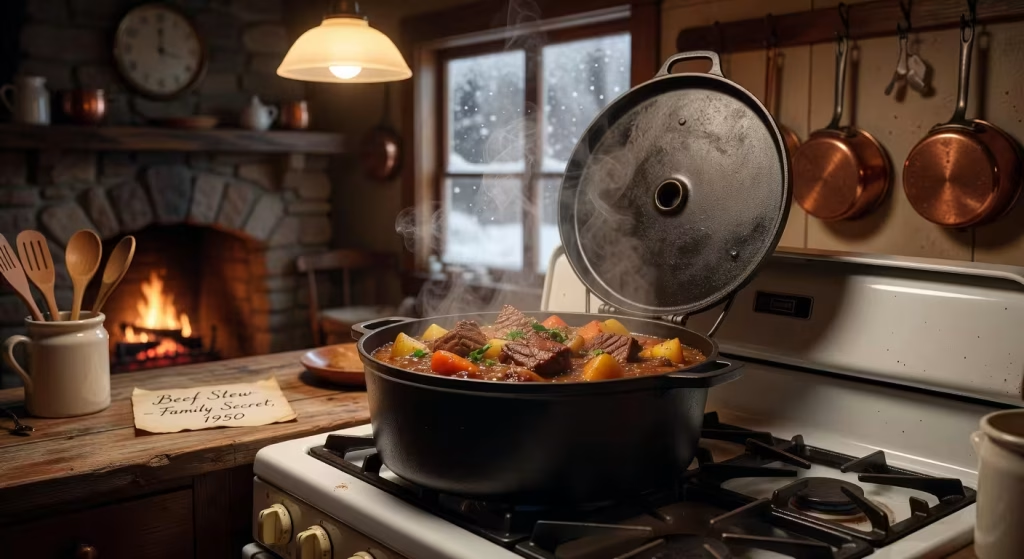
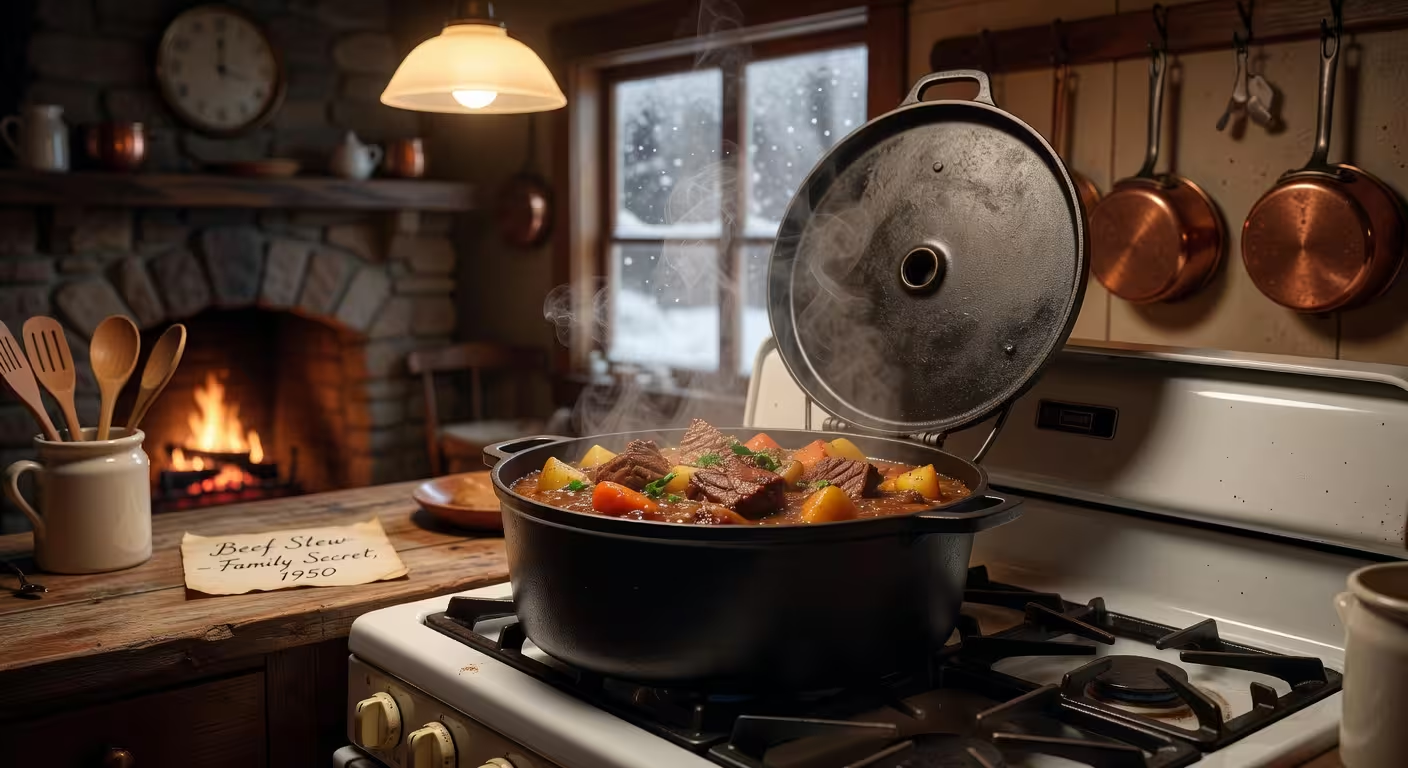
Picture this: snow blanketing your Midwest backyard, the kind that sticks around until March, and you’re stirring a pot of hearty beef stew in your farmhouse-style kitchen. The aroma fills the house, drawing your family to the table without a single call to dinner. That’s the magic of soups and stews on those chilly winter nights—they’re not just meals; they’re a warm embrace for the soul, especially when you’re embracing the tradwife lifestyle of nurturing your home and loved ones through simple, from-scratch cooking.
In the first frosty evenings of the season, many women in our community turn to these one-pot wonders for their ease and comfort. If you’re searching for practical ways to fill your home with cozy scents and nourishing meals, this guide dives right in with tips, recipes, and real insights from fellow homemakers who’ve mastered the art of winter cooking.
There’s something inherently traditional about a simmering pot on the stove during winter. It harkens back to our grandmothers in New England farmhouses, tending cast iron Dutch ovens over wood-burning stoves. Today, we might use a modern Instant Pot from Target, but the heart remains the same: creating sustenance that warms from the inside out.
Look, I’ve been part of this lifestyle community for years, and I’ve seen how these dishes align perfectly with our values of thrift and intention. They’re economical—stretching a Costco bulk buy of root vegetables into multiple meals—and they allow us to slow down, stirring thoughtfully as we reflect on the day. When you’re learning practical homemaking principles, mastering a few solid soup recipes becomes foundational.
That said, not every stew has to be a day-long affair. Many of us juggle homeschooling or holiday prep, so quick versions using pantry staples keep things manageable. Winter demands comfort, and in the Pacific Northwest, where rainy evenings stretch long, a good soup becomes more than food—it’s a ritual that grounds us in our chosen path.
Starting with the basics: tools and ingredients
Every experienced homemaker knows that the right tools make all the difference. My go-to is a well-seasoned Le Creuset Dutch oven, picked up at a thrift store sale years ago—it’s perfect for slow-cooking without constant attention. If you’re just beginning your homemaking journey, start with something affordable like a Lodge cast iron skillet for browning meats before transferring to a pot.
Here’s what nobody tells you: quality ingredients elevate even the simplest recipe. Head to your local farmers market for winter squash or carrots, even in the colder months—many in Texas traditions swear by adding a touch of spice from homegrown peppers preserved from summer. According to the USDA, seasonal produce not only tastes better but retains more nutrients when locally sourced.
Stock up on broth bases at Trader Joe’s; their organic options are a staple in my pantry. Combine them with affordable proteins like chicken thighs or lentils for vegetarian twists that suit various family needs. Don’t overlook herbs—fresh thyme or rosemary from a windowsill pot adds that homemade touch without much effort.
Between you and me, the real secret is layering flavors. Start with onions sautéed in butter, then build from there, letting each addition meld slowly. This technique transforms a basic soup into something memorable, the kind of meal that makes your home feel like a sanctuary during harsh weather.
Easy recipes to try this season
Let’s get to the heart of it: recipes that work in real homes. One scenario I hear often is the busy mom transitioning to full-time homemaking, overwhelmed by dinner ideas. She starts with a basic chicken noodle soup, using leftover roast from Sunday dinner, and suddenly, it’s a weekly staple.
Creamy potato leek soup
Take my favorite: creamy potato leek soup. Peel and chop four large potatoes—Russets from the Midwest work best—and simmer with sliced leeks in chicken broth. Add a splash of cream at the end for richness. It cooks in under an hour, ideal for those evenings when you’re prepping for Christmas cookie exchanges. Much like organizing your kitchen efficiently, having your ingredients prepped beforehand makes the process seamless.
Beef and barley stew
Now, here’s where it gets interesting. For a heartier option, try beef and barley stew. Brown stew meat in your Dutch oven, toss in barley, carrots, and celery, then let it bubble away while you fold laundry or catch up on reading. The barley thickens it naturally, no flour needed—a technique that also works beautifully when you’re making homemade sauces from scratch.
Lentil stew with spinach
Vegetarian? Lentil stew with spinach and tomatoes hits the spot. I’ve learned that adapting for picky eaters means keeping a base recipe and customizing bowls—extra cheese for the kids, a dash of hot sauce for your husband. These aren’t fancy; they’re reliable, the kind shared in our forums where women swap variations based on regional availability.
Overcoming common winter cooking hurdles
I’ll be honest, winter cooking isn’t always picture-perfect. Frustrations pop up, like when your stew turns out watery or the flavors fall flat—common complaints I’ve seen in recent social media threads from tradwife accounts.
One woman shared her story of a disastrous first attempt at chili during a Southern snow-in; she over-spiced it, but learned to taste as she goes. That’s key: season gradually. The thing is, time management trips many of us up. With shorter days and holiday chaos, prep veggies the night before, or use an Instant Pot to cut cooking time in half.
Health concerns? Opt for low-sodium broths and load up on greens. According to Health.gov, incorporating more vegetables into your daily meals supports overall wellness and helps maintain balanced nutrition during colder months when we’re less active.
What I’ve learned is embracing imperfections makes the process joyful. A slightly lumpy soup still nourishes, and it’s all part of creating that cozy home aesthetic we love, perhaps inspired by classic homemaking aesthetics.
Making it a family tradition
Turn soup nights into something special. In our house, we pair them with fresh bread from the oven, creating an atmosphere that feels both festive and grounding. Involve the kids in chopping or stirring—it teaches values of contribution, aligning with our community values.
That said, vary it up. One week, go Italian with minestrone; the next, a creamy chowder nodding to New England charm. For recipe inspiration that changes with the seasons, similar to planning traditional holiday meals, keep a rotation that prevents dinner fatigue.
The truth? These meals build memories. Imagine your children recalling mom’s winter stews years later, carrying on the tradition in their own homes. It’s empowering, and in the vast tradwife world, it’s these small acts that define us, far beyond the viral trends.
Winter evenings are fleeting, but the warmth you create through thoughtful cooking lingers long after the last bowl is served. Whether you’re new to homemaking or a seasoned pro, there’s always room to refine your approach and discover new favorites. Share your own winter soup traditions with other homemakers in the Tradwife Club community, where we celebrate the everyday beauty of nurturing our families through intentional choices.
Frequently asked questions
What’s the best way to store leftover soups and stews?
Cool them quickly and store in airtight containers in the fridge for up to four days. For longer storage, freeze in portions using freezer-safe bags—many women recommend labeling with dates to keep your pantry organized and avoid waste.
How can I make my stews thicker without using flour?
Puree a portion of the vegetables right in the pot for natural thickness, or add grains like barley that absorb liquid as they cook. This keeps it gluten-free and hearty, perfect for family members with dietary needs.
Are there quick soup recipes for busy weeknights?
Absolutely—try a 30-minute tomato basil soup using canned tomatoes and fresh herbs from Trader Joe’s. Blend it smooth and serve with grilled cheese for a simple, satisfying meal that fits into your weekly rhythm.
How do I adapt recipes for vegetarian family members?
Swap meat for beans or tofu, and use vegetable broth instead of chicken or beef. Women in our community often share tweaks like adding smoked paprika for that depth of flavor without animal products.
What’s a good beginner stew for someone new to homemaking?
Start with a classic vegetable stew—chop onions, carrots, and potatoes, simmer in broth with herbs. It’s forgiving and builds confidence, as many starting tradwives discuss in online threads.
Can I use an Instant Pot for all these recipes?
Yes, most adapt well to pressure cooking, cutting time significantly. Just sauté first if needed, then set to high pressure for 20-30 minutes depending on the ingredients—it’s a game-changer for winter evenings.