Outdoor Activities for the Whole Family: A Tradwife’s Guide to Nature & Connection
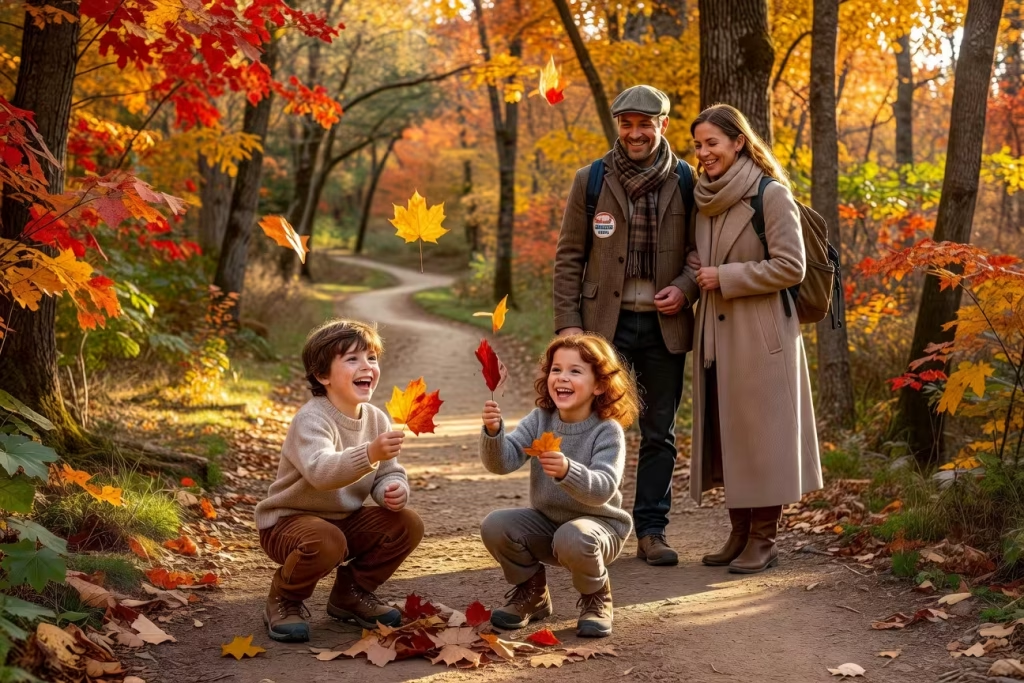
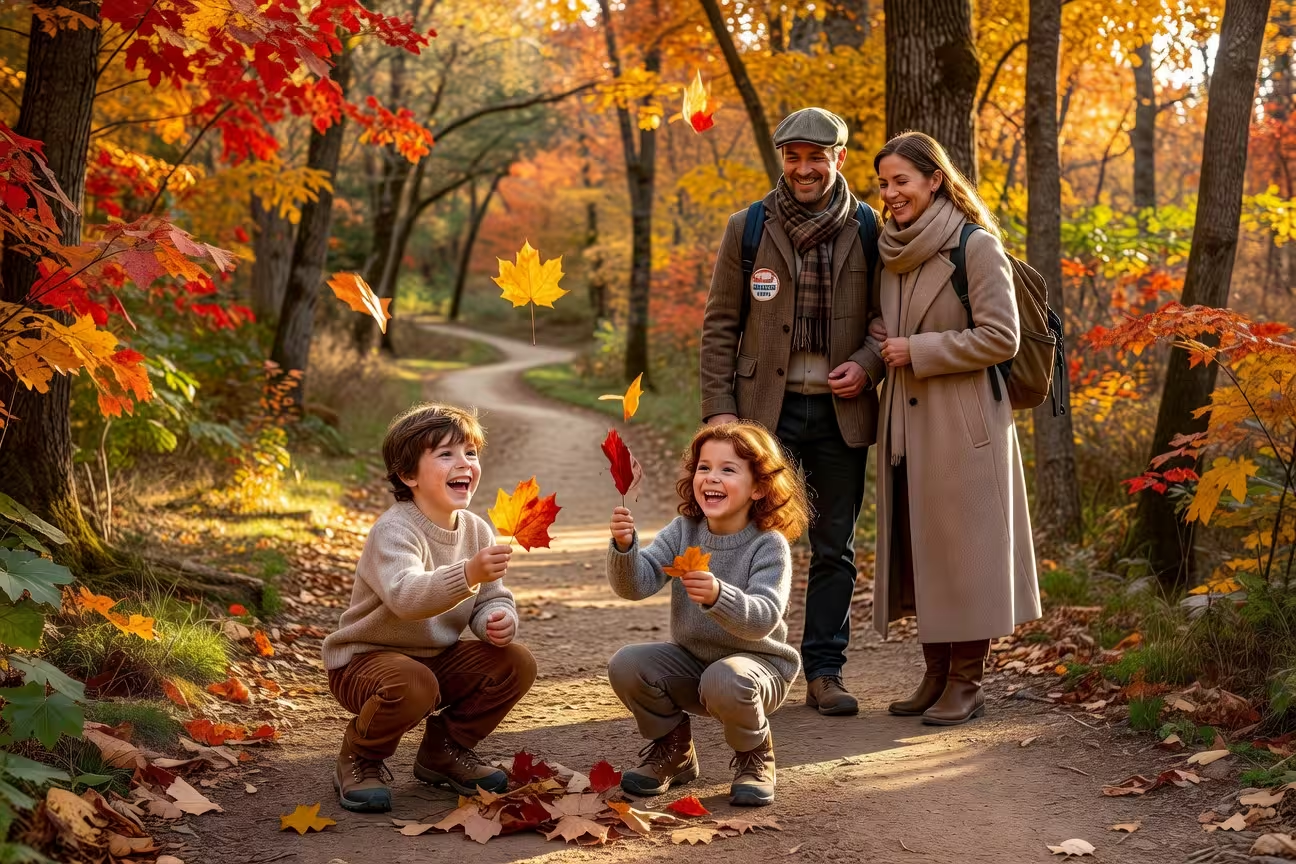
Remember that crisp autumn morning when you bundle up the kids, grab a thermos of hot cider, and head out for a family hike? The leaves crunching underfoot, the laughter echoing through the trees—these moments capture the heart of what makes traditional family life so meaningful. As someone who’s spent years sharing the tradwife lifestyle, I’ve watched countless families rediscover the simple joy of stepping outside together, away from screens and schedules, into something beautifully unhurried.
From the sunny valleys of California to the rolling hills of Pennsylvania, American families are craving more outdoor time. Not elaborate vacations or expensive equipment—just real moments of connection under open skies. If you’re building a home centered on traditional values, these activities offer more than fresh air; they nurture the bonds that hold everything together.
When I first embraced this lifestyle, I underestimated nature’s quiet power. But watching my own children grow alongside countless conversations in homemaking circles has shown me something essential: outdoor time builds the kind of resilience no classroom or device can replicate. It teaches patience when a trail gets muddy, creativity when you’re building a fort from fallen branches, and gratitude when you watch the sunset paint the sky.
One mother from the Pacific Northwest shared how her rainy-day frustrations transformed when she stopped fighting the weather. Instead of keeping everyone inside, she invested in good rain boots and discovered that puddle-jumping became their favorite weekly ritual. Her kids learned that joy isn’t conditional on perfect conditions—a lesson that extends far beyond childhood.
Here’s what makes outdoor activities particularly valuable for traditional families: they create natural rhythms that counter our culture’s frantic pace. When you choose to spread a quilt under an oak tree for an afternoon picnic, you’re making a quiet statement about what matters. You’re showing your children that presence trumps productivity, that relationships need unhurried time to flourish.
Yet the obstacles are real. Busy schedules pull us in every direction. Household tasks seem endless. The couch feels safer than the uncertain outdoors. But from years of conversations with women living this lifestyle, I’ve learned the secret isn’t perfection—it’s persistence in small steps. Maybe you start with ten minutes in the backyard after dinner, gradually building toward Saturday morning adventures.
Don’t overlook your husband’s role in this rhythm. As the heart of your home, you can gently invite him into planning and leading outdoor time. Whether it’s a fishing trip where he teaches patience or a backyard campfire where he shares stories from his own childhood, these moments strengthen his connection to the family in beautiful ways. For more insights on nurturing that partnership, our guide on traditional husbands offers practical wisdom.
Seasonal rhythms that work with your life
Nature gives us a built-in framework for outdoor activities—the changing seasons. Instead of fighting this rhythm, traditional homemaking embraces it, finding joy in each phase of the year.
Spring arrives with renewal energy that begs to be channeled outdoors. This is when I love starting small herb gardens with my children, using whatever containers we have on hand—old wooden crates, ceramic pots from thrift stores, even repurposed tin buckets. We plant basil, mint, and rosemary, and suddenly the kids have a reason to check the backyard every morning. One woman transformed her neglected yard by scattering wildflower seeds from the local farmers market—nothing complicated, just beauty allowed to grow naturally.
Summer opens the door to lazy afternoons that linger. Pack a simple picnic basket with sandwiches, fresh fruit, and homemade lemonade, then head to a nearby lake or park. Leave phones in the car. Bring a blanket and maybe a frisbee. These unstructured hours teach children how to simply be—a skill increasingly rare in our achievement-obsessed culture. If you’re looking for picnic-worthy recipes, check out our collection of traditional family recipes that travel well.
Fall transforms the landscape into a teaching tool. In New England, the foliage alone is worth the drive, but even Midwest farmlands offer corn mazes and pumpkin patches that have become beloved American traditions. Rake leaves into jumping piles. Take nature walks to collect acorns, pinecones, and colorful leaves for craft projects later. One family I know created an annual tradition of visiting the same apple orchard each October, watching their children grow against the backdrop of the same trees.
Winter might seem limiting, but it holds its own magic. Build snowmen in the yard, bundled in warm layers. Create bird feeders from pinecones, peanut butter, and seeds, then watch feathered visitors from your kitchen window. Even cold-weather walks through quiet neighborhoods offer a different kind of beauty—the crunch of frost underfoot, the stillness that invites conversation.
These seasonal activities aren’t elaborate productions. They’re rhythms woven into your weekly flow, much like the daily and weekly habits that shape traditional homemaking. Our guide to tradwife routines explores how these natural patterns create stability and joy.
Backyard adventures that cost almost nothing
Here’s something liberating: the best outdoor experiences rarely require much money. Your own backyard—whether it’s a sprawling lawn or a small patio—holds more potential than any expensive attraction.
Transform your yard into a campsite with a basic tent and sleeping bags. Roast marshmallows over a small fire pit, telling stories as darkness falls. The kids will remember the adventure, not how much it cost. One young mother shared her frustration with high admission fees at local attractions, only to discover her children preferred backyard camping to any theme park.
Nature scavenger hunts have become a favorite in our home. I print a simple list—smooth stones, yellow flowers, something that makes noise, a heart-shaped leaf—and the children scatter with purpose. It sharpens their observation skills and keeps them engaged for hours. Pair this with a picnic blanket spread with simple snacks, and you’ve created an afternoon that costs pennies but builds priceless memories.
Rainy days don’t have to derail outdoor time. We’ve built forts using old sheets draped over branches, creating shelters that spark imaginative play. I’ve watched my children turn our backyard into pirate ships, castles, and secret hideaways—all from materials we already owned.
The obstacle course is another gem that requires zero special equipment. Use lawn chairs to crawl under, chalk to draw hopscotch patterns, ropes for balance beams laid on the ground. Let the children help design it, giving them ownership of the activity. Time them, create silly rules, make it a family competition where everyone wins.
These budget-friendly ideas align perfectly with the resourcefulness that defines traditional homemaking. When you organize your home efficiently, you find you already have everything needed for meaningful outdoor time. It’s about creativity, not consumption.
Tailoring activities from toddlers to teenagers
The challenge every mother faces: how do you create outdoor time that engages both the three-year-old and the thirteen-year-old? The answer lies in flexibility and involving everyone in the planning.
For toddlers and preschoolers, sensory experiences reign supreme. Let them dig in the dirt, splash in a small wading pool, or collect rocks in a bucket. These simple activities develop motor skills and curiosity about the natural world. I’ve found that allowing messiness outdoors—mud on clothes, grass-stained knees—teaches children that exploration sometimes means getting dirty, and that’s perfectly acceptable.
Elementary-aged children thrive with structure combined with freedom. Nature journals where they sketch observations, bug-catching expeditions with magnifying glasses, or helping plant a vegetable garden give them purpose while feeding their natural curiosity. One family turned their weekly nature walks into a competition to identify the most bird species, using a simple field guide from the library.
Teenagers require a different approach. Rather than forcing participation, invite their input. What outdoor activity sounds appealing? Maybe it’s a family bike ride along a scenic trail with a stop for ice cream. Perhaps it’s a photography challenge where they capture interesting textures or colors in nature. One creative mother gave her reluctant teen daughter a basic camera and watched her transform into an enthusiastic participant when hiking became an artistic pursuit.
Don’t forget to involve your husband in age-appropriate ways. Maybe he leads a fishing trip to a nearby pond, teaching patience and the satisfaction of providing. Perhaps he organizes a backyard sports tournament or teaches older children basic camping skills. These activities reinforce his role while creating memories that last generations.
The key is evolving your outdoor traditions as your family grows, much like how traditional values adapt across generations while maintaining their core. Our exploration of the tradwife movement’s history shows how these principles remain relevant through changing times.
Navigating obstacles with practical grace
Let’s be honest—outdoor plans don’t always unfold smoothly. Bugs swarm. Allergies flare. Someone gets cranky or tired. Weather turns unexpectedly. These real obstacles derail even the best intentions, but traditional wisdom offers practical solutions.
Preparation makes all the difference. Pack natural bug repellents, extra layers for temperature changes, and simple snacks that boost energy. Keep a basic first-aid kit in your car. These small steps prevent minor inconveniences from becoming major disruptions.
Weather unpredictability requires flexibility rather than frustration. Have backup plans for indoor-outdoor spaces like covered porches or garages that can host activities when rain threatens. One family created a “weather jar” filled with activity ideas for different conditions—sunny days, rainy afternoons, windy mornings—turning unpredictability into adventure.
When children melt down mid-activity, resist the urge to push through. I’ve learned that pausing for an unscheduled snack break or simply sitting quietly often resets everyone’s mood. These moments teach adaptability—showing children that plans can change and that’s perfectly fine. It models the grace under pressure that defines strong homemaking.
Remember to care for yourself amid the chaos. As the homemaker orchestrating these experiences, you need refreshment too. Maybe that means sipping tea while children play nearby, or taking five quiet minutes to simply observe rather than direct. This isn’t selfishness—it’s the sustainable approach that allows you to keep nurturing your family long-term.
Embracing imperfection transforms outdoor time from a performance into authentic family life. Some days will feel magical. Others will end early with tired tears and everyone ready for home. Both are valuable. Both build the resilience and flexibility that traditional families cherish.
Making outdoor time a lasting tradition
The outdoor activities you choose today become the traditions your children remember and recreate with their own families. This legacy-building happens through consistency, not perfection. Weekly nature walks matter more than occasional elaborate outings. The Saturday morning park visits they can count on shape them more deeply than the once-a-year vacation.
Start small if you’re new to prioritizing outdoor time. Maybe it’s a ten-minute evening walk after dinner three times a week. Perhaps it’s dedicating Saturday mornings to backyard play before chores. These modest commitments, maintained consistently, create rhythms that everyone anticipates and treasures.
Document the journey in simple ways. A nature journal where children paste leaves and write observations becomes a cherished keepsake. Photos printed and placed in albums—not just stored digitally—give tangible evidence of time well spent. These records remind you on difficult days why you’ve chosen this path.
Involve extended family when possible. Grandparents often treasure outdoor time with grandchildren, passing down knowledge about local plants, trees, or wildlife. These intergenerational connections strengthen family identity while teaching children their place in a larger story.
As seasons change and children grow, your outdoor activities will evolve. The backyard that once hosted toddler water play might later become a teenager’s vegetable garden. The park where you pushed swings transforms into the trail where you hike alongside young adults. This evolution is beautiful—evidence of a living tradition that adapts while maintaining its core values.
If you’re looking for encouragement and fresh ideas as you build these traditions, I’d love for you to join our weekly newsletter. Every week, I share practical tips, seasonal inspiration, and stories from women living this lifestyle across the country. Or connect with other like-minded mothers in our Tradwife Club community, where you’ll find support, ideas, and the reminder that you’re not alone in choosing this beautiful, sometimes challenging path.
Frequently asked questions
What are the easiest outdoor activities for busy weekdays?
After-dinner walks around your neighborhood require zero planning and fit naturally into your routine. Quick games like tag in the backyard or gathering herbs from a small garden for dinner take less than twenty minutes but provide meaningful outdoor time. The key is consistency rather than duration—even fifteen minutes outside together builds the habit and connection you’re seeking.
How can I make outdoor time educational without formal lessons?
Natural learning happens when you simply pay attention together. Point out birds and try identifying them, notice how plants change through seasons, or observe insects at work. Ask open-ended questions like “What do you think that bird is building?” rather than lecturing. This gentle approach builds curiosity and observation skills that serve children far beyond any worksheet.
What if my family isn’t naturally outdoorsy?
Start with small, comfortable steps rather than ambitious adventures. A picnic in your backyard feels less intimidating than a long hike. Gradually extend outdoor time as everyone adjusts. Focus on fun rather than endurance—play games, bring favorite snacks, and keep early outings short. Most families develop a love for outdoor time through gentle, repeated exposure rather than forced enthusiasm.
How do urban families find outdoor opportunities?
City parks, community gardens, and even balcony container gardens provide valuable outdoor experiences. Visit farmers markets not just for produce but for the outdoor atmosphere and people-watching. Many cities have greenways, botanical gardens, or riverside paths perfect for walks. Rooftop spaces, if you have access, can become small outdoor retreats with potted plants and seating.
How can I encourage my husband to participate more in family outdoor time?
Frame outdoor activities around his interests and strengths. If he enjoys grilling, suggest a backyard barbecue followed by yard games. If he’s athletic, invite him to teach the children a sport. Present outdoor time as an opportunity for him to lead and bond with the family rather than another task. Most men respond well when they see how their involvement strengthens family connections and allows them to pass down skills and values.
What basic gear do we really need for family outdoor activities?
Start with essentials: a durable picnic blanket, reusable water bottles, comfortable walking shoes for everyone, and weather-appropriate clothing layers. A simple first-aid kit, sunscreen, and bug repellent round out the basics. Avoid the temptation to over-purchase specialized equipment initially. Thrift stores often carry excellent outdoor items at fraction of retail costs. Focus on multi-use items that serve you across seasons rather than activity-specific gear that sits unused.