Homemade Desserts That Will Impress Your Family Every Time
Picture this: the aroma of cinnamon and vanilla wafting through your kitchen on a crisp autumn afternoon, your little ones peeking over the counter, eyes wide with anticipation. That’s the magic of homemade desserts. As someone who’s spent years perfecting family recipes and creating new traditions, I’ve learned that baking isn’t just about the final product—it’s about the love, intention, and memories you weave into every batch. Today, I’m sharing desserts that will make your loved ones feel truly cherished, along with practical tips to make baking a joyful part of your homemaking rhythm. If you’re new to embracing this lifestyle, our tradwife guide offers a wonderful foundation for creating a nurturing home.
These recipes aren’t about perfection or impressing strangers on social media. They’re about creating moments—the kind where your husband comes home to a warm kitchen, or your children remember decades later. Whether you’re preparing for a holiday gathering or simply want to elevate a Tuesday evening, these desserts balance impressive presentation with achievable techniques that fit into your daily routine.
Why homemade desserts matter in a traditional home
There’s something profoundly satisfying about pulling a warm dessert from the oven, knowing you’ve created it with your own hands. In our convenience-driven culture, choosing to bake from scratch is a meaningful choice—a way to nurture your family with intention and care. A classic cherry cobbler or apple pie carries more than flavor; it carries tradition, hospitality, and the irreplaceable comfort of home.
What many women don’t realize initially is that the process itself builds valuable qualities. Baking requires patience, precision, and creativity—skills that naturally enhance every aspect of homemaking. For women just exploring this path, starting with desserts offers a gentle, rewarding entry point. You don’t need a kitchen full of expensive gadgets; a basic cast iron skillet and quality ingredients will take you remarkably far.
These treats impress because they’re thoughtful. Serving a layered trifle with fresh seasonal berries shows you’ve invested time and heart into the moment. Even on busy weeks, semi-homemade approaches—like elevating a quality box mix with fresh ingredients and personal touches—demonstrate your commitment to creating something special. The goal isn’t perfection; it’s presence and intentionality in your role as the heart of your home.
Classic pies and fruit crisps that always deliver
Let’s start with pies, a cornerstone of traditional American baking that never goes out of style. My favorite remains a classic apple pie, but with a small twist that makes it memorable: adding a handful of cranberries for a tart brightness that cuts through the sweetness beautifully. This combination works wonderfully for Thanksgiving celebrations and autumn gatherings alike.
Begin by preheating your oven to 375°F. For a reliable pie crust, combine two cups of all-purpose flour with a pinch of salt, then cut in three-quarters cup of cold butter until the mixture resembles coarse crumbs. Add ice water gradually—usually four to six tablespoons—until the dough just comes together. Handle it gently; overworking creates tough crust. Roll it out on a floured surface and line your pie dish, trimming the edges neatly.
For the filling, slice six to seven medium apples—Granny Smiths provide excellent tartness and hold their shape during baking. Toss them with three-quarters cup sugar, one teaspoon cinnamon, a tablespoon of flour (to absorb excess moisture), and fresh lemon juice. Pile the mixture generously into your crust, dot with butter, then cover with a top crust or lattice design. Brush with egg wash for that golden shine, cut steam vents, and bake for 45 to 50 minutes until the filling bubbles and the crust turns deep gold.
Here’s a real-world tip I learned through experience: if you struggle with soggy bottom crusts, try blind-baking the bottom crust for ten minutes before adding the filling. This extra step creates a barrier that keeps everything crisp. One woman in our community transformed her pie-baking after implementing this technique, and it’s now her signature contribution to family gatherings.
For something even simpler, peach crisp offers maximum impact with minimum stress. Fresh peaches work beautifully in summer, while frozen fruit makes this a year-round option. Toss sliced peaches with sugar and a touch of cornstarch, then top with a mixture of oats, brown sugar, flour, and butter. Bake at 350°F until the topping turns golden and the fruit bubbles around the edges—usually 35 to 40 minutes. Serve warm with vanilla ice cream or fresh whipped cream.
Decadent desserts for special celebrations
When holidays arrive or you’re hosting something special, certain desserts elevate the entire occasion. Individual chocolate lava cakes deliver restaurant-quality elegance without requiring professional skills. They’re surprisingly straightforward once you understand the technique.
Melt six ounces of quality dark chocolate with half a cup of butter over gentle heat, stirring until smooth. Remove from heat and whisk in half a cup of sugar, then add three eggs and a teaspoon of pure vanilla extract. Fold in one-quarter cup of flour gently—overmixing deflates the batter. Butter and flour your ramekins thoroughly (this prevents sticking), then divide the batter evenly among four six-ounce ramekins.
The critical part is timing: bake at 425°F for exactly 12 to 13 minutes. The edges should be set while the centers remain soft. Let them rest for one minute, then carefully invert onto plates. When done correctly, the centers flow like molten chocolate when you break through the cake. I’ll be honest—I once overbaked a batch and ended up with dense chocolate cakes instead. They were still delicious, just different. The lesson? Set a timer and resist the urge to second-guess it.
For a lighter option that shines in warmer months, lemon curd tart offers bright, refreshing elegance. Make the curd by whisking together lemon juice, zest, sugar, eggs, and butter over medium-low heat, stirring constantly until it thickens enough to coat the back of a spoon—usually eight to ten minutes. According to Food Network’s expert bakers, the key is patience and constant stirring to prevent the eggs from scrambling. Pour the finished curd into a pre-baked tart shell and refrigerate until set, at least two hours.
This dessert wins over guests consistently because it’s both beautiful and balanced—not too heavy after a substantial meal. Top with fresh berries or candied lemon slices for visual appeal. Several women in our newsletter community have shared how this became their go-to contribution for summer gatherings and spring celebrations.
Presentation techniques that elevate homemade desserts
Presentation transforms good desserts into memorable experiences. You don’t need professional training—just a few simple techniques and thoughtful touches. Start by considering your serving pieces. A vintage cake stand adds height and visual interest, while individual servings in mason jars or ramekins create charming, portion-controlled presentations perfect for gatherings.
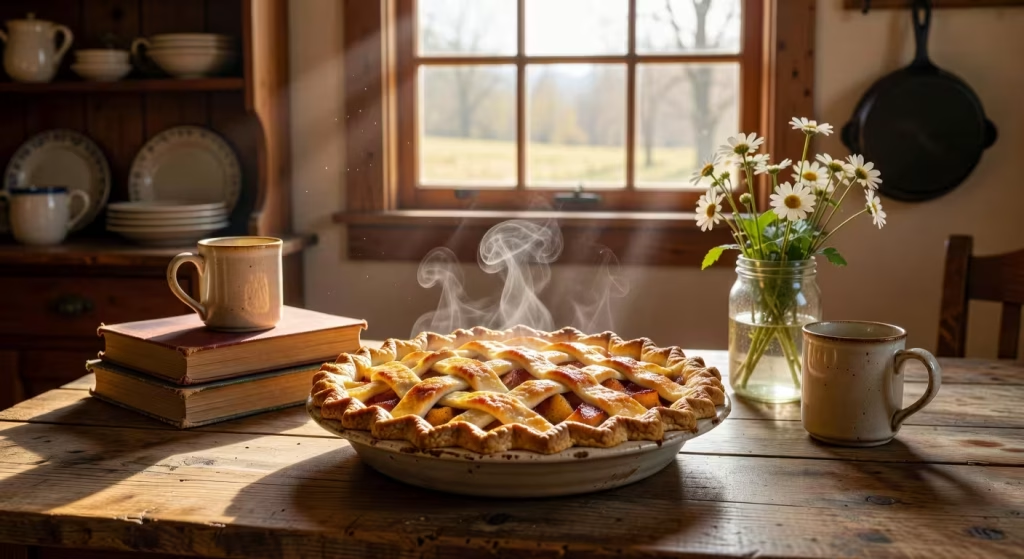
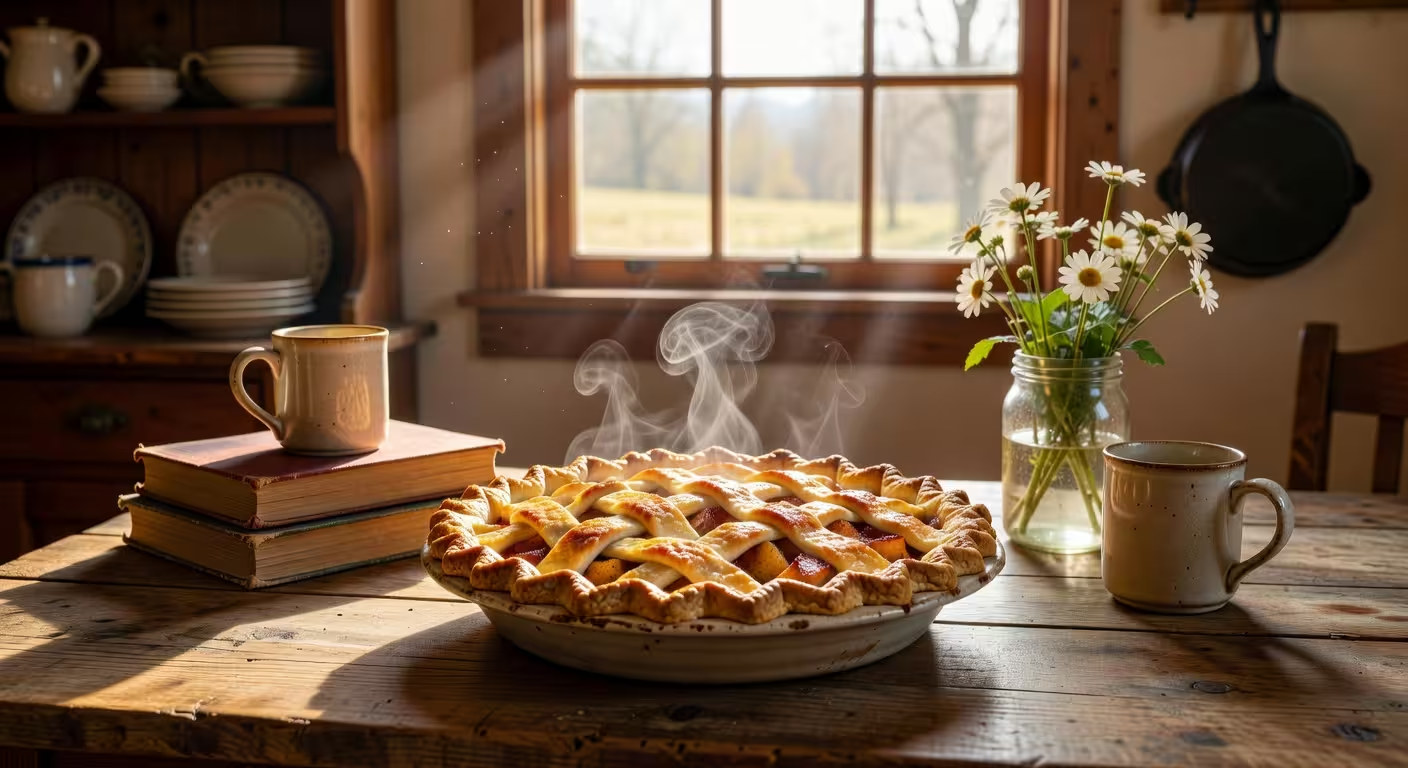
For pies, a well-executed lattice crust looks intricate but requires only basic weaving skills. Cut your top crust into even strips, lay half across the pie, then weave the remaining strips perpendicular to create the classic pattern. Brush with egg wash and sprinkle with coarse sugar for professional-looking shine and texture. Even simpler: cut decorative shapes from the top crust using small cookie cutters, arranging them artfully across the surface.
The finishing touches matter tremendously. A light dusting of powdered sugar through a fine-mesh sieve, fresh herbs like mint for garnish, or strategically placed berries can transform presentation entirely. Keep garnishes simple and purposeful—overcrowding distracts from the dessert itself. For cakes and tarts, clean edges make an enormous difference; wipe away any drips or smudges before serving.
Involving your family in presentation creates special moments while lightening your workload. Children love helping arrange cookies on platters or piping frosting onto cupcakes. These activities teach valuable skills while fostering the togetherness and tradition that define a thriving home. One community member shared how decorating desserts together became her family’s favorite Sunday afternoon activity, creating memories that extended far beyond the kitchen.
Between you and me, the real secret to impressive presentation is confidence. Even if something isn’t bakery-perfect, serving it with warmth and pride makes all the difference. Your family will remember the love and effort far longer than they’ll notice a slightly uneven frosting layer. For more insights on creating a welcoming home atmosphere, explore our thoughts on the tradwife aesthetic.
Common baking pitfalls and how to avoid them
Even experienced bakers encounter challenges, especially when juggling multiple homemaking responsibilities. Understanding common pitfalls helps you troubleshoot confidently rather than becoming discouraged. The most frequent issue I see is ingredient temperature—using cold eggs or butter when room temperature is specified creates texture problems in cakes and cookies.
Preparation prevents many disasters. Read recipes thoroughly before beginning, gathering and measuring all ingredients first. This approach, called mise en place, ensures you won’t discover you’re missing something crucial halfway through. Accurate measuring matters enormously in baking; invest in proper measuring cups and spoons, and consider a kitchen scale for precision with flour and sugar.
Timing your baking during calmer parts of your day makes a significant difference. Attempting elaborate desserts while managing multiple demands often leads to mistakes and frustration. Instead, choose quieter times—perhaps after morning routines are complete or while children nap—when you can focus properly on the task at hand. Just like maintaining an organized, efficient kitchen streamlines daily cooking, strategic timing makes baking more enjoyable.
Altitude affects baking significantly. If you live at high elevation, you’ll need to adjust recipes—typically reducing leavening agents slightly and sometimes increasing liquid. The King Arthur Baking Company offers excellent resources for altitude adjustments if you’re navigating this challenge.
Failures happen to everyone. I once completely scorched a batch of cookies during a particularly hectic week, but instead of discarding them, I crumbled the less-burned portions over vanilla ice cream. It became an unexpected family favorite. Embrace the learning process; every mishap teaches something valuable. For experienced bakers ready to experiment, try incorporating unexpected flavors—cardamom in shortbread, orange zest in chocolate brownies, or lavender in sugar cookies—to create signature variations that become your family’s traditions.
Creating beautiful, delicious homemade desserts doesn’t require culinary school or expensive equipment. It requires intention, practice, and the willingness to learn from both successes and failures. These treats become more than food—they’re expressions of love, vehicles for tradition, and opportunities to nurture the people who matter most. Whether you’re just beginning your homemaking journey or you’ve been baking for decades, there’s always room to grow, experiment, and create new memories around your table. I’d love to hear about your favorite family desserts and any questions you have—share your experiences and connect with other homemakers in the Tradwife Club community.
Frequently asked questions
What are the easiest homemade desserts for beginners?
Start with no-bake options like chocolate peanut butter bars, simple fruit crisps, or basic brownies. These recipes require minimal equipment and technique while building your confidence. Fruit crisps are particularly forgiving—even if the topping isn’t perfect, the warm fruit underneath makes everything delicious.
How can I make my homemade desserts look professionally made?
Focus on clean presentation: wipe plate edges, use quality serving dishes that match your home’s aesthetic, and add simple garnishes like fresh berries or a dusting of powdered sugar. A cake stand adds immediate visual appeal, and taking time to create neat edges on pies and cakes makes an enormous difference in perceived quality.
Can I adapt these dessert recipes for dietary restrictions?
Absolutely. Most recipes can be modified for gluten-free, dairy-free, or reduced-sugar needs. Swap all-purpose flour for quality gluten-free blends, use plant-based butter and milk for dairy-free versions, and experiment with natural sweeteners like maple syrup or honey. Make one change at a time to understand how it affects the final result.
What’s the best way to store homemade desserts to keep them fresh?
Store most desserts in airtight containers at room temperature for up to two days. Refrigerate anything with fresh fruit, cream, or custard. For pies, cover loosely with foil to prevent sogginess. Many desserts freeze beautifully—portion them individually so you can pull out treats as needed without thawing entire batches.
How do I fit baking into a busy homemaking schedule?
Batch preparation is your friend. Measure dry ingredients for multiple recipes during weekend prep, make pie dough in advance and freeze it, or choose desserts with hands-off baking time that let you accomplish other tasks. Incorporating baking into your regular rhythm—perhaps one special dessert weekly—makes it manageable rather than overwhelming.
Where can I find inspiration for new dessert recipes and techniques?
Our newsletter features seasonal dessert ideas and member favorites. Classic cookbooks provide timeless recipes that have stood the test of time. Engaging with other homemakers in our community offers practical tips, troubleshooting advice, and the encouragement that comes from connecting with women who share your values and lifestyle.