Imagine o seguinte: você está na sua cozinha aconchegante, o cheiro de ervas frescas do mercado de produtores enchendo o ar, e você está preparando uma fornada de ketchup caseiro que tem gosto de verão em um pote. Fazer seus próprios condimentos não é apenas sobre economizar dinheiro – é sobre retomar o controle do que entra nas refeições da sua família e se reconectar com a arte perdida do artesanato doméstico tradicional. Este guia irá guiá-lo através de receitas simples e testadas pelo tempo que se encaixam naturalmente no seu ritmo diário, desde maionese básica até molhos barbecue robustos. Ao final, você terá a confiança para abandonar aquelas garrafas compradas em lojas cheias de conservantes e criar molhos que tornam seus jantares cozidos em casa verdadeiramente especiais. Para mais informações sobre como construir esses hábitos essenciais de artesanato doméstico, explore nosso Guia do estilo de vida tradwife.
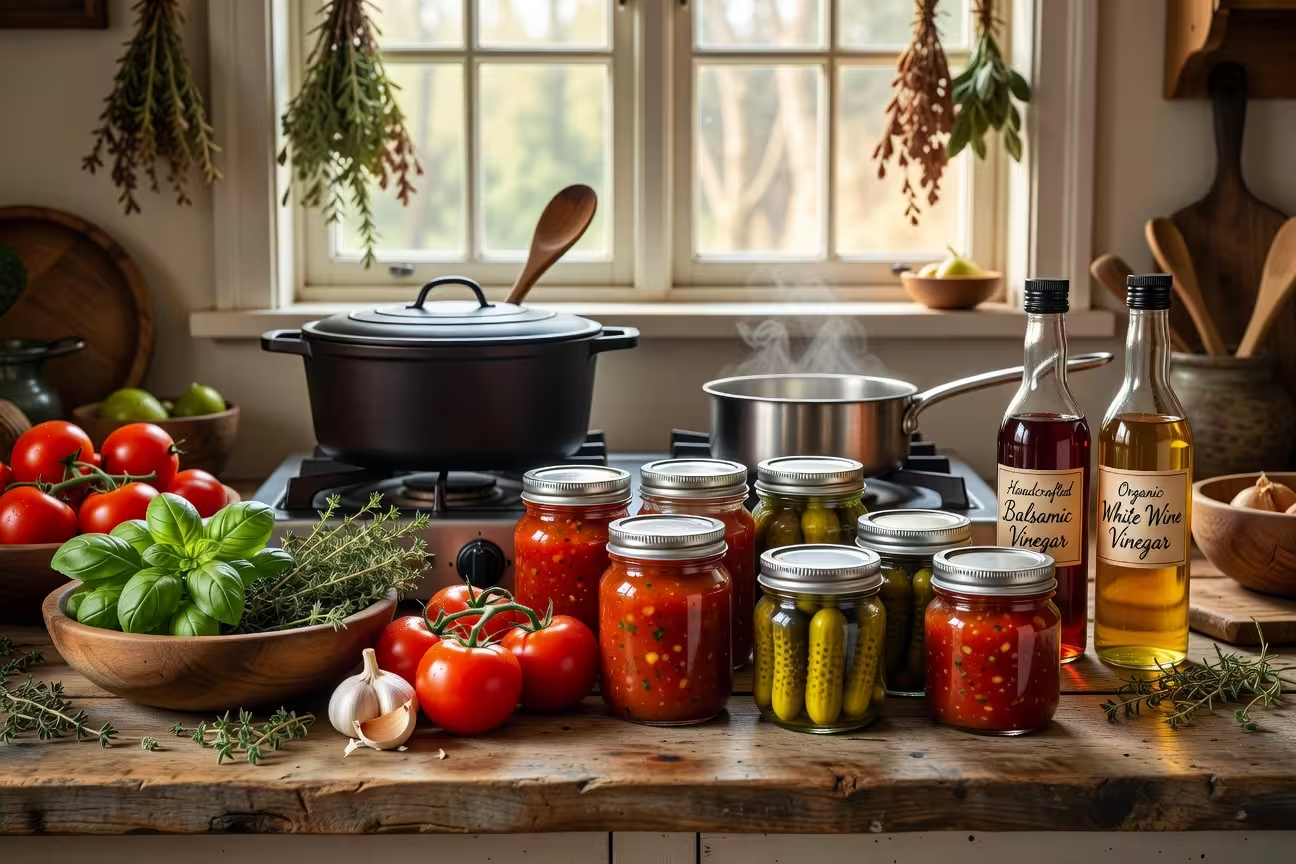
A beleza dos temperos caseiros está na simplicidade e na forma como nos conectam às tradições sazonais, como usar tomates colhidos no outono para um molho de massa robusto ou ervas da primavera para vinagretes vibrantes.
Por que fazer temperos do zero transforma sua cozinha
Quando comecei essa jornada, me perguntei se realmente valia a pena o esforço. Afinal, as prateleiras dos mercados estão repletas de todos os molhos imagináveis. Mas eis o que ninguém lhe conta: aqueles potes muitas vezes escondem ingredientes que não se alinham com os valores saudáveis que prezamos em nossos lares. Xarope de milho de alta frutose no molho barbecue, estabilizantes misteriosos no molho de salada, corantes artificiais no ketchup — essas adições não têm lugar em uma mesa onde você está nutrindo a saúde de sua família.
Fazer a sua própria comida permite que você personalize os sabores para as preferências exatas da sua família. Talvez você adicione um toque de mel para adoçar naturalmente ou frutas vermelhas frescas para um toque azedinho. Você não está apenas cozinhando; está preservando um pedaço da herança, como as mulheres pioneiras que conservavam seus próprios chutneys e picles para sustentar suas famílias durante os meses de inverno.
Uma mulher que está começando sua jornada em casa compartilhou como a troca para mostarda caseira economizou seu orçamento de supermercado e impressionou genuinamente seu marido em seu churrasco de verão. Só os elogios já fizeram os trinta minutos de esforço valerem a pena. Dito isso, nem toda leva sai perfeita no começo. Algumas podem ser muito avinagradas, outras muito sem graça. Mas isso faz parte do encanto – cada tentativa te ensina algo novo sobre o equilíbrio dos sabores e a compreensão dos ingredientes.
Ao experimentar, você descobrirá que essa prática se encaixa perfeitamente no contexto mais amplo movimento tradwife, onde a autossuficiência encontra o bem-estar do lar. É fortalecedor saber exatamente o que seus filhos estão comendo, e há uma satisfação profunda em servir refeições feitas inteiramente do zero.
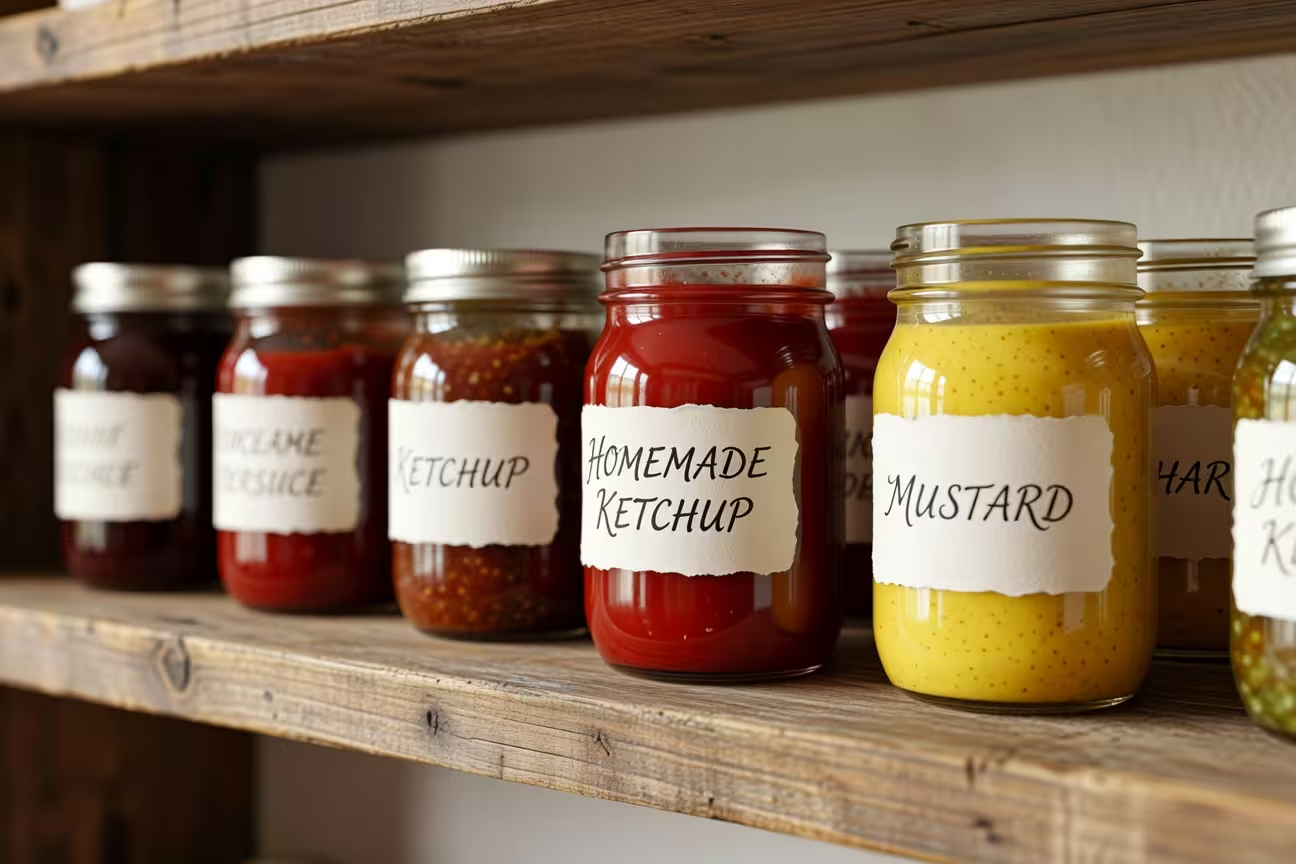
Ferramentas e ingredientes essenciais para condimentos caseiros
Começar pequeno é o segredo do sucesso, especialmente se este é um território novo para você. Você não precisa de equipamentos profissionais — uma batedeira planetária confiável ou até mesmo um batedor simples darão conta da maioria das receitas lindamente. Para armazenar suas criações, colecione potes de vidro com tampas que vedam bem. Potes vintage de brechós adicionam personalidade à sua despensa e funcionam tão bem quanto os novos.
Sua lista de ingredientes depende do que você está fazendo, mas certos itens básicos aparecem repetidamente. Alho fresco transforma molhos comuns em algo memorável. Vinagre de maçã Oferece aquele toque essencial enquanto proporciona benefícios à saúde. Abasteça sua despensa com temperos de qualidade — páprica, cominho, sementes de mostarda e ervas secas como orégano e tomilho. Não negligencie toques regionais: pimenta em pó para um ardor Sudoeste, xarope de bordo para glacês inspirados na Nova Inglaterra, ou mel de origem local para doçura natural.
Qualidade importa mais que quantidade. Opte por produtos orgânicos e especiarias quando seu orçamento permitir, mas não se estresse se nem sempre for possível. O que aprendi é que até os ingredientes básicos brilham quando manuseados com cuidado. Entre nós, minha ferramenta preferida é uma panela de fundo grosso para cozinhar em fogo baixo - ela evita queimar e desenvolve sabores mais profundos à medida que os molhos reduzem.
Um processador de alimentos agiliza o picote de vegetais para salsa ou relish, embora uma faca afiada e uma tábua de corte sirvam perfeitamente. Colheres medidoras garantem consistência de lote para lote. Para aqueles interessados em organizar todos esses novos suprimentos de forma eficiente, confira nosso guia sobre organização da cozinha para máxima eficiência.
Receitas simples de condimentos para dominar primeiro
Maionese caseira
Vamos começar com algo simples, porém impressionante: maionese caseira. Em uma tigela, misture duas gemas de ovo, uma colher de chá de mostarda em pó e um pingo de suco de limão. Aí vem a parte crucial — lentamente, e eu digo lentamente, regue com três quartos de xícara de óleo neutro, mexendo constantemente. A mistura se transformará diante dos seus olhos, engrossando até virar uma maionese cremosa e luxuosa. Tempere com sal a gosto.
Esta receita base é infinitamente personalizável. Adicione alho picado para aioli, ou ervas frescas para uma pasta inspirada na primavera. É melhor do que qualquer coisa da loja e contém apenas ingredientes que você consegue pronunciar.

Ketchup Clássico de Tomate
Em seguida, ketchup — um ingrediente básico que é surpreendentemente simples de fazer. Combine dois quilos de tomates frescos (ou enlatados se os tomates não estiverem na estação), uma cebola picada, três dentes de alho, meia xícara de vinagre de maçã, um quarto de xícara de mel e especiarias, incluindo páprica, canela e cravo. Cozinhe tudo por cerca de quarenta e cinco minutos até engrossar e ficar perfumado, depois bata até ficar homogêneo.
Um cenário que ficou comigo foi o de uma jovem dona de casa que preparou isso para os hambúrgueres de seus filhos. Ela viu os olhos deles brilharem ao provarem a diferença — mais doce, mais vibrante, mais com sabor de tomate do que qualquer coisa de uma garrafa plástica. Aquele momento capturou a essência do que estamos fazendo aqui: criando comida de verdade que nutre tanto o corpo quanto a alma.
Molho barbecue com toque regional
Agora é onde a criatividade brilha: molho barbecue. Comece com uma base de extrato de tomate, melaço, molho inglês e páprica defumada. A partir daí, personalize. Para um toque picante no estilo texano, adicione pimentas chipotle. Para o toque ácido da Carolina, aumente o vinagre. A doçura de Kansas City pede açúcar mascavo e um pouco mais de melaço.
Misture tudo em uma panela e cozinhe em fogo baixo por vinte minutos, mexendo ocasionalmente. Só o aroma já fará sua família entrar na cozinha perguntando o que está cozinhando. Este molho é perfeito para costelas de verão, porco desfiado ou até mesmo como base de pizza em vez do molho de tomate tradicional.
Temperos multiuso
Para conveniência diária, crie misturas de temperos personalizadas. Combine orégano seco, tomilho, manjericão, alho em pó e cebola em pó para uma mistura italiana. Misture pimenta em pó, cominho, páprica e pimenta caiena para um tempero do sudoeste. Guarde-os em pequenos potes rotulados com a data e o conteúdo.
Essas misturas economizam tempo em noites de semana corridas e eliminam aqueles ingredientes misteriosos encontrados em temperos comerciais. Além disso, elas rendem presentes atenciosos quando embaladas em latas vintage ou potes bonitos amarrados com barbante.
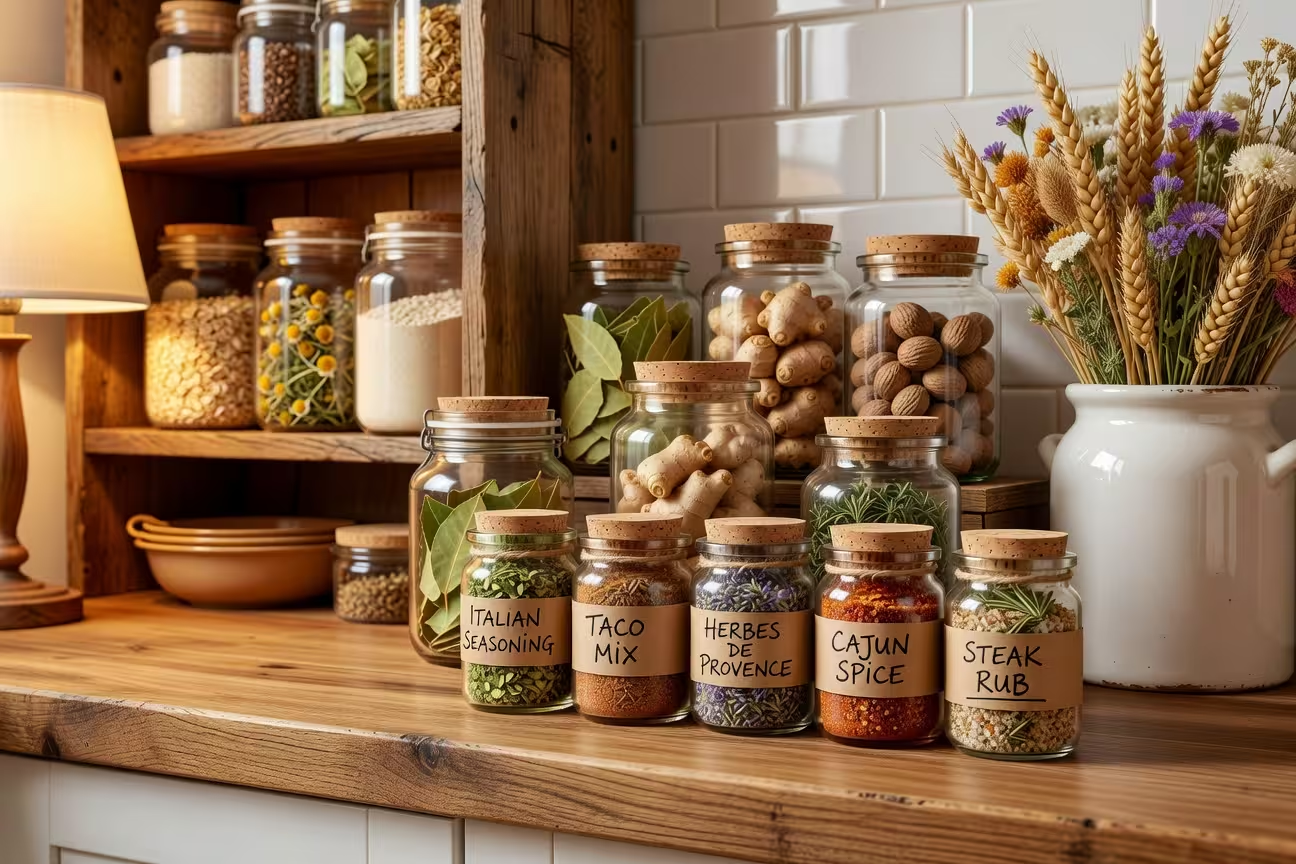
Métodos de armazenamento que mantêm condimentos frescos e seguros
O armazenamento adequado protege seu trabalho árduo e mantém sua família segura. A base é a esterilização — antes de encher os potes, ferva-os em água por dez minutos para eliminar qualquer bactéria. Deixe-os secar ao ar completamente antes de usar.
A maioria dos condimentos caseiros se conserva bem na geladeira por uma a duas semanas. Molhos à base de vinagre, como molho picante e mostarda, duram mais tempo, às vezes até um mês, graças à sua acidez natural que inibe o crescimento bacteriano. Itens à base de óleo, como maionese, exigem mais cautela – sempre refrigere imediatamente e use dentro de uma semana.
Para uma preservação mais longa, conserva em banho-maria é uma habilidade que vale a pena aprender. Este método tradicional, passado de geração em geração, permite que potes devidamente selados durem até um ano na despensa. Molhos à base de tomate, chutneys de frutas e conservas em conserva podem ser feitos com sucesso desta forma.
Frustrações comuns incluem molhos separando ou estragando rápido demais. Evite a separação garantindo que emulsões como maionese sejam bem batidas e todos os ingredientes estejam em temperatura ambiente antes de misturar. Não economize na acidez – vinagre e suco de limão não são apenas para dar sabor; são aliados na conservação. Uma vez, minha pasta de pimenta estragou porque esqueci de deixá-la esfriar completamente antes de tampar, o que criou condensação e incentivou o crescimento de mofo. Lição aprendida.
Etiquetar ajuda imensamente. Escreva o conteúdo e a data em cada pote, especialmente se você estiver experimentando variações. Ao compartilhar com amigos em eventos de "traga um prato", inclua uma pequena lista de ingredientes em caso de alergias. E não tenha medo de fermentar itens como relish de chucrute ou molho picante fermentado — eles adicionam benefícios probióticos e desenvolvem sabores complexos e ácidos que as versões compradas em lojas não conseguem igualar.
Personalizando receitas para as preferências únicas da sua família
Toda casa tem sua própria "impressão digital" de sabor. Talvez sua família ame molhos picantes com um toque do Sudoeste, ou talvez prefiram misturas suaves de ervas que remetem a jardins europeus. A beleza dos condimentos caseiros é que você começa com receitas base e ajusta sem medo.
Adicione mel ou xarope de bordo se seus filhos preferirem ketchup mais doce. Dobre o alho se for isso que faz os olhos do seu marido brilharem. Reduza o sal por motivos de saúde ou aumente as ervas para mais complexidade. Descobri que infundir azeite com alecrim da minha caixa de ervas no parapeito da janela transforma um simples vinagrete em algo especial para saladas de feriado.
Considere as necessidades alimentares sem estresse. Sem glúten? A maioria dos temperos se encaixa naturalmente, mas verifique se o molho inglês e o molho de soja são certificados sem glúten, se necessário. Controlando o consumo de açúcar? Troque o mel por adoçante à base de estévia ou reduza a quantidade gradualmente até encontrar o mínimo que sua família aprecia.
Aqui está a parte que a maioria das pessoas pula: envolver sua família no processo. Deixe as crianças ajudarem a medir especiarias para misturas de temperos ou a provar diferentes versões de molho barbecue. Esses momentos criam memórias preciosas e ensinam de onde vem a comida de verdade. Minha filha agora pede especificamente o “nosso” ketchup, e esse orgulho no que criamos juntos significa mais do que qualquer conveniência comprada em loja.
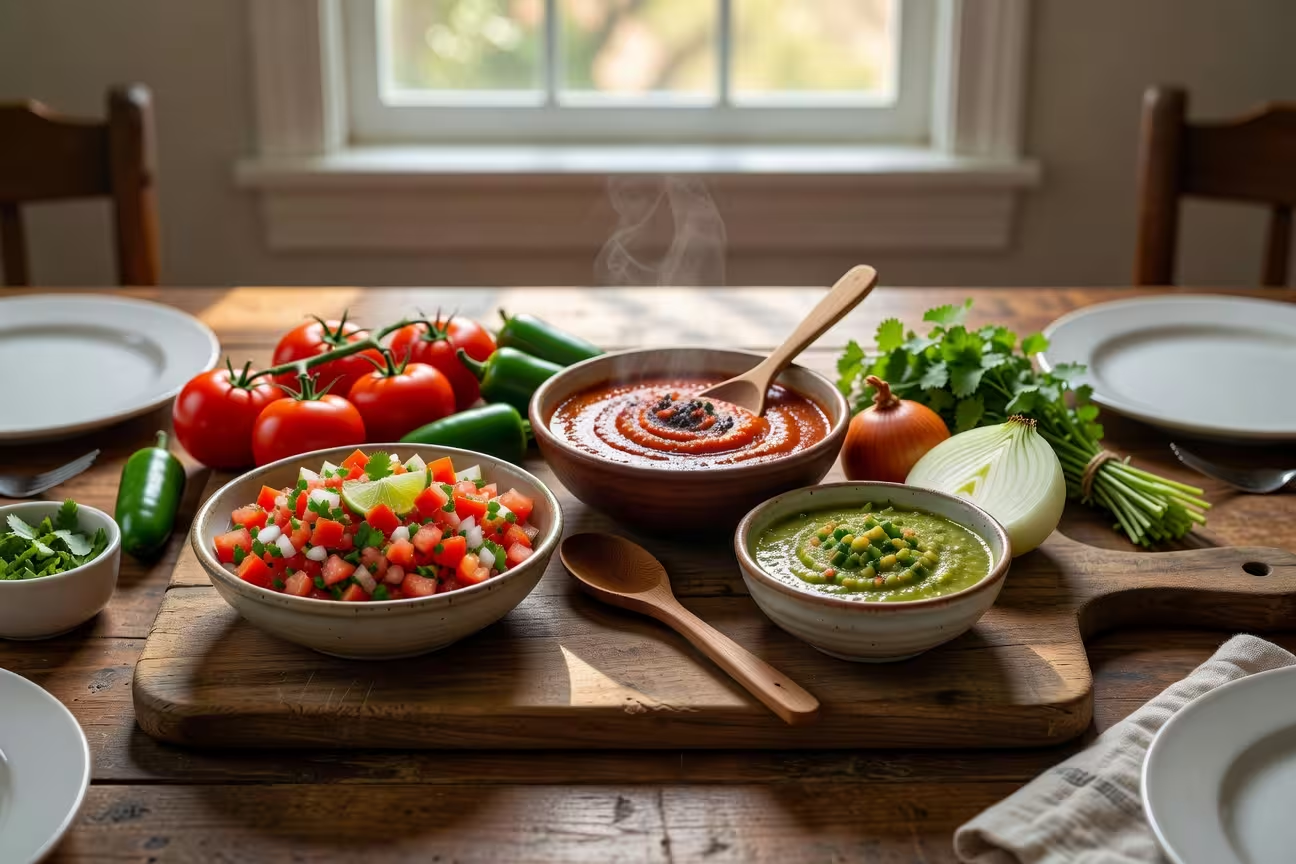
A sazonalidade também mantém as coisas interessantes. O verão traz tomates frescos para salsa e manjericão para pesto. O outono oferece maçãs para chutneys e abóboras para pastas temperadas. As frutas cítricas do inverno fazem marmeladas vibrantes, enquanto as ervas da primavera criam chimichurris vivazes. Seguir as estações não garante apenas o sabor máximo, mas conecta sua culinária ao ritmo natural do ano.
Escalando para feriados, presentes e cozimento em lotes
Quando as festas de fim de ano se aproximam, eu multiplico minhas receitas. Grandes quantidades de molho de cranberry, mostarda apimentada ou óleos aromatizados rendem presentes atenciosos que os amigos realmente apreciam. Embrulhe-os em potes antigos amarrados com retalhos de tecido ou barbante para aquele charme caseiro que não se compra.
Para eficiência no dia a dia, cozinhar em lotes transforma sua semana. Faça uma grande quantidade de molho marinara e congele porções em potes, deixando espaço para expansão. Bata manteiga de ervas e congele em formas de gelo - retire-as para finalizar pratos de massa ou derreta sobre vegetais. Prepare várias misturas de temperos de uma vez e guarde-as em pequenos recipientes para acesso rápido.
Um exemplo real me marcou: uma mulher que decidiu se dedicar integralmente ao lar compartilhou como dedicar uma tarde de domingo à produção de molhos facilitou seu mês inteiro. Ela preparava molho de tomate, pesto e molhos para salada em grande quantidade, liberando horas durante a semana para tempo com a família em vez de correria na cozinha. Essa abordagem não é sobre perfeição; é sobre trabalhar de forma mais inteligente dentro da vida que você escolheu.
Ao redimensionar receitas, mantenha as mesmas proporções, mas observe os tempos de cozimento — volumes maiores levam mais tempo para reduzir e engrossar. Invista em panelas maiores se você costuma fazer lotes de um galão. E lembre-se, essa abundância permite que você compartilhe generosamente, seja com vizinhos, reuniões da igreja ou como parte da construção de conexões comunitárias.
Esses toques pessoais tornam sua cozinha o coração do lar, alinhando-se aos valores mais profundos que exploramos em nosso Página de valores. Há uma alegria profunda em saber que a comida que adorna sua mesa veio de suas mãos, de seu cuidado, de sua dedicação em nutrir aqueles que você mais ama.
Se você achou este guia útil e quer se conectar com outras mulheres nesta jornada, convido você a participar do nosso Comunidade Tradwife Club onde compartilhamos receitas, dicas de solução de problemas e encorajamento enquanto recuperamos juntas as artes perdidas do artesanato doméstico tradicional.
Perguntas frequentes
Quanto tempo duram condimentos caseiros em comparação com os comprados em loja?
A maioria dos molhos caseiros refrigerados permanecem frescos por uma a duas semanas, enquanto os adequadamente enlatados podem durar até um ano na despensa. Sem conservantes comerciais, eles têm uma vida útil menor, mas a compensação é saber exatamente quais ingredientes sua família está consumindo. Sempre verifique se há sinais de deterioração, como cheiros estranhos, mofo ou alterações na textura, e use utensílios limpos a cada vez para prolongar a frescura.
E se eu não tiver equipamentos de cozinha sofisticados?
Você não precisa absolutamente de ferramentas caras para começar a fazer conservas. Itens básicos como um batedor de arame, uma panela pesada e uma faca afiada dão conta da maioria das receitas maravilhosamente. Muitas donas de casa começam apenas com esses itens essenciais e gradualmente adicionam ferramentas como um processador de alimentos ou um mixer de imersão à medida que ganham confiança e descobrem o que usarão regularmente. As mulheres pioneiras que preservavam alimentos para suas famílias certamente não tinham aparelhos modernos, e seus métodos ainda funcionam perfeitamente hoje.
Existem receitas infalíveis para iniciantes completos?
Com certeza. Comece com misturas simples de temperos de ervas misturando especiarias secas em uma tigela — praticamente nada pode dar errado. A partir daí, experimente mostarda básica apenas com vinagre, sementes de mostarda e água, que é tolerante a erros e leva apenas alguns minutos para preparar. Mistura de temperos para ranch, mistura de ervas italianas e vinagretes simples também são excelentes pontos de partida que aumentam sua confiança antes de encarar emulsões ou molhos cozidos mais complexos.
Como posso tornar condimentos caseiros mais saudáveis que as versões comerciais?
A maior vantagem é o controle total dos ingredientes. Evite xarope de milho de alta frutose, corantes artificiais e estabilizantes misteriosos encontrados em produtos de supermercado. Use adoçantes naturais como mel ou xarope de bordo em menores quantidades, adicione vegetais extras para nutrição e volume, escolha óleos de alta qualidade e ajuste os níveis de sal às necessidades da sua família. Você também pode aumentar o valor nutricional adicionando alho fresco para suporte imunológico ou elementos fermentados para a saúde intestinal — opções que nunca são encontradas em produtos produzidos em massa.
Posso vender meus temperos caseiros para ganhar uma renda extra?
Isso depende inteiramente das leis de alimentos caseiros do seu estado, que variam significativamente em todo o país. Alguns estados permitem vendas em pequena escala em feiras ou diretamente aos consumidores sem requisitos de cozinha comercial, enquanto outros têm regulamentos mais rigorosos. Pesquise suas leis locais cuidadosamente e sempre priorize a rotulagem adequada com ingredientes, avisos de alérgenos e informações de contato. Muitas donas de casa começam presenteando suas criações e medem o interesse antes de buscar os requisitos legais para venda.
Qual a forma mais econômica de adquirir ingredientes de qualidade?
Compre a granel em seções de especiarias e ervas secas, que custam uma fração das versões em potes. Cultive suas próprias ervas em uma horta de peitoril de janela ou em um pequeno canteiro externo – manjericão, orégano e tomilho prosperam com o mínimo de cuidado. Visite feiras livres perto da hora de fechar, quando os vendedores oferecem descontos em produtos. Compre tomates, pimentões e frutas na época de pico, quando os preços caem, e preserve-os para uso durante todo o ano. Construir relacionamentos com agricultores locais às vezes leva a descontos em volume ou a produtos de segunda linha – frutas e vegetais levemente imperfeitos que funcionam perfeitamente para molhos e custam muito menos.
Leitura relacionada: Como Manter os Pisos Limpos com Crianças | A Mulher de Provérbios 31: Um Guia da Mulher Tradicional Moderna