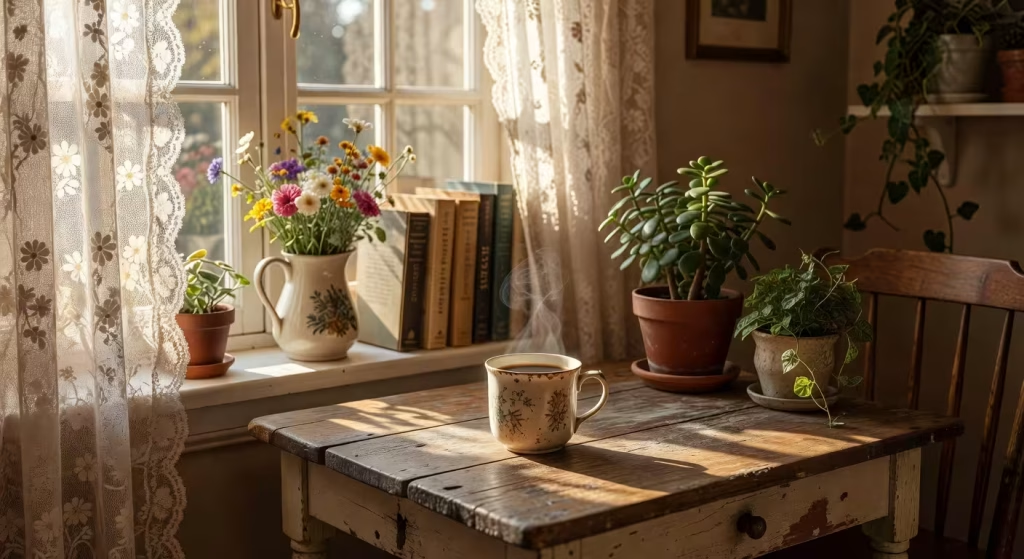
Imagine waking to soft light filtering through lace curtains, the aroma of fresh coffee brewing, and a quiet moment to whisper thanks for the simple joys ahead. That’s how many of us start our days—grounded in gratitude before the bustle begins. Whether you’re folding laundry, planning meals, or tending your home, daily gratitude transforms ordinary routines into sacred rituals that anchor us in purpose and peace.
In our tradwife lifestyle, gratitude isn’t just a trending hashtag—it’s a spiritual practice that deepens our connection to home, family, and the life we’ve chosen. From the changing seasons that remind us to slow down to the heirlooms we polish with care, gratitude invites us to see the divine in the everyday.
Why gratitude feels like coming home
There’s something profoundly comforting about pausing to count your blessings, especially when the world rushes by. Gratitude grounds us, turning potential frustrations—the never-ending laundry, the budget stretching—into opportunities to appreciate what we have.
Many women share how this practice transforms their daily experience. A Southern homemaker journals thanks for her garden’s harvest. A Pacific Northwest mom finds peace in rainy days spent reflecting indoors. Gratitude doesn’t ignore challenges—it shifts our focus, turning resentment into appreciation for the role we’ve embraced.
In my own kitchen, surrounded by cast-iron skillets passed down through generations, gratitude connects me to my roots. It’s cherishing heirlooms, gathering family around the table, giving thanks freely. This practice builds resilience too. One woman struggling with isolation after leaving her career started noting three daily blessings each evening—it slowly rebuilt her sense of purpose and belonging.
Here’s what nobody tells you: gratitude is spiritual without needing rigid structure. For some, it’s tied to faith—a quiet prayer over morning tea. For others, it’s simply acknowledging beauty in a well-made bed or children’s laughter echoing through the house. Either way, it enhances the intentional life we’re building, much like the aesthetic choices that make our homes sanctuaries.

Starting small: your first steps into daily gratitude
Don’t overwhelm yourself with elaborate systems. Begin with what feels natural—perhaps during your morning routine or while preparing dinner. Many women find that a simple notebook works wonders, nothing fancy required.
Jot down one thing you’re grateful for while sipping coffee from your favorite mug. Notice the abundance while organizing your kitchen or preparing seasonal meals. One Midwest mom shared how pausing during summer canning to thank the harvest turned exhaustion into fulfillment—especially when her husband noticed her brighter mood.
Between you and me, consistency matters more than perfection. Tie gratitude to existing routines: holiday preparations where thankfulness flows naturally, morning devotions, or evening wind-downs. Some women keep gratitude jars, filling them with notes throughout the year. Others prefer mental lists while folding laundry or washing dishes.
The key is finding your rhythm. What works for a busy mom of four might differ from someone just beginning her homemaking journey. Start small, and let the practice grow organically. Soon you’ll notice how it deepens your daily experience, adding richness to even mundane tasks.

The spiritual depth: beyond surface-level thanks
Gratitude as a spiritual practice goes deeper than listing niceties. It cultivates a heart that sees the sacred in the ordinary—sunlight dancing on fresh linens, the warmth of a wood stove on a cold morning, the satisfaction of a well-stocked pantry providing for your family.
Some women connect gratitude directly to their faith, weaving it through scripture reading and prayer. Others approach it as secular mindfulness, focusing on presence and appreciation without religious framing. Both paths are valid, and many find their practice evolves over time.
What makes gratitude truly transformative is its power to strengthen relationships. When we express genuine appreciation for our husband’s efforts—the way he provides, protects, or simply listens after a long day—it deepens our bond. One couple shared how the wife’s practice of thanking her husband for specific actions, inspired by understanding what makes a strong partnership, completely transformed their marriage dynamic.
Gratitude also connects us to something larger than ourselves. Whether you see that as divine providence, natural rhythms, or the wisdom of generations before us, this practice roots us in continuity. During holiday preparations when the house smells of pine and cinnamon, or quiet summer evenings on the porch, gratitude invites deeper reflection on our place in the world.
According to research from the Greater Good Science Center at UC Berkeley, regular gratitude practice has been scientifically linked to improved well-being, stronger relationships, and greater life satisfaction—benefits that align perfectly with our homemaking values.

Overcoming common hurdles in your gratitude journey
Let’s be honest—not every day feels grateful. Dinners flop, children test boundaries, budgets stretch thin, and floors get muddy right after mopping. These moments are real, and pretending otherwise helps no one.
When gratitude feels forced, try switching formats. Instead of journaling, share verbal thanks at dinner. Focus on specifics rather than generalities: appreciate the bulk purchase that stretches your budget, the thrift store find that completes a room, the neighbor who dropped off garden tomatoes. Small, concrete blessings are easier to recognize than vague positivity.
For those in busy seasons—new babies, homeschooling challenges, caring for aging parents—adapt your practice. Thank the quiet moments stolen amid chaos. Appreciate help when it comes. Acknowledge your own efforts in keeping the household running.
Involving your family can reignite your own practice too. Make gratitude a game during seasonal activities, teaching children early on. Share one blessing each at dinner, no matter how simple. This creates a culture of appreciation that lifts everyone, especially on difficult days.
If you’re facing persistent challenges or need encouragement, our community offers a supportive space to share struggles and victories with women who understand this lifestyle from the inside.

Making it last: habits that stick for the long haul
Building a lasting gratitude practice requires gentle intention, much like tending a garden through changing seasons. The goal isn’t perfection but persistence—creating a rhythm that sustains you through years of homemaking.
Review your gratitude notes weekly, perhaps on Sunday evenings while planning the week ahead. This reflection reinforces the practice and helps you notice patterns—maybe you’re especially grateful for relationships, nature, creative projects, or quiet moments. Understanding what fills your cup helps you prioritize it.
Variety keeps the practice fresh. One day, focus on sensory gratitude—soft linens, warm bread, children’s laughter. Another day, appreciate people—a friend’s encouragement, your husband’s steadiness, a mentor’s wisdom. Rotate through different categories to prevent monotony.
Tying gratitude to your home’s aesthetic can make it more inviting. Keep a beautiful journal in a dedicated corner, use a vintage jar for gratitude notes, or create a seasonal gratitude board with your children. When making fermented foods or homemade condiments, pause to appreciate the abundance and skill you’re developing.
For deeper exploration of spiritual homemaking practices, check out our curated reading list—many titles include thoughtful chapters on cultivating gratitude alongside domestic skills.
Ultimately, this practice becomes part of your legacy. Imagine your children carrying gratitude into their own homes someday, a golden thread of thankfulness woven through generations. That vision alone is worth nurturing the habit today.
Ready to deepen your gratitude practice and connect with other women walking this path? Join thoughtful conversations and share your journey in the Tradwife Club community, where we support each other in building homes filled with intention, beauty, and thankfulness.
Frequently asked questions
How do I start a daily gratitude practice if I’m not particularly spiritual?
Start with the basics—note three tangible things you appreciate each day without any religious context. Focus on concrete joys like a warm meal, comfortable home, or helpful neighbor. Many women find it naturally evolves into a form of mindfulness that fits their personal beliefs, whether that’s secular appreciation or something more spiritual over time.
What if I forget to practice gratitude some days?
Give yourself grace—consistency comes through gentle persistence, not perfection. Set simple reminders like tying the practice to your evening routine or morning coffee. Even sporadic gratitude builds the habit over time, and missing days doesn’t negate the benefits you’ve already gained.
Can gratitude help with homemaking burnout?
Absolutely. By shifting focus from overwhelm to appreciation—thanking small wins like a tidy kitchen or successful dinner—gratitude reduces stress and reignites joy in daily tasks. Many women report it makes the tradwife lifestyle feel more sustainable by highlighting meaning in routine work.
How do I involve my family in gratitude practices?
Incorporate it into existing family routines—share one thankful moment at dinner, during bedtime prayers, or holiday traditions. This strengthens family bonds and teaches children appreciation early on, turning gratitude into a cherished ritual rather than a solitary exercise.
Is there a best time of day for practicing gratitude?
Mornings work well for setting a positive tone, while evenings help reflect on the day’s blessings. Experiment to discover what fits your rhythm—many prefer evenings after children are in bed because it promotes restful sleep and peaceful closure to the day.
Do I need special tools or journals for tracking gratitude?
Simple notebooks or phone notes work perfectly fine—the practice matters more than the tool. Some women enjoy aesthetic journals that complement their home decor, but avoid overcomplicating it. Start with whatever you have on hand and upgrade later if you want something more beautiful.