 Written by
 The sun filters through lace curtains, casting morning light across your bedroom. You smooth the sheets, fluff the pillows, and step back to admire your work. This quiet ritual—making your bed—sets the tone for a day filled with purpose and grace. For those of us embracing the mode de vie tradwife, this simple act becomes far more than a household chore; it’s the foundation of an intentional home.
Whether you’re starting your homemaking journey or refining your daily routines, learning to make the perfect bed transforms your bedroom into a true sanctuary. This morning practice grounds your day, creates visual calm, and demonstrates the quiet power of tending your home with care. Let’s walk through exactly how to master this cornerstone habit.
Why making your bed matters more than you think
Making your bed each morning isn’t about achieving magazine-perfect aesthetics. It’s about claiming ownership of your space and starting the day with intention. In a world that constantly pulls us in countless directions, this becomes one area where we exercise complete control.
Research from the National Sleep Foundation shows that people who make their beds regularly report better sleep quality and more productive mornings. Beyond the statistics, this practice signals to your mind that nighttime has ended and your purposeful day has begun. When you return home after running errands or picking up children from school, walking into a bedroom with a beautifully made bed feels like receiving a warm embrace.
The psychological benefits extend further than many realize. One woman in our community shared how her husband noticed the difference immediately—their bedroom felt more peaceful, which sparked sweeter evening conversations and a deeper sense of partnership. These small acts of homemaking ripple outward, strengthening your marriage and creating an atmosphere where family life flourishes.
That said, some mornings prove challenging. A teething toddler, late-night holiday preparations, or simply exhaustion might derail your routine. Grant yourself grace on these days. What matters most is consistency over perfection. As you build this habit, it becomes as natural as brewing your morning coffee, woven seamlessly into your daily rhythm.

Selecting bedding that suits your home and budget
Your bedding creates the foundation for a beautifully made bed. Quality matters, but so does affordability—you don’t need to spend hundreds to achieve that welcoming look. After years of experimenting with everything from thrift store finds to carefully chosen investments, I’ve learned which choices deliver the best results.
Cotton percale sheets offer that crisp, cool feel perfect for warmer climates or summer months. For year-round versatility, look for 100% cotton with a thread count between 300 and 400. Higher isn’t always better; extremely high thread counts often indicate lower-quality, twisted fibers. Natural materials breathe better than synthetics, which tend to pill and trap heat.
When choosing colors and patterns, consider your overall home aesthetic. Neutrals—soft whites, warm beiges, gentle grays—create a timeless foundation you can dress up seasonally with throws and accent pillows. If you’re drawn to cottagecore charm, incorporate vintage-inspired florals or gingham patterns that evoke a 1950s farmhouse feel.
My personal approach centers on simplicity: crisp white cotton sheets that withstand frequent washing, paired with seasonal layers. A chunky knit throw for winter, a lightweight quilt for spring. This strategy keeps laundry manageable while allowing your bedroom to evolve with the seasons. Budget-friendly retailers like Target and Costco offer surprisingly durable options, while Etsy provides handmade pieces if you’re seeking something special.
Don’t overlook pillows in your bedding strategy. A combination of firm and soft pillows creates that layered, inviting appearance without overwhelming your bed. Standard sleeping pillows, decorative shams, and perhaps one or two euro pillows build visual interest. The key is editing—three to five pillows typically suffice for a queen or king bed.
The step-by-step morning bed-making routine
Let’s get practical. A well-made bed follows a simple process that becomes muscle memory with practice. The entire routine takes five to seven minutes once you’ve established your rhythm.
Start with the fitted sheet
Strip your bed completely for weekly washing, but for daily bed-making, begin by straightening what’s already there. Give the fitted sheet a firm tug at each corner, ensuring it sits smoothly across the mattress without wrinkles. If you notice sagging, your sheet might not match your mattress depth—deep-pocket fitted sheets solve this common frustration.

Master the hospital corner technique
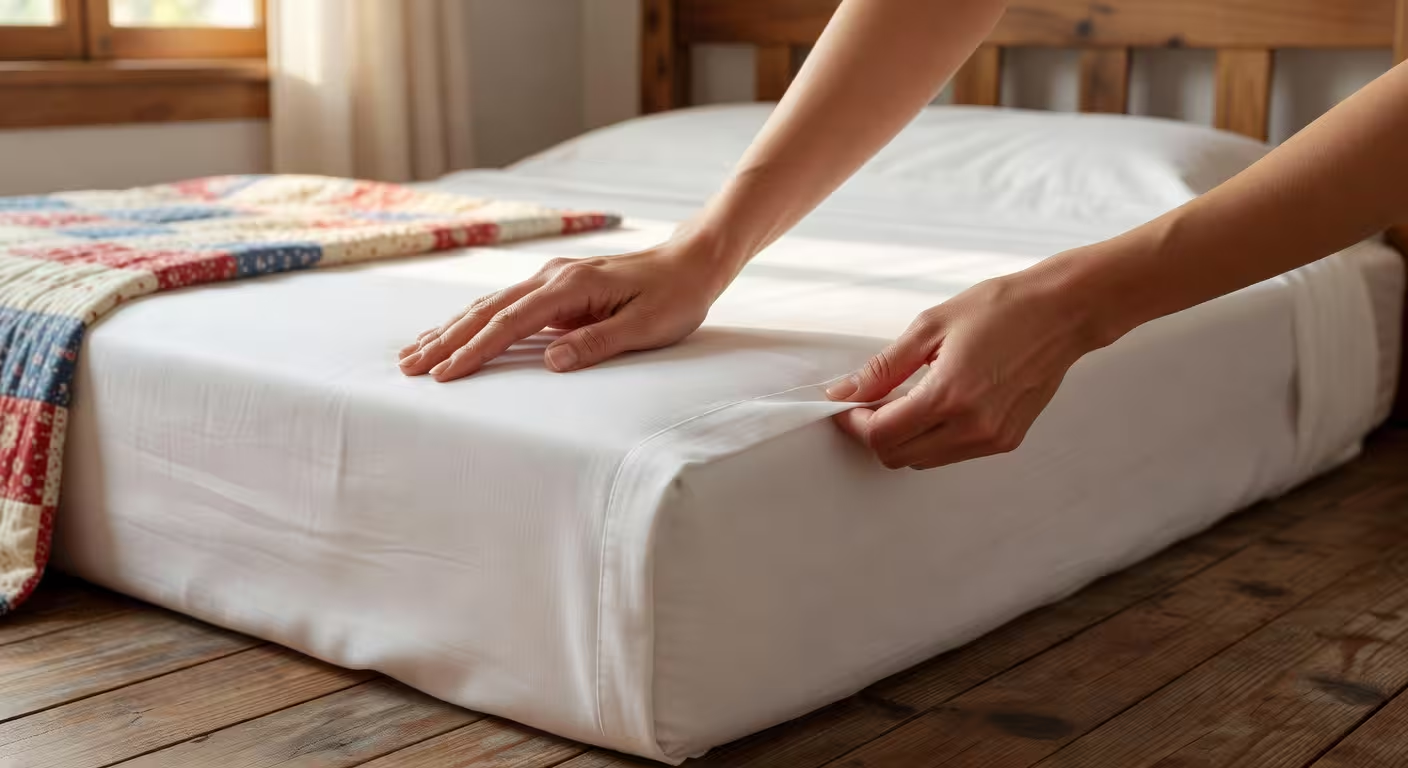
For your flat sheet, drape it evenly across the bed with equal overhang on both sides. The hospital corner creates that crisp, professional look. At the foot of the bed, lift the mattress edge slightly and tuck the sheet underneath. Take the excess fabric hanging at the side, pull it taut at a 45-degree angle, then fold it down and tuck it under the mattress. Repeat on the opposite side.
This technique keeps your sheets tight throughout the night and creates clean lines that elevate the entire appearance. At the head of the bed, leave a generous fold-over—about six to eight inches—for that inviting turndown effect.
Layer your blankets and duvet
Place your blanket or coverlet next, smoothing it across the bed. If using a duvet, give it a good shake to redistribute the filling evenly, then center it on the bed. I prefer leaving about six inches at the top to show the folded sheet beneath, but this comes down to personal preference. Some women fold their duvet at the foot of the bed for a more casual, lived-in look.
Arrange pillows with purpose
Pillows complete the look. Start by placing your sleeping pillows against the headboard. Add decorative shams in front, then finish with one or two accent pillows. The arrangement should feel balanced without appearing overly staged. If you’re organizing your home for efficiency, keep extra decorative pillows to a minimum—they shouldn’t create clutter or demand excessive daily handling.
Some mornings, I play soft music while making the bed—folk or classical pieces that set a peaceful tone. Other days, I involve my children, turning it into a quick game that teaches responsibility. The routine adapts to your life rather than constraining it.
Common bed-making mistakes and simple solutions
Even with the best intentions, certain pitfalls trip up many of us. The most frequent mistake? Rushing through the process. Those extra thirty seconds spent smoothing wrinkles make a visible difference in the final result. Treat this as a meditative practice rather than another item to check off your list.
Mismatched sheet sizes create frustration. Measure your mattress depth before purchasing fitted sheets, especially if you use a mattress topper. Standard sheets fit mattresses up to 15 inches deep, while deep-pocket versions accommodate 16 to 22 inches. This small detail prevents that constant battle with corners popping loose.
Over-layering your bed creates visual clutter rather than inviting calm. Stick to three main layers: fitted sheet, flat sheet, and a duvet or coverlet. Additional throws can be draped at the foot for texture, but resist the urge to pile on excessive blankets that make the bed feel heavy and complicated.
Washing bedding too infrequently leads to that dingy, lived-in appearance no amount of careful making can overcome. Aim for weekly sheet changes, washing in hot water to eliminate dust mites and body oils. This maintains that fresh, crisp feeling that makes climbing into bed each night a pleasure.
If you share your bedroom with pets, train them gently or close the door during the day. Many women find success using a lightweight throw over their duvet—it protects the main bedding and can be quickly removed when guests visit. The goal is working with your life’s realities rather than fighting against them.
Building a bed-making habit that lasts
Habits form through consistency and positive reinforcement. Pair your bed-making routine with something enjoyable—perhaps savoring your first cup of coffee or listening to a favorite podcast. This creates a pleasant association that makes the practice feel less like a chore and more like self-care.
Track your progress for the first month. You might use a simple calendar checkmark or note in your journal. Seeing that visual record of consistency builds momentum. Many women report that after three to four weeks, making the bed becomes automatic, requiring no conscious decision-making.
Adapt your approach seasonally. Summer calls for lighter linens—perhaps just a flat sheet and lightweight coverlet. Winter invites heavier quilts and flannel sheets that create cozy warmth. These seasonal transitions keep the routine fresh and align your home with natural rhythms throughout the year, much like planning traditional holiday meals that honor the seasons.
One mother shared how she began this practice shortly after having her second child. Amid the chaos of early motherhood, making her bed became a small victory that reminded her of her identity beyond diapers and feeding schedules. This simple act restored her sense of control and created a peaceful retreat she could return to throughout demanding days.
The beauty of this practice lies in its ripple effects. A made bed often inspires tidying the nightstand, which leads to a quick sweep of the floor, which creates momentum for tackling other homemaking tasks. You’re not just making a bed—you’re cultivating an environment where you and your family thrive.
Bringing it all together
Making the perfect bed each morning represents far more than achieving pristine corners and fluffed pillows. This daily practice embodies the values at the heart of intentional homemaking: creating beauty in ordinary moments, establishing rhythms that ground your family, and demonstrating love through faithful attention to your domestic sphere.
As you develop this habit, extend yourself grace on imperfect days. The goal isn’t Instagram-worthy perfection but consistent care for your home and, by extension, yourself. Start where you are, with whatever bedding you currently own, and refine your approach over time. Each morning offers a fresh opportunity to practice this small act of homemaking excellence.
We’d love to hear how bed-making fits into your daily routines. Share your experiences, challenges, and victories with other women walking this path in the Communauté du club Tradwife. Together, we’re rediscovering the profound impact of these traditional practices in creating homes filled with peace, purpose, and beauty.
Foire aux questions
How long should making a bed take each morning?
With practice, making your bed should take between five and seven minutes. When you’re first establishing the routine, allow extra time to avoid rushing. As the process becomes automatic, you’ll naturally work more efficiently while maintaining quality results.
What’s the best way to handle pets that mess up the bed?
Close your bedroom door during the day if possible, or train pets to stay off the bed with gentle, consistent boundaries. A washable throw placed over your duvet protects the main bedding and can be quickly removed or washed as needed without disrupting your entire bed.
Are expensive sheets really worth the investment?
Quality sheets last longer and feel more comfortable, but budget-friendly options from retailers like Target or Costco perform well for most households. Focus on natural fibers like 100% cotton with a thread count between 300 and 400 rather than chasing premium brands. Thrift stores often yield high-quality sheets at fraction of retail prices.
How do I master hospital corners on my sheets?
Tuck the sheet under the mattress at the foot of the bed, then lift the overhanging fabric at a 45-degree angle. Fold this raised portion down onto the mattress and tuck it underneath. Practice makes perfect—within a week of daily repetition, the technique becomes second nature and adds that polished, professional appearance.
Is it okay to make the bed later in the day instead of first thing?
While morning bed-making offers the most psychological benefits for starting your day intentionally, making your bed later is far better than not making it at all. Choose a consistent time that works with your schedule, whether that’s after breakfast or once children leave for school.
How often should I change my seasonal bedding?
Transition your bedding with the seasons—lighter cotton or linen for spring and summer, flannel or heavier quilts for fall and winter. This keeps your bedroom feeling fresh and aligned with the natural year. Many women make these changes during traditional spring and fall cleaning times, creating a ritual that marks seasonal transitions.
Further Reading: For more context, see Bed making techniques on Wikipedia for background on proper bed-making techniques.