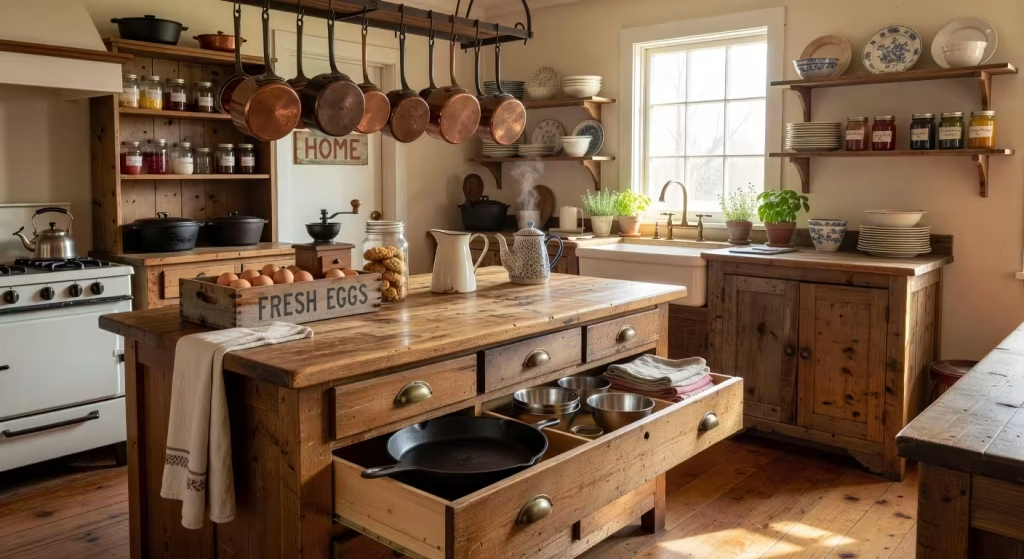
Picture this: it’s a crisp autumn morning, and you’re pulling out your cast-iron skillet from a perfectly arranged drawer, ready to whip up a batch of apple cinnamon pancakes for the family. No fumbling through cluttered cabinets, no wasted time searching for that elusive spice jar. That’s the magic of an efficient kitchen, and as someone who’s spent years turning my own space into a haven of order, I can tell you it’s transformative for any homemaker. A well-organized kitchen isn’t just about aesthetics — it’s about reclaiming time, reducing stress, and honoring the tradwife values of intentional living and service to your family.
In this guide, we’ll walk through practical steps to organize your kitchen, drawing from real conversations bubbling up in homemaking communities. Women across the country are sharing how they’ve reclaimed their spaces amid busy family lives, and I’ll weave in those insights to help you create a setup that flows as smoothly as your Sunday dinner routine. Whether you’re working with a cozy galley kitchen or a sprawling farmhouse space, these principles will help you build a system that lasts.
Why kitchen efficiency matters in a traditional home
Let’s be honest: as homemakers, our kitchens aren’t just rooms where we cook. They’re the beating heart of our homes, where we nourish our families with meals made from scratch and create memories around the dinner table. But when chaos reigns — think overflowing pantries, mismatched containers tumbling out, utensils scattered across drawers — it steals precious time we could spend on what truly matters. Time with our children. Moments of connection with our husbands. Tending to the garden or pursuing our creative hobbies.
An organized kitchen isn’t about achieving Pinterest perfection. It’s about creating rhythms and systems that support our values and empower us to live more intentionally. One homemaker recently shared how reorganizing her space cut her meal prep time in half, freeing her up for quality moments with her family. Another described the quiet confidence she felt knowing her domain was ready for anything — from weeknight dinners to spontaneous holiday gatherings.
The truth is, efficiency in the kitchen allows us to practice better stewardship of our time, energy, and resources. When everything has a place and systems run smoothly, we’re not just cooking meals — we’re cultivating an environment of peace and order that ripples through our entire home. And that kind of atmosphere? It’s priceless for our families.
Don’t rush into a complete overhaul overnight. Start small, maybe with a single drawer or cabinet, and build from there. Give yourself grace during the process. Sustainable change happens gradually, and that’s perfectly okay.
Decluttering: the essential foundation
Before you invest in a single storage container or label maker, you need to purge. This is where most kitchen organization projects succeed or fail. I’ll be honest — when I tackled my own kitchen years ago, I discovered gadgets I hadn’t used since we moved, inherited serving pieces that didn’t fit our lifestyle, and duplicate items hiding in the back of cabinets.
Homemakers everywhere struggle with this exact issue: holding onto items “just in case” that ultimately create more clutter than convenience. One woman shared her story about inherited china that clashed with her daily aesthetic. She kept a few cherished pieces for special occasions and donated the rest, transforming her cabinets from cramped to spacious overnight.
Here’s how to approach it effectively. Empty everything out onto your kitchen table or counters — yes, everything. Sort items into three categories: keep, donate, and toss. Be ruthless but gracious with yourself. If that novelty mug hasn’t been used in a year, it’s taking up space that could house tools you actually love and use regularly.
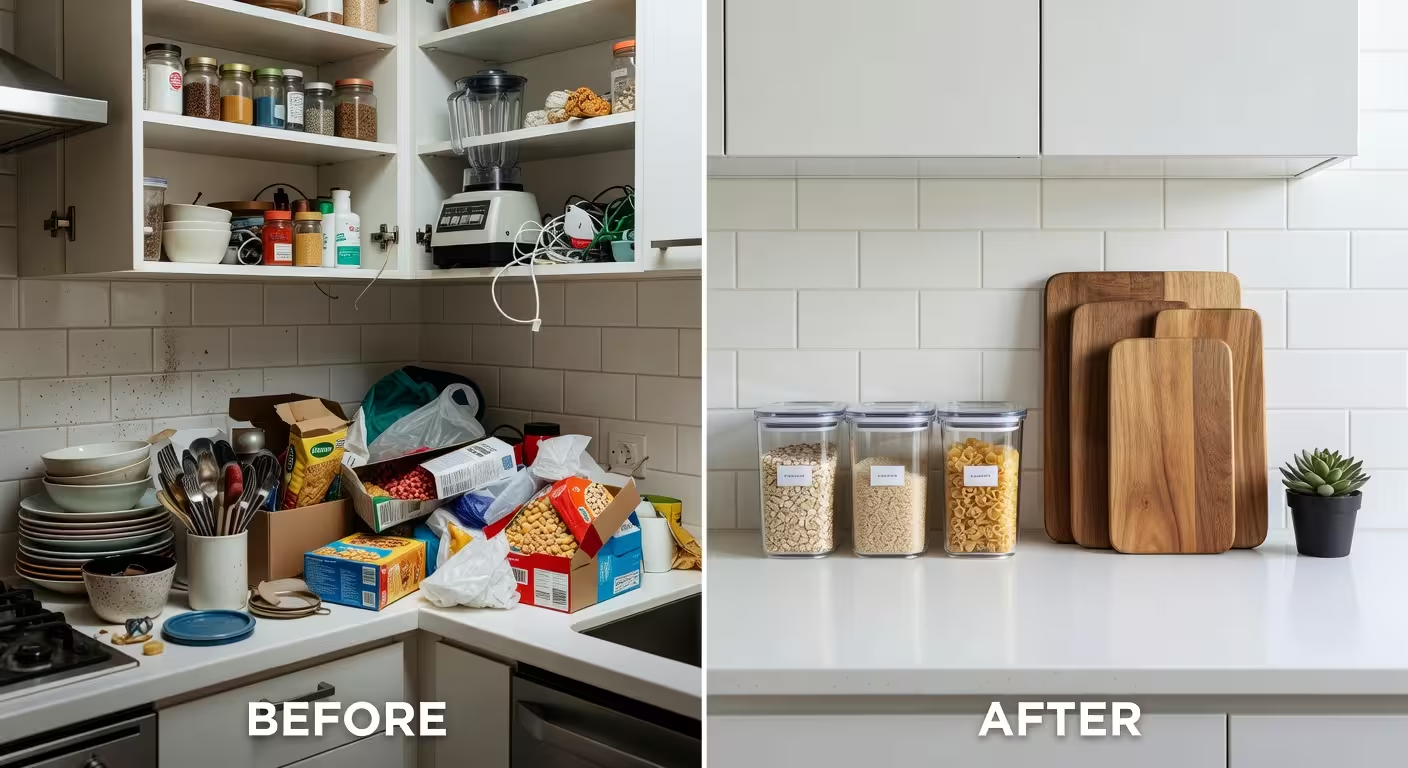
Ask yourself these questions for each item: Do I use this regularly? Does it serve a specific purpose? Do I have multiples of this? Does it align with my current cooking style and family needs? If the answer is no to most of these, it’s time to let it go. What I’ve learned through this process is that less truly is more — fewer items means more space for the quality tools that make cooking a joy.
One practical tip: set a timer for 15-20 minutes per cabinet or drawer to avoid burnout. This keeps the process manageable and prevents decision fatigue. You might tackle the spice cabinet today, the cookware tomorrow, and the utensil drawer later in the week. Slow and steady wins this race.
Between you and me, this decluttering step is where many women get stuck and give up. But pushing through creates the foundation for everything else. Once you’ve cleared the excess, you’ll feel a weight lift — both physically from your cabinets and emotionally from knowing you’ve taken control of your space.
Creating functional zones for seamless workflow
Now we get to the interesting part. Think of your kitchen like a well-designed farmhouse — everything has its place, grouped logically by function. This concept of “zoning” has become one of the most popular organization strategies among homemakers, especially those juggling meal planning, homeschooling, and household management.
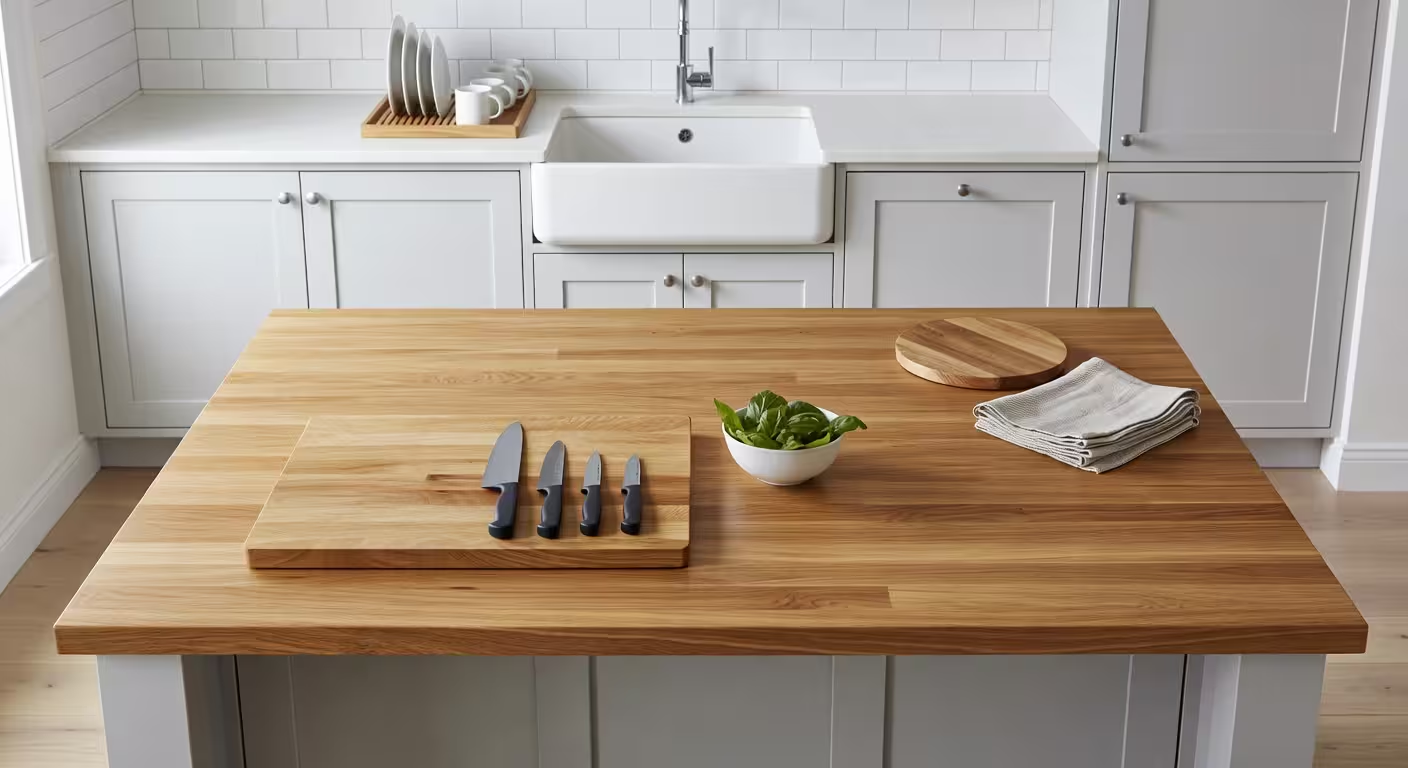
Divide your kitchen into distinct activity zones: food preparation, cooking, baking, storage, and cleaning. Each zone should contain everything you need for that specific task. For example, your prep zone near the sink might include cutting boards, knives, mixing bowls, and colanders. Your cooking zone around the stove should house pots, pans, cooking utensils, oils, and frequently used spices.
I adapted this system after seeing how it transformed efficiency for other homemakers. In my kitchen, the baking zone holds my stand mixer, measuring cups and spoons, baking pans, flour, sugar, and all my baking supplies within arm’s reach. During holiday baking marathons, this setup saves countless steps and prevents that frantic searching for ingredients.
Consider your family’s specific needs and traffic patterns. If children help with breakfast or snacks, create a kid-friendly zone on lower shelves with their plates, bowls, and healthy snack options. One creative approach I came across involved organizing a pantry by meal type — breakfast items on one shelf, lunch components on another, dinner ingredients below. This eliminates decision fatigue during those busy morning hours when everyone needs feeding quickly.
Your coffee or tea station deserves special attention too. Group your coffee maker, mugs, coffee beans or tea bags, filters, and sweeteners together. Those precious quiet morning moments shouldn’t involve hunting through multiple cabinets. Everything you need for that first cup should be right there, ready to make your morning routine peaceful rather than frantic.
Here’s what’s important to remember: zoning isn’t one-size-fits-all. What works in a compact apartment kitchen will look different from a spacious country kitchen. Experiment with different arrangements and give yourself permission to adjust as needed. The goal is creating a flow that feels natural for your cooking style and your family’s rhythms.
Smart storage solutions that actually work
Once you’ve established your zones, it’s time to implement storage solutions that enhance both function and beauty. The right organizational tools make maintaining your system effortless rather than a constant battle.
Invest in clear, airtight containers for pantry staples like flour, sugar, rice, pasta, and bulk spices. Being able to see contents at a glance prevents overbuying and makes meal planning so much easier. Label each container clearly — even if you think you’ll remember what’s what, trust me, you won’t six months from now. You can find beautiful, affordable options that fit various aesthetics, from modern farmhouse to vintage cottage.
Lazy Susans are absolute game-changers for corner cabinets and deep pantry shelves. Use them for oils, vinegars, condiments, and canned goods. That simple spinning motion brings everything into view instead of having items disappear into the black hole of cabinet backs. I have three in my kitchen, and they’ve eliminated so much frustration.
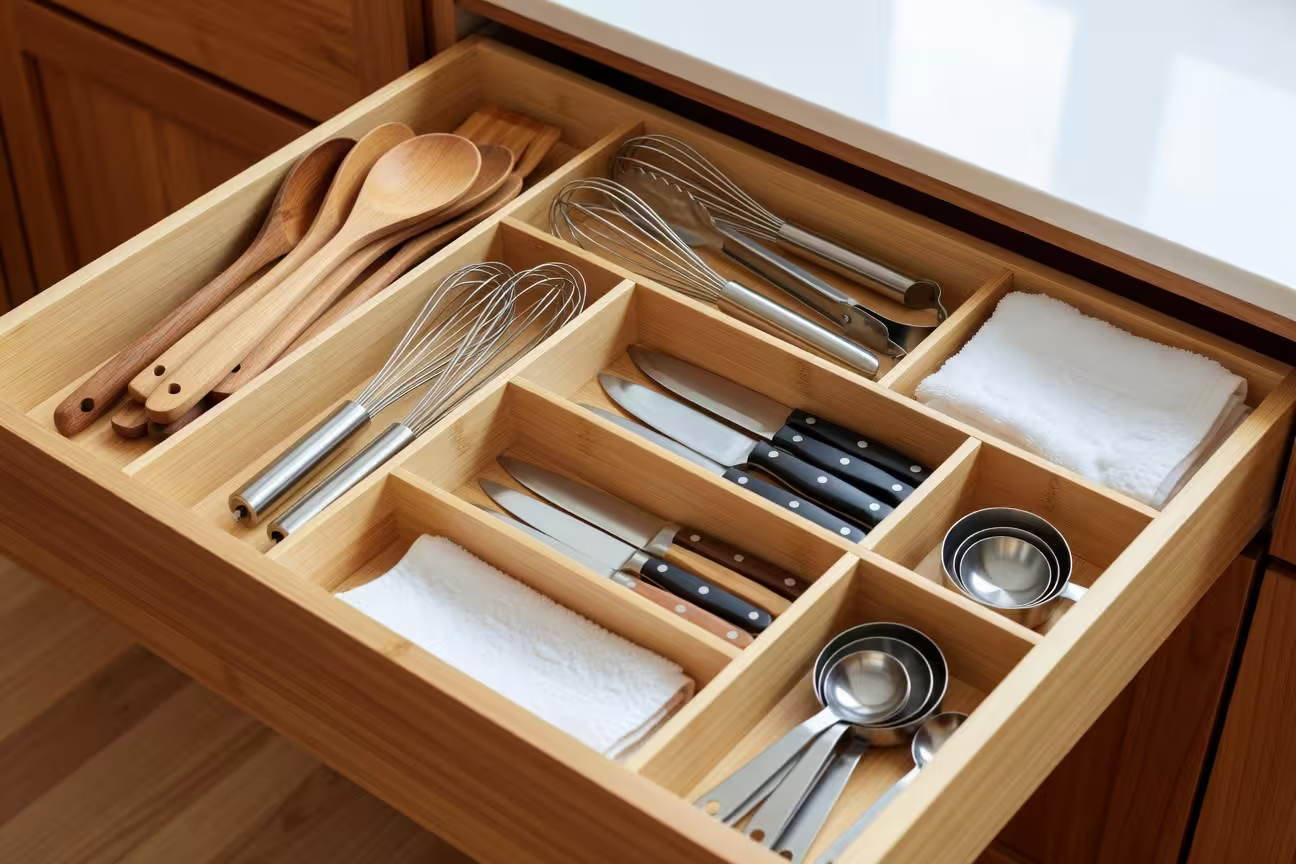
Drawer dividers transformed my utensil storage completely. No more jumbled messes where you dig through a pile to find the potato masher. Everything has its designated slot, making cooking prep faster and cleanup easier. You can find adjustable bamboo dividers that fit most drawer sizes and add a natural, warm aesthetic to your kitchen.
Don’t forget about vertical space. Wall-mounted racks for pots and pans free up valuable cabinet space while adding visual interest. Open shelving for your prettiest dishes, mixing bowls, or vintage finds creates that inviting atmosphere while keeping frequently used items accessible. Hooks under cabinets can hold mugs, measuring cups, or small utensils.
One principle to live by: quality over quantity. Your beloved cast-iron skillet or heirloom Dutch oven deserves prime real estate, not to be buried under lesser-used items. Store your most-reached-for tools in the most accessible spots. Seasonal or specialty items can go in higher cabinets or less convenient locations.
Here’s the real secret to maintaining these systems: weekly touch-ups. Spend ten minutes every Sunday evening resetting your kitchen. Put stray items back in their zones, wipe down containers, and straighten shelves. This small habit prevents the gradual slide back into chaos. Our guide to tradwife daily rhythms offers more tips for building these sustainable routines.
Organizing your pantry for meal planning success
Your pantry organization directly impacts your ability to plan and execute meals efficiently. A well-organized pantry saves money by preventing duplicate purchases, reduces food waste by keeping ingredients visible, and makes meal planning genuinely enjoyable rather than overwhelming.
Start by grouping similar items together: baking supplies in one area, canned goods in another, pasta and grains together, snacks in their own section. Within each category, arrange items so you can see everything at a glance. Use tiered shelf organizers or risers for canned goods so nothing gets lost in the back.
Implement a “first in, first out” system by placing newer items behind older ones. This simple practice prevents ingredients from expiring before you use them. Check expiration dates during your seasonal deep cleans and rotate stock accordingly.
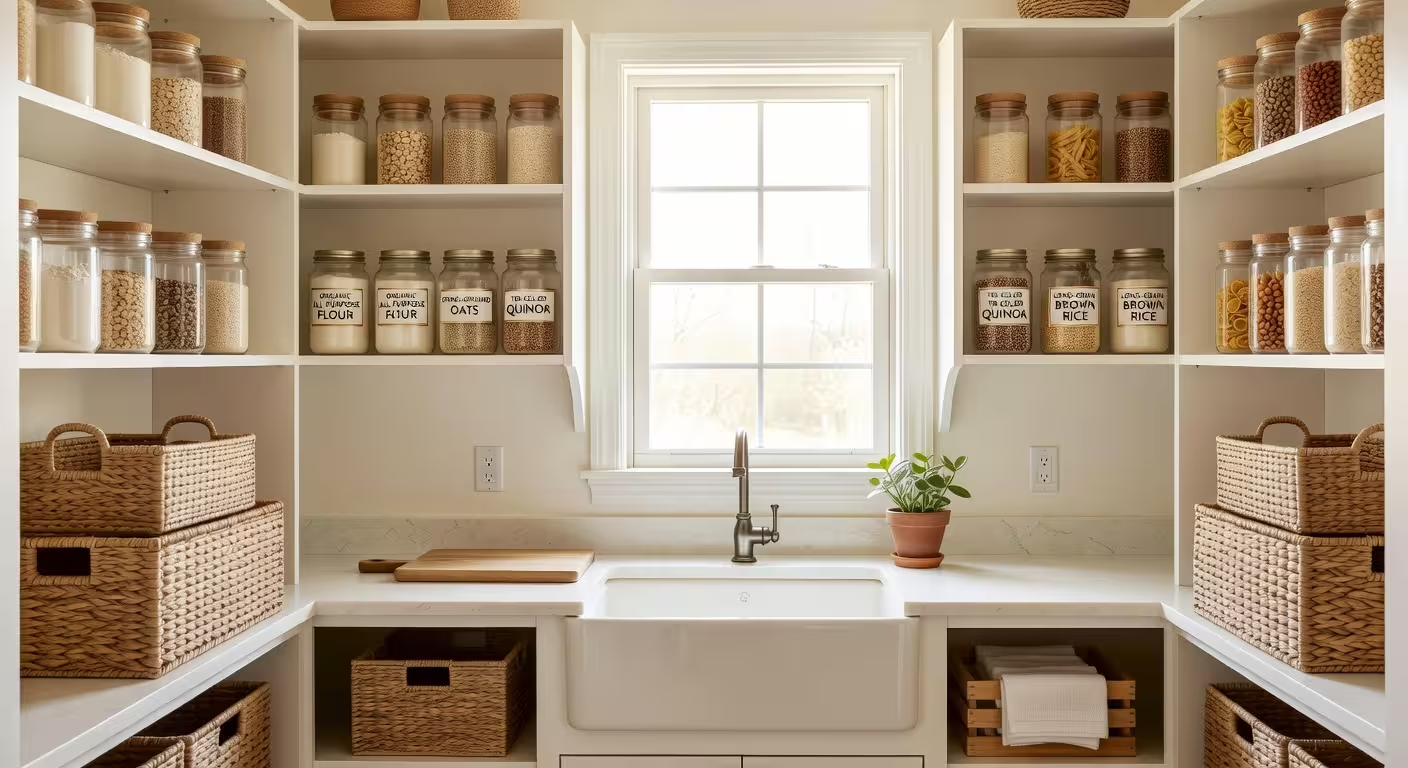
Consider creating a “meal starter” section with ingredients for your family’s favorite quick dinners. Having pasta, sauce, and seasonings grouped together makes those busy weeknight decisions so much easier. One homemaker shared how she keeps taco night supplies in a basket, spaghetti components together, and stir-fry essentials grouped — grabbing dinner ingredients becomes a one-stop action.
Baskets and bins are your friends for corralling small packages and preventing pantry avalanches. Use them for snack bags, seasoning packets, baking chips, or lunch box items. Clear bins work well for items you need to monitor inventory on, while woven baskets add warmth and hide less attractive packaging.
Keep a running grocery list posted inside your pantry door. When you notice you’re running low on something, add it immediately rather than trying to remember later. This eliminates those frustrating moments when you start cooking and realize you’re missing a key ingredient. Research shows that organized pantries reduce household food waste by up to 30%.
Incorporating seasonal rhythms into your kitchen
An efficiently organized kitchen adapts with the changing seasons, and embracing this natural rhythm keeps your space functional year-round. Our cooking needs shift dramatically from summer grilling season to winter comfort food months, and our kitchen organization should reflect that.
In autumn, when baking season arrives, I move my heavier baking equipment to more accessible locations. Pie dishes, cake pans, and seasonal spices like cinnamon and nutmeg come forward, while summer items like picnic supplies and lighter cookware move back. This seasonal rotation ensures what you need most is always within easy reach.
Spring cleaning provides the perfect opportunity for a deep pantry and refrigerator purge. Check expiration dates, wipe down shelves, and reassess your systems. One woman described how her post-winter pantry clean revealed forgotten items and made room for fresh spring produce and canning supplies for the coming garden season.
Summer might mean creating a designated area for preserving supplies if you garden or visit farmers markets. Mason jars, canning equipment, and freezer containers deserve accessible storage during peak harvest months. Come winter, these can be stored away while slow-cooker accessories and hearty soup-making tools take center stage.
Holiday seasons require their own adjustments. Before Thanksgiving, create space for your roasting pan, turkey baster, and special serving pieces. After the holidays, pack away seasonal items like cookie cutters, special baking molds, and holiday china until next year. Storing these items properly prevents clutter while honoring cherished traditions.
This seasonal approach to kitchen organization aligns beautifully with the natural rhythms of traditional homemaking, where we honor the changing cycles of the year and adapt our homes accordingly. It’s not about constantly reorganizing — it’s about having systems flexible enough to serve your family’s evolving needs.
Making it beautiful: blending function with aesthetic
Here’s something that gets overlooked in most organization advice: your kitchen should be beautiful as well as functional. We spend hours in this space every single day. It should bring you joy when you walk in, not just operate efficiently like a sterile commercial kitchen.
Choose organizational tools that complement your home’s aesthetic. Woven baskets and wooden crates bring warmth and farmhouse charm while keeping items corralled. Glass canisters with wooden lids add vintage appeal to your countertops. Even simple touches like matching your storage containers or using fabric-lined baskets can elevate the overall feel of your space.
Open shelving offers an opportunity to display your prettiest dishes, vintage mixing bowls, or copper cookware as functional decor. This works especially well for items you use daily — they’re accessible and add visual warmth to the room. Just be mindful not to overcrowd shelves; leave breathing room so it looks curated rather than cluttered.
Fresh flowers or herbs in a simple vase, a vintage cutting board propped on the counter, or a beautiful tea towel hanging from your oven can add personality without sacrificing function. These small touches make your kitchen feel like a true expression of your personal style and the tradwife aesthetic you’re cultivating.
Lighting matters more than you might think. Good task lighting makes food prep safer and easier, while softer ambient lighting creates warmth for family meals. If possible, incorporate natural light — it makes the space feel more inviting and helps you see true colors when cooking.
Remember that beauty and efficiency aren’t opposing forces. They work together to create a space where you feel inspired to cook, bake, and serve your family with joy. When your kitchen is both organized and lovely, it becomes a place you want to spend time rather than a chore to maintain.
As you implement these systems and create your perfectly organized kitchen, remember that the goal isn’t perfection — it’s creating a space that serves your family well and brings you peace. Every home and family is different, so give yourself permission to adapt these ideas to fit your unique situation. Share your own kitchen organization wins and challenges with other homemakers in the Tradwife Club community, where we’re all learning and growing together in this beautiful journey of intentional homemaking.
Frequently asked questions
What if my kitchen is tiny and I have limited space?
Start with multi-functional tools and maximize vertical storage with wall-mounted racks, magnetic knife strips, and hanging organizers. Focus on keeping only essentials and items you use regularly. Over-the-door organizers can hold spices or cleaning supplies, and stackable containers make the most of cabinet height. Small kitchens often force better organization habits because you simply can’t accumulate excess.
How do I involve my family in keeping the kitchen organized?
Make systems simple enough that everyone can follow them easily. Assign age-appropriate tasks like putting away their dishes in designated spots or restocking snack containers. Label shelves and bins clearly so family members know exactly where things belong. Lead by example with consistency, and offer specific praise when you notice them maintaining the systems. Over time, it becomes a natural family rhythm.
What’s the best way to organize spices without expensive systems?
Use uniform small jars or containers (you can find affordable sets or repurpose baby food jars) and arrange them in a drawer with dividers for easy access. Group by frequency of use or category — baking spices together, savory herbs together, etc. Label the tops so you can see them at a glance when the drawer is open. This costs very little but creates a highly functional system.
How often should I reorganize my kitchen?
Do a full review and deep clean twice yearly, ideally spring and fall, when you’re already adjusting for seasonal needs. In between, maintain with weekly 10-15 minute reset sessions to keep systems running smoothly. This prevents the gradual slide into chaos and makes the twice-yearly deep organization much easier. Adjust more frequently only if your family’s needs change significantly.
Can I make my organized kitchen match a farmhouse or cottage aesthetic?
Absolutely — choose woven baskets, wooden crates, glass canisters with wooden lids, and open shelving for displaying pretty dishware. Incorporate vintage finds like enamelware or antique scales as functional decor. Use natural materials and soft colors that complement your home’s style. Function and beauty work together beautifully when you’re intentional about choosing organizational tools that match your aesthetic vision.
What if I get overwhelmed during the decluttering process?
Break the project into very small chunks — one drawer or one cabinet at a time. Set a timer for just 15-20 minutes and stop when it rings, even if you’re not finished. Play uplifting music or an encouraging podcast while you work. Ask your husband or a friend to help if you’re truly stuck making decisions. Remember that progress matters more than perfection, and even small improvements make a real difference in daily life.
