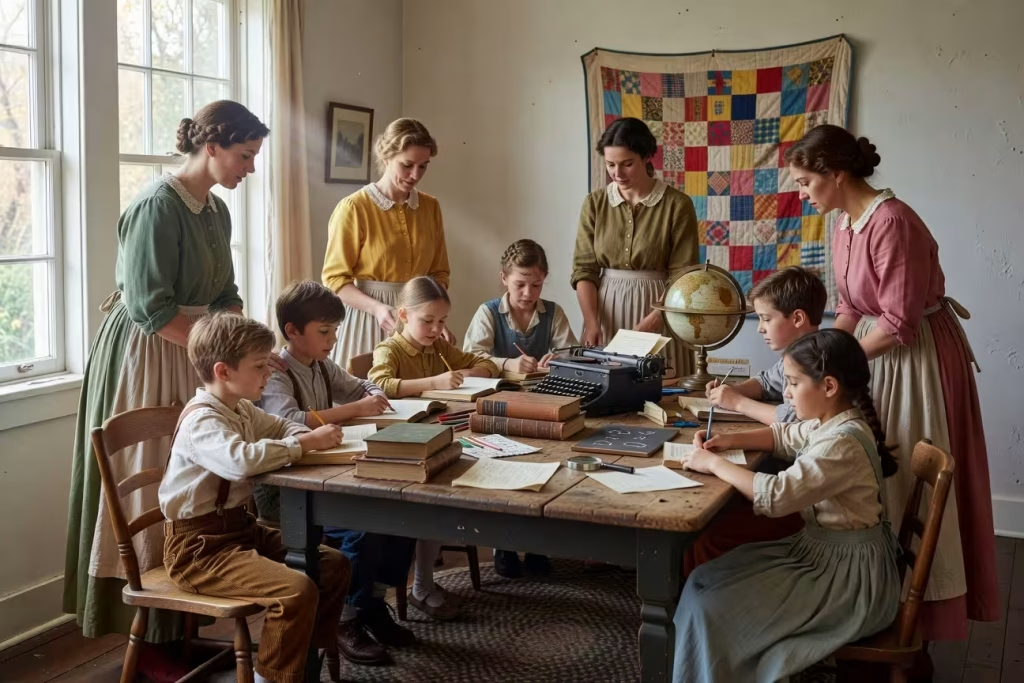
Picture this: you’re knee-deep in lesson plans, surrounded by stacks of books from the local thrift store, and suddenly it hits you that your little ones could use some friends to share the adventure with. That’s exactly where I was five years ago, fresh into homeschooling my brood in our cozy Midwest farmhouse, wondering how to connect with like-minded families without driving hours to the nearest city.
In those early days, I discovered homeschool co-ops are like hidden gems, offering everything from group science experiments to art classes that make learning feel like play. If you’re exploring this path as part of your esposa tradicional journey, finding the right co-op can transform solitary homeschooling into a vibrant community experience. These cooperative groups bring together families who share teaching responsibilities, pool resources, and create enriching social opportunities that benefit both children and parents.
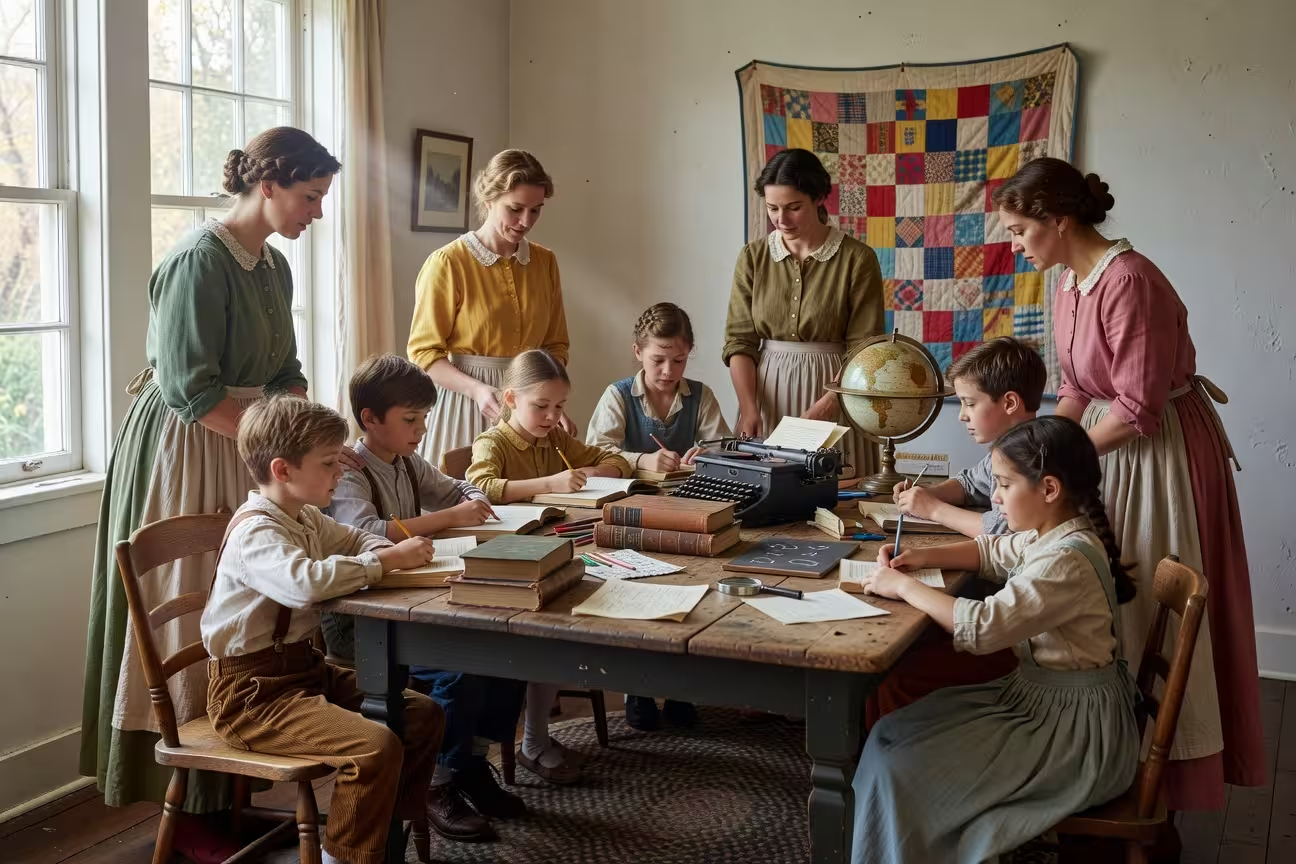
Why homeschool co-ops transform your teaching experience
The thing is, homeschooling isn’t just about academics; it’s about nurturing well-rounded kids who thrive in social settings too. I’ve seen posts from Texas mamas raving about co-ops that host Fourth of July picnics complete with homemade apple pie contests, blending education with those heartwarming traditions we cherish.
What nobody tells you when you’re starting out: the isolation can creep up on you, especially if you’re in a rural spot like the Pacific Northwest, where rainy days make indoor gatherings essential. Co-ops provide that support network, sharing the load of teaching subjects you’re not as strong in—like advanced math, foreign languages, or science labs that require materials beyond your home setup.
One scenario that sticks with me is a woman who joined a co-op after eight months of solo homeschooling. She shared how it reignited her passion, turning weekly meetups into cherished rituals with coffee from Trader Joe’s and kids running wild in safe, structured fun. Her daughter, who’d been struggling with writing, suddenly found inspiration through group story projects that sparked creativity in ways one-on-one lessons couldn’t match.
Between you and me, co-ops also offer accountability. When you know other families are counting on you to lead the history lesson or organize the nature walk, you show up prepared. That external motivation complements the internal drive we cultivate as homemakers focused on daily rhythms that nurture our families.

Start your search with local networks and community connections
I’ll be honest, the best co-ops often hide in plain sight, tucked into community bulletin boards at your neighborhood library or mentioned in church newsletters. Begin by checking your local library—those places are goldmines for flyers about homeschool groups, especially during back-to-school season in the fall, when fresh starts are in the air along with the scent of pumpkin spice everything.
From what I’m seeing on social media lately, many women swear by Facebook groups tailored to their region, like “Midwest Homeschool Families” or “Southern Tradwife Homeschoolers.” Type in your city plus “homeschool co-op” in the search bar and watch the suggestions pour in. Join a few groups and introduce yourself—most communities welcome new members warmly and often have pinned posts listing local co-ops with contact information.
That said, don’t overlook good old-fashioned word-of-mouth. Chat with the friendly faces at your farmers market, where you’re picking up fresh produce for that evening’s dinner. I’ve connected with amazing groups this way, leading to playdates that evolved into full co-op sessions. The woman selling heirloom tomatoes might know about a science-focused group meeting at the community center.
One new homeschooler I heard about stumbled upon her co-op through a thrift store conversation—turns out the cashier ran a small group focused on vintage-inspired crafts like embroidery and natural dyeing, perfectly aligning with that aesthetic we love. Sometimes the best connections happen when you least expect them, in the everyday interactions that fill our weeks.
Your church or faith community can be another excellent starting point. Many congregations host or know of homeschool groups that incorporate spiritual values alongside academics. Even if your church doesn’t have an official co-op, asking the children’s ministry coordinator or other homeschooling families can yield valuable leads.
Leverage online directories and digital resources effectively
What I’ve learned is that the internet has made this search so much easier than when I started. Websites dedicated to homeschool resources list co-ops by state, helping you filter for ones that match your values and educational philosophy. According to the Coalition for Responsible Home Education, there are thousands of co-ops across the United States, serving families with diverse needs and approaches.
Women are buzzing about directories that pinpoint groups within driving distance—think entering your zip code and getting options from New England charm-filled co-ops meeting in historic buildings to those with a Texas-sized sense of community gathering in church gymnasiums or community halls.

Between you and me, I’ve bookmarked several that highlight co-ops offering seasonal activities, such as Easter egg hunts with educational twists or Memorial Day history lessons, tying into the holidays we hold dear as families. These aren’t just social gatherings—they’re opportunities to weave learning into the fabric of traditional celebrations.
Try searching for “homeschool co-op near me” on your phone while sipping tea from your favorite mug. It’s straightforward, but effective. Pay attention to each group’s website or social media presence—active, updated pages usually indicate engaged leadership and consistent programming.
Now, here’s where it gets interesting: some co-ops partner with local businesses for educational experiences. I’ve heard of groups arranging tours at bakeries (perfect for learning about bread-making and fermentation), farms, or historical sites. Others coordinate bulk supply runs to stores like Costco, making field trips both educational and practical for budget-conscious homemakers.
Instagram has become surprisingly useful for this search too. Hashtags like #HomeschoolCoOp or #TradwifeHomeschool connect you with families who share snippets of their co-op experiences, giving you a genuine preview of what different groups offer before you commit.
How to evaluate and visit potential co-ops before joining
Once you’ve compiled a list of possibilities, it’s time to dig deeper. Read through their guidelines carefully—do they align with your family values, focusing on nurturing, respectful environments that honor individual paths? Look at their statement of faith or educational philosophy if they have one posted.
The truth? Not every co-op will be a perfect fit, and that’s okay. I’ve seen debates online about size: smaller groups offer intimacy, like a New England knitting circle with five to ten families, while larger ones provide diverse classes akin to a bustling Southern fair with specialized teachers for subjects like Latin, advanced science, or musical theater.
Schedule a visit—most co-ops welcome prospective families to observe a session. Bring your kids if possible, watch the dynamics, and pay attention to how children interact and how parents engage. One story I heard was of a beginner who visited three different co-ops before finding her tribe, where they not only shared academic goals but also exchanged recipes and homemaking tips over coffee while the kids explored together.

I have to admit, my first visit felt nerve-wracking. Would my kids fit in? Would the other moms judge our approach? But seeing the children light up during a group reading session, and experiencing the genuine warmth from other families, made those worries dissolve. The mom who welcomed us had been in my exact shoes just a year earlier.
Ask practical questions during your visit: What’s the weekly time commitment? How are teaching duties divided? What costs are involved beyond membership fees? Is there a trial period? Understanding the logistics upfront prevents surprises later and helps you assess whether this particular group meshes with your homemaking schedule and family rhythm.
Pay attention to the little things too—is the space clean and organized? Do the adults seem genuinely engaged rather than distracted by phones? Are there established routines that create structure, or does chaos reign? Your instincts as a mother and homemaker will guide you here.
Overcoming common obstacles when searching for co-ops
Look, challenges pop up—maybe there aren’t many co-ops in your area, or schedules clash with your weekly rhythm of baking, gardening, and home tending. Rural families face this more acutely, sometimes living an hour from the nearest group.
From recent discussions, rural women are getting creative, starting their own micro-co-ops with just three or four families, meeting at parks for summer nature studies or cozy winter story hours in farmhouse living rooms. These intimate gatherings can be just as valuable as larger, more formal organizations—sometimes more so, because you shape them exactly to your needs.
That said, if transportation is an issue, carpooling with other moms can turn long commutes into bonding time, sharing tips on everything from Etsy finds for home decor to maintaining that empowered mindset we cultivate. One family I know rotates driving duties, and the non-driving moms use that time for audiobooks or planning the week’s meals.
Cost can be another hurdle. While many co-ops charge minimal fees—often under a hundred dollars per semester to cover supplies and venue rental—even that can strain a single-income household. Don’t be shy about discussing payment plans or volunteer opportunities that might reduce costs. Most groups value participation over payment and will work with families facing financial constraints.
One frustrated poster shared how she overcame ideological differences by focusing on shared goals like child-led learning and hands-on experiences, leading to a hybrid group that worked for everyone despite varying religious or political views. The key was establishing from the beginning that respect and focus on the children came first.
The key is persistence. Keep searching, keep asking, keep connecting. Sometimes the perfect fit takes months to find, but the community you build will be worth every effort. Share your journey and learn from others in our comunidad de esposas tradicionales, where members regularly post about local co-ops and organize virtual meetups to bridge the gap until you find an in-person group.
Creating your own homeschool co-op from scratch
Here’s what nobody tells you when you’re starting out: sometimes, the best co-op is the one you create yourself. If your search comes up empty, or if existing groups don’t quite match your vision, gathering a few families from your church, neighborhood, or online homeschool groups can be incredibly rewarding.
Start small—plan a monthly meetup at a local park, incorporating Midwest values of hospitality with shared snacks from home gardens and simple, hands-on activities. Maybe you focus on nature study in the fall, art projects in winter, gardening in spring, and water play in summer. The beauty of starting your own is that you control the pace and content.
Women online are sharing success stories of DIY co-ops that grew from casual playgroups into structured programs over time. One Virginia mom started with just two other families doing monthly park days. Within a year, they’d added regular art lessons, a book club for the kids, and seasonal celebrations. By year two, they had eight families and a rotation of parent-taught classes covering everything from basic coding to traditional cooking skills.
Use free tools like Google Calendar or shared documents to coordinate schedules and lessons. Create a simple group chat for quick questions and updates. Keep administrative tasks minimal at first—complicated rules and structures can wait until you’ve established a solid foundation and know what your group actually needs.
Between you and me, this approach lets you tailor everything perfectly to your family’s needs and values. Maybe you want to focus on seasonal crafts like fall leaf collecting and pressing, spring wildflower identification, or holiday preparations that honor your traditions. Perhaps your group emphasizes life skills like cooking, sewing, or woodworking alongside academic subjects.
It empowers you as a homemaker and educator, turning potential isolation into a thriving network. You’re not just finding community—you’re building it, brick by brick, relationship by relationship. That’s a powerful thing, and it models for your children how to create the communities they need throughout their lives.
Making the most of your co-op experience
Once you’ve found or created your co-op, the real work begins—not the hard kind, but the joyful work of building relationships and maximizing the experience for your family. Show up consistently, even when your morning routine gets derailed or you’re tempted to stay home in your cozy kitchen.
Contribute your strengths generously. If you’re skilled at organizing spaces efficiently, offer to help coordinate the co-op’s supply closet or classroom setup. If baking is your gift, bring treats to share—homemade cookies or muffins create warmth and connection that store-bought items simply can’t match.
Be patient with the messy parts. Not every lesson will go smoothly. Some days, kids will squabble, plans will fall apart, or the craft project will turn into a glitter disaster. Laugh it off, help clean up, and remember that flexibility is part of the homeschool journey. The memories your children create—and the resilience they build navigating group dynamics—matter more than perfect execution.
Stay connected between meetups. Share resources, celebrate each other’s victories, and offer support during challenging times. The relationships you build with other homeschooling families become part of your village, that network of trusted people who understand your choices and cheer you on.
Finding the right homeschool co-op truly can transform your educational journey from a solitary path into a shared adventure. Whether you discover an established group that feels like home or create your own from scratch, the community you build will enrich not just your children’s learning, but your entire family’s life. Ready to connect with other tradwives navigating this journey? Join our boletín informativo for regular tips, encouragement, and updates on homeschooling resources that align with your values.
Preguntas frecuentes
What exactly is a homeschool co-op and how does it work?
A homeschool co-op is a group of families who come together regularly to share teaching responsibilities, resources, and social activities for their homeschooled children. These groups typically meet weekly, biweekly, or monthly, with parents rotating teaching duties based on their strengths and interests. Co-ops can range from informal playgroups to structured programs offering multiple classes across various subjects.
How do I know if a co-op is the right fit for my family?
Visit the co-op in person and observe how families interact, what the teaching style looks like, and whether the atmosphere feels welcoming. Consider practical factors like location, schedule, cost, and time commitment. Most importantly, trust your instincts—if the environment feels aligned with your values and your children seem comfortable and engaged, it’s likely a good match.
What if there are no homeschool co-ops in my rural area?
Consider starting your own micro-co-op with just a few families from your church, neighborhood, or online connections. Begin with simple monthly gatherings at parks or rotating homes, focusing on activities like nature study, art projects, or seasonal celebrations. You can also explore virtual co-op options for certain subjects while building local connections gradually.
Are homeschool co-ops expensive to join?
Most co-ops charge modest fees, typically under one hundred dollars per semester per family, to cover supplies, materials, and venue rental if needed. Some informal groups operate completely free, relying on parent volunteers and shared resources. Many co-ops offer payment plans or reduced fees for families facing financial constraints, so don’t hesitate to ask about options.
What subjects do homeschool co-ops typically teach?
Common subjects include science labs, art, music, foreign languages, history, literature discussion groups, and life skills like cooking or gardening. Many co-ops tailor their offerings to parent expertise and student interest, creating unique combinations. Some focus heavily on academics, while others emphasize enrichment activities, social skills, and hands-on learning experiences.
How can I ensure a co-op aligns with my tradwife values and parenting approach?
Look for groups that prioritize family-centered education, respect individual approaches, and focus on nurturing children without external pressures. Read mission statements carefully, talk with current members about their experiences, and observe how the co-op handles differences in opinion. The best fit will share your emphasis on traditional values, homemaking integration, and child-led learning while respecting your family’s unique path.