¿Qué es un tradhusband?
El esposo tradicional
Detrás de cada esposa tradicional es un hombre que eligió liderar con servicio, proveer con propósito y construir una familia digna de volver a casa. Esta es su historia —y quizás la tuya.
En esta guía
- Tradhusband significado y definición
- Lo que realmente hace un esposo tradicional
- El equipo del esposo tradicional y la esposa tradicional
- Valores y principios fundamentales
- Esposo tradicional vs. esposo moderno
- Conceptos erróneos comunes
- Cualidades de un gran esposo tradicional
- Cómo convertirse en tradhusband
- Preguntas frecuentes
¿Qué significa Tradhusband?
Esposo tradicional (sustantivo) — Un hombre que adopta voluntariamente el rol tradicional de proveedor, protector y cabeza de su hogar, trabajando en sociedad con su esposa tradicional para construir una familia estable, amorosa y con propósito. En resumen para esposo tradicional.
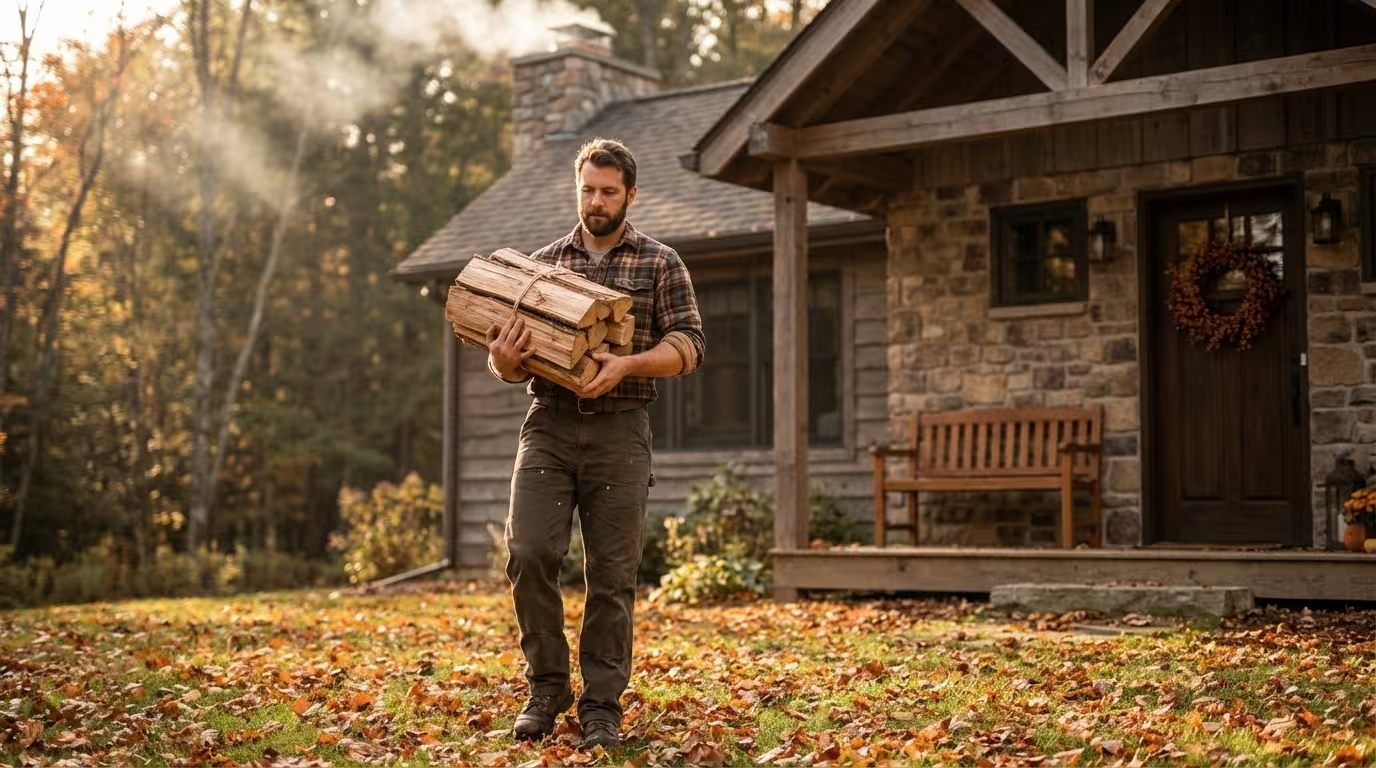
Si esposa tradicional es el corazón del hogar, el marido es su columna vertebral. Es el hombre que se levanta antes del amanecer y vuelve a casa al anochecer, no porque alguien le obligue, sino porque las personas que le esperan en la mesa son la razón por la que lo hace todo. Su trabajo no es sólo una carrera. Es un acto de amor repetido cinco días a la semana, cincuenta semanas al año, durante el tiempo que haga falta.
Un marido tradicional se toma en serio la responsabilidad de mantener a su familia, tanto económica como emocional y espiritualmente. No se ve a sí mismo como el jefe de su hogar, sino como su siervo-líder: la persona que lleva las cargas más pesadas, hace las llamadas más difíciles y protege a su mujer y a sus hijos de las tormentas que inevitablemente trae la vida.
Pero en esto se equivocan los críticos: no se trata de un hombre rígido y sin emociones que ladra órdenes desde la cabecera de la mesa. Los mejores tradhusbands son los que pueden arreglar una valla por la mañana y leer Buenas noches, Luna en seis voces diferentes a la hora de acostarse. Los que llegan a casa después de un turno de doce horas y siguen preguntando a su mujer “¿qué tal el día?” y esperan realmente la respuesta. La fuerza y la ternura no son opuestas. En un marido tradicional, son la misma cosa.
El término ganó visibilidad junto con el movimiento tradwife, Las mujeres que comparten su estilo de vida tradicional en Internet llaman la atención sobre los hombres que hacen posible ese estilo de vida. Para conocer todos los términos de esta comunidad, visite nuestra página glosario.
¿Qué hace realmente un "tradhusband"?
El despertador suena a las cinco y media. No le da a la repetición, no porque sea un robot, sino porque la hipoteca no se paga sola y la reparación del horno de la semana pasada sigue en la tarjeta de crédito. Se ducha, se viste y echa café en el termo. esposa que dejó anoche junto a la máquina con una pequeña nota pegada a la tapa. La lee. Guarda cada una de ellas en el cajón de su escritorio en el trabajo, aunque nunca lo admitiría en voz alta.
El trayecto al trabajo es su tiempo para pensar. Repasa mentalmente las finanzas de la semana. El coche necesita neumáticos antes del invierno. El cumpleaños de su hija es dentro de tres semanas. Su mujer menciona que quiere probar una clase de masa madre en la iglesia. Toma nota mentalmente para decirle que se apunte; él cuidará de los niños ese sábado.
El trabajo es el trabajo. Ocho, diez, a veces doce horas de lo que haga falta. No idealiza su trabajo. Algunos días le encanta; la mayoría, lo soporta. Lo que le hace seguir adelante no es la pasión por el trabajo, sino saber que cada hora que él pasa es una hora que su mujer no tiene que pasar. Ella puede centrarse en hogar, en el niños, sobre la vida que están construyendo juntos, porque él aparece aquí cada mañana y soporta esta parte del peso. Eso no es una carga. Es un propósito.
De camino a casa, llama a su mujer. Le dice que el niño ha dibujado en la pared con un rotulador y que la niña de cuatro años le ha dicho al hijo del vecino que su perro es feo. Él se ríe. A ella aún no le hace gracia, pero mañana sí. Él pasa por la tienda a comprar la leche que ella olvidó y las flores que él no olvidó.
Entra por la puerta y los niños le abordan las piernas. La casa huele a lo que sea que ella hecho para cenar — algo con ajo y romero. Pone la mesa sin que se lo pidan porque se dio cuenta de que ella la puso ayer y anteayer y antes de ayer, y en algún momento un hombre debería notar estas cosas.
Después de cenar, él friega los platos. No porque sea su “trabajo”, sino porque ella ha cocinado, él tiene ojos y las cuentas no son complicadas. Ella baña a los niños mientras él limpia la encimera y prepara los almuerzos de mañana. Son un equipo de relevos y el testigo nunca toca el suelo.
La hora de dormir es suya. Lee a su hijo —el mismo libro por novena noche consecutiva, porque al niño le encanta y el hombre ha decidido que aburrirse por La oruga muy hambrienta es un pequeño precio por ver la cara de su hijo iluminarse en la página de las fresas. Reza con su hija. Las arropa a las dos. Comprueba las cerraduras, apaga las luces y encuentra a su mujer en el sofá bajo la manta que tejió el invierno pasado.
Se sientan juntos. A veces hablan. A veces no. No importa. Lo que importa es que él está aquí, cada noche, en esta casa, al lado de esta mujer, construyendo esta vida. No porque sea fácil. Porque es suya.
No necesita que el mundo le llame héroe. Solo necesita que sus hijos se sientan seguros cuando entra por la puerta y que su mujer sepa -sin ninguna duda- que siempre volverá a casa.

El equipo Tradhusband y Tradwife
La palabra que más malinterpreta la gente sobre el matrimonio tradicional es “roles”. Oyen “roles” y piensan en “reglas”, en cajas rígidas donde él hace sus cosas y ella las suyas y nadie se pasa de la raya. No es así como funciona. No en los matrimonios que duran.
En la práctica, el esposa tradicional construye el interior del hogar: las comidas, las rutinas, la calidez emocional, la belleza que hace que una casa se sienta como un santuario. El tradhusband construye el exterior: los ingresos, la seguridad, el mantenimiento físico, el escudo contra lo que sea que el mundo le arroje a la familia. Pero la línea entre el “interior” y el “exterior” está trazada a lápiz, no a tinta.
Él prepara el desayuno los sábados por la mañana porque ella durmió mal y merece descansar. Ella lo ayuda a presupuestar los impuestos trimestrales porque ella es mejor con las hojas de cálculo y ambos lo saben. Él cuelga la ropa cuando ella está enferma. Ella corta el césped cuando él tiene problemas de espalda. Los roles describen dónde cada persona primario la energía va — no un contrato que le prohíba recoger una mopa o a ella cambiar una llanta.
La magia está en el solapamiento. Está en la conversación durante el café a las 9 de la noche, cuando los niños por fin están dormidos. Está en la mirada compartida al otro lado de la mesa de la cena que dice lo logramos — un día más, juntos. Es en el conocimiento de que no compiten entre sí. Se complementan. Y la cosa que están construyendo juntos —este hogar, esta familia, estos hijos— es más grande que cualquier cosa que cualquiera de ustedes pudiera construir solo.
Ese tipo de matrimonio no sucede por accidente. Requiere intención diaria, conversación honesta y la voluntad de poner a la familia por encima del propio ego —de ambos lados. Todos y cada uno de los días.
Valores fundamentales de un esposo tradicional
Estas son las cosas que separan a un hombre que resulta tener una esposa ama de casa de un hombre que ha construido toda su vida en torno a su familia a propósito.
Responsabilidad antes que comodidad
Suena la alarma y él no tiene ganas de levantarse. Se levanta de todos modos. El coche se avería y él no tiene dinero. Se las arregla de todos modos. Su esposa está abrumada y él está agotado. Él se encarga de los niños de todos modos. Un marido tradicional hace lo que hay que hacer, no cuando se siente motivado, sino precisamente cuando no lo está.
Servicio como liderazgo
El liderazgo real en una familia no se parece en nada a una sala de juntas. Se parece a ser el primero en disculparse después de una discusión. El primero en sacrificarse cuando el dinero escasea. El primero en levantarse con el bebé a las 3 de la mañana cuando tu esposa lleva dos días sin dormir. Su familia no lo sigue porque él lo exige. Lo siguen porque lo han visto ser el primero en afrontar las cosas difíciles, una y otra vez, y confían en adónde va.
Fidelidad en todo sentido
Fiel a su esposa — no solo físicamente, sino con su atención, su tiempo y su energía emocional. Fiel a su palabra — si dijo que estaría en casa a las seis, está en casa a las seis. Fiel a sus compromisos — porque sus hijos están observando y aprendiendo lo que significa una promesa por cómo su padre las cumple. Para muchos maridos tradicionales, fe en Dios es el ancla bajo todo esto. Pero ya sea que la base sea religiosa o personal, el principio es el mismo: su integridad se mide por lo que hace cuando nadie lo está mirando.
Presencia emocional
El “tipo fuerte y silencioso” es un buen personaje de película y un pésimo esposo. Un verdadero esposo tradicional sabe cómo sentarse con su hija cuando está llorando y no intentar arreglarlo, solo abrazarla. Sabe cómo preguntarle a su esposa “¿qué necesitas de mí ahora mismo?” y decirlo de verdad. Ha aprendido que hablar abiertamente sobre sus propias luchas no lo hace débil. Lo convierte en el tipo de hombre con el que su familia no teme ser honesta.
Provisión como lenguaje del amor
Cada cheque de pago es una carta de amor que nunca tiene que escribir. Cada grifo reparado, cada hora extra, cada sábado que pasa arreglando la barandilla del porche en lugar de ver el partido, todo es la misma frase: Haré lo que esta familia necesite. Él entiende que su esposa ama de casa la capacidad de volcarse en el hogar existe porque él, de forma silenciosa y sin descanso, soporta la carga financiera. Y no lo resiente. Él lo eligió.
Pensamiento de legado
Él no vive solo para el hoy. Piensa en qué tipo de hombre se está convirtiendo su hijo al observarlo. Piensa en lo que su hija esperará de un futuro esposo basándose en cómo él trata a su madre. Piensa en la mesa de Acción de Gracias dentro de treinta años, si sus nietos querrán regresar y si los valores que él sembró habrán echado raíces. Todo lo que hace está moldeado por la pregunta: ¿Qué estoy construyendo que perdurará más que yo?
Esposo tradicional vs. Esposo moderno
Esto no es un juicio sobre ninguno de los enfoques. Es una aclaración — porque si has estado sintiendo que no encajas en el guion por defecto, ayuda ver la alternativa expuesta claramente.
| Esposo tradicional | Predeterminado moderno | |
|---|---|---|
| Rol de proveedor | Asume la responsabilidad financiera principal, no porque no pueda trabajar, sino para no tener que hacerlo | Los ingresos se comparten por igual; ninguno es “el proveedor” |
| Liderazgo | Liderazgo a través del servicio, el sacrificio y la valentía para enfrentar primero las dificultades | Decisiones tomadas por negociación sin un líder definido |
| Rol de la esposa | Apoya y valora profundamente su decisión de centrarse en familia y hogar | Espera que ambos miembros de la pareja trabajen y repartan todas las tareas por igual |
| Paternidad | Activo y central — cuentos para dormir, enseñar habilidades, ser el hombre a quien sus hijos admiran | Involucrado, pero puede ver la crianza como una de muchas prioridades equitativas |
| Fe | A menudo guiado por convicciones espirituales esa forma las decisiones familiares | La fe es personal y típicamente separada de la estructura familiar |
| Inicio | Se enorgullece de mantener, reparar y mejorar el espacio físico en el que vive su familia. | Tareas del hogar divididas por horario, no por rol |
| Identidad | “esposo y padre” es el centro de quién es | Identidad distribuida a través de la carrera, amistades, pasatiempos y familia |
El Esposo Tradicional ha tomado una decisión deliberada — al igual que el esposa tradicional —organizar su vida entera en torno a su familia. No porque la tradición se lo dijera. Sino porque miró a sus hijos, miró a su esposa, y decidió que nada más que pudiera hacer con su tiempo en la Tierra importa más que esto.
Conceptos erróneos comunes sobre los maridos tradicionales (tradhusbands)
“Los esposos tradicionales son controladores”
Un hombre que controla a su esposa no es un "tradhusband" — es un abusador que lleva una etiqueta que no merece. Todo el modelo se basa en la elección voluntaria: ella eligió su papel tan libremente como eligió el suyo. No necesita controlar a alguien que ya corre hacia el mismo objetivo. Si un hombre tiene que obligar a su esposa a adoptar roles tradicionales, el problema no son los roles; el problema es el hombre.
“Él solo quiere una sirvienta y una cocinera.”
Si ve a su esposa como ayuda doméstica, ha perdido el punto tan completamente que no debería usar la palabra “tradicional” en absoluto. El marido tradicional valora a su esposa crianza del hogar porque entiende que es un trabajo hábil, agotador y esencial, un trabajo que sabe que no podría hacer igual. No lo menosprecia. Lo admira. Y se lo dice. Regularmente. En voz alta.
“Los maridos tradicionales no ayudan en casa”
El mejor esposo proveedor que conoce lava los platos todas las noches. Cambió más pañales de los que puede contar. Aprendió a trenzarle el cabello a su hija con un tutorial de YouTube a medianoche porque su esposa tenía gripe y al día siguiente era el día de la foto. Los roles complementarios describen dónde cada persona enfoca su energía principal, no una barrera que le impida servir donde sea que se le necesite.
“Esto solo funciona si él gana mucho”
Los esposos tradicionales trabajan como profesores, fontaneros, agricultores, mecánicos, conductores de camiones, pastores y propietarios de pequeñas empresas. Algunos ganan seis cifras; otros ganan mucho menos. Lo que hace que el modelo funcione no es el tamaño del cheque de pago, sino la combinación de su compromiso de proveer y la habilidad de ella para cocinar desde cero, presupuestando y administrando un hogar que estira cada dólar más de lo que jamás podrían dos ingresos.
“Está atrapado en el pasado”
Él posee un smartphone. Usa Google Calendar. Le envía memes a su esposa durante su hora de almuerzo. No está recreando la década de 1950; es un hombre moderno que ha examinado todas las opciones disponibles y ha elegido la que se alinea con sus valores más profundos. Las herramientas son nuevas, el compromiso es antiguo. Esa combinación es lo que hace que funcione.
Para las Familias que Construyen Algo Duradero
Consejos prácticos, recetas y ánimo — para ambos. Todos los lunes.

Cualidades de un gran esposo tradicional
Si eres una mujer leyendo esto y preguntándote qué buscar, o un hombre leyendo esto y preguntándote a qué aspirar, aquí está, despojado de todos los clichés.
Él aparece. No solo en los buenos días. En los días en que está cansado, frustrado, infravalorado y con solo cuatro horas de sueño. La constancia es la cualidad más infravalorada en un esposo y la que su familia recordará por más tiempo.
Es gentil cuando podría ser rudo. Él puede cargar algo pesado y aun así hablarle suavemente a un niño que tiene miedo a la oscuridad. Él no confunde la masculinidad con el volumen. Los hombres más fuertes de la sala suelen ser los más silenciosos, y su esposa lo sabe.
Admite cuando se equivoca. Él pide disculpas primero. No porque siempre se equivoque, sino porque prefiere que su familia esté unida a tener la razón. Sus hijos están aprendiendo de esto. Están aprendiendo que la fortaleza y la humildad viven en la misma persona.
Él tiene una visión y la comparte. Él no guarda el plan en su cabeza. Se sienta con su esposa y dice: “Aquí es a donde creo que vamos. Esto es lo que creo que necesitamos. ¿Qué piensas tú?” Y luego —esta es la parte que la mayoría de los hombres omiten— escucha.
Él se da cuenta. La casa limpia. El pan casero. El hecho de que los niños estén vestidos, alimentados, felices y aprendiendo, porque ella hizo que todo eso sucediera mientras él estaba en el trabajo. Él no lo da por sentado. Él dice gracias. No una vez. Cada día. Porque la mujer que construye su hogar desde adentro merece oírlo tan a menudo como el hombre que lo construye desde afuera necesita escuchar “bienvenido a casa”.”
¿Buscando un hombre como este? ¿O trabajando para convertirte en uno? Únete a la Comunidad del Club Tradwife y conectar con familias tradicionales — incluyendo a los hombres que recorren el mismo camino.
Cómo ser un "tradhusband"
No necesitas ser perfecto para empezar. Necesitas tener la voluntad: la voluntad de crecer, la voluntad de servir y la voluntad de poner a tu familia por encima de ti mismo, incluso cuando te cueste algo.
1. Pregúntate: ¿qué tipo de hombre necesita realmente mi familia?
No el hombre que viste en una película. No el hombre que tu padre fue, o no fue. El hombre que TU familia necesita ahora mismo. ¿Tu esposa necesita más estabilidad financiera? ¿Más presencia emocional? ¿Más ayuda con los niños por las tardes? ¿Más palabras de afirmación? Sé específico. Escríbelo. Esa lista es tu punto de partida.
2. Siéntese con su mujer y déjela hablar primero.
Pregúntale: “¿Qué necesitas de mí que no estás recibiendo?” Y luego no te defiendas. No expliques. Solo escucha. Ella ha estado esperando para decírtelo, posiblemente desde hace mucho tiempo. Si ella está considerando el estilo de vida tradwife, o si quieres proponer la idea, lee la guía de reglas de tradwife Juntos. Acércate a la conversación como un compañero, no como un jefe.
3. Ser
Esto no significa ocultar la cuenta bancaria. Significa saber exactamente qué entra, qué sale y cómo se ve la diferencia si tu esposa deja de trabajar. Haz un presupuesto. Crea un colchón de ahorros. Identifica cada gasto que existe solo porque ambos trabajan (guardería, segundo coche, comida para llevar cinco noches a la semana, la empleada doméstica). Muchas familias descubren que el costo neto de un segundo ingreso es sorprendentemente pequeño una vez que se resta todo lo que requiere.
4. Empieza a estar presente — esta noche
Deja el teléfono en un cajón de 6 p. m. a 8 p. m. Siéntate en el suelo y juega con tus hijos. Pregúntale a tu esposa sobre su día y recuerda lo que dice mañana. Lee tú mismo el cuento para dormir. Arrópalos. Revisa las cerraduras. Estos no son grandes gestos — son los actos pequeños y repetibles que construyen el sentido de seguridad de una familia. Tu presencia es lo más valioso que jamás les darás.
5. Aprende a arreglar cosas y enséñales a tus hijos mientras lo haces
No necesitas ser un contratista. Pero aprender a reparar un grifo que gotea, cambiar una llanta, parchear paneles de yeso, mantener el césped y construir una estantería sencilla ahorra dinero, resuelve problemas y enseña a tus hijos que cuando algo se rompe, su padre no llama a alguien, sino que se encarga de ello. La habilidad importa menos que la lección detrás de ella: cuidamos lo que es nuestro.
6. Encuentra tu ancla
Ya sea que fe, filosofía o un código personal que hayas escrito en una tarjeta en tu billetera — necesitas una base moral que te mantenga firme cuando la vida se ponga difícil. Y se pondrá difícil. El trabajo que odias. La factura que no puedes pagar. La discusión que sigue dando vueltas. El esposo tradicional que está anclado en algo más profundo que sus propios sentimientos es aquel en el que su familia puede apoyarse sin temor. Encuentra ese ancla. Construye todo lo demás sobre ella.
7. Encuentra a otros hombres que caminan por el mismo camino
Este camino es más difícil solo. Necesitas hombres que te hagan preguntas difíciles, te critiquen cuando seas perezoso y te recuerden por qué empezaste cuando la motivación se agota. Hombres que entiendan que formar una familia es el proyecto más ambicioso que un hombre puede emprender y que merece rendición de cuentas. Club Tradwife no es solo para mujeres. Es para las familias, y los hombres dentro de ellas, que están construyendo algo digno de dejar en herencia.
Preguntas frecuentes sobre el marido tradicional
Un "tradhusband" es un hombre que cree y practica los roles de género tradicionales, donde él es el principal proveedor y protector de la familia, y su esposa típicamente se queda en casa para administrar el hogar y criar a los hijos. Es una versión masculina del concepto de "tradwife".
Un "tradhusband" es un esposo tradicional: un hombre que acepta el papel de proveedor, protector y líder servidor de su familia, trabajando en equipo con su esposa tradicional para construir un hogar fuerte y amoroso.
¿Es un trabsmarido lo mismo que un sostén económico?
Hay solapamiento, pero un "tradhusband" es mucho más que un sueldo. Está emocionalmente presente, espiritualmente centrado, es hábil en la práctica y participa activamente en la crianza, no solo gana ingresos y se desentiende.
¿Un esposo proveedor espera que su esposa le obedezca?
No. El modelo matrimonial tradicional se basa en el respeto mutuo y roles complementarios, no en órdenes y obediencia. Ella es su compañera, no su empleada. Toman decisiones juntos, con diferentes áreas de responsabilidad principal.
¿Un tradhusband también puede ayudar en casa?
Los buenos lo hacen, constantemente. Los roles complementarios describen dónde se enfoca la mayor parte de la energía de cada persona, no un contrato que le prohíba lavar los platos. El mejor esposo tradicional que conoce es probablemente el que hace el mayor trabajo invisible en casa sin que se lo pidan.
¿Cuál es la diferencia entre un esposo tradicional y una esposa tradicional?
A esposa tradicional construye el interior del hogar — las comidas, las rutinas, la calidez emocional. Un esposo tradicional construye el exterior — los ingresos, la seguridad, el mantenimiento físico. Juntos cubren todo lo que una familia necesita. Dos mitades, un todo.
¿Necesitas ser religioso para ser un tradhusband?
No. Muchos esposos tradicionalistas están motivados por fe, pero el estilo de vida está abierto a hombres de cualquier origen. Lo que importa es el compromiso con la familia, la responsabilidad y el presentarse — todos los días, sin excepción.
¿Cómo encuentro una esposa tradicional?
Empieza por convertirte en el tipo de hombre en el que una mujer tradicional confiaría su vida. Luego, conecta con personas que compartan tus valores. Los Comunidad del Club Tradwife es donde las familias tradicionales —y los solteros que quieren formar una— se encuentran a través de convicciones compartidas, no de la cultura del "deslizar".
¿Dónde puedo contactar con otros maridos proveedores?
Club Tradwife es para familias tradicionales enteras, incluidos los esposos. Únete gratis y encuentra hombres que están construyendo el mismo tipo de vida, luchando las mismas batallas y ganando de la misma manera silenciosa que tú.
También te podría encantar
¿Qué es una Tradwife?
La guía completa para la mujer que construye la otra mitad de esta vida
El Movimiento Tradwife
Cómo familias como la tuya se convirtieron en una comunidad mundial
Reglas de Tradwife
Una guía práctica para parejas que inician este viaje juntas
Comunidad del Club Tradwife
Donde las familias tradicionales se conectan, comparten y crecen juntas
Libros de Tradwife
Leer eso te moldeará en el esposo y padre en el que te estás convirtiendo
¿Listo para construir algo que dure?
Miles de familias tradicionales —esposas y esposos, lado a lado— ya están aquí. Construyendo, aprendiendo, equivocándose, volviendo a intentarlo y demostrando cada día que esta vida vale todo lo que cuesta.