
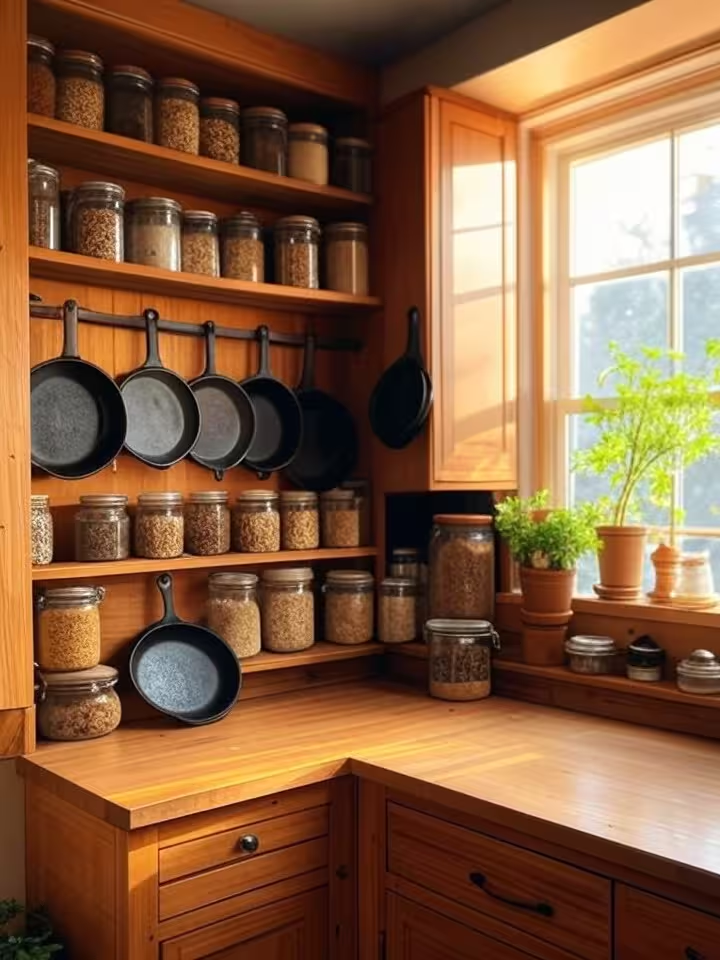
Ah, the kitchen. That corner of the home where everything seems to come alive, right? I remember when I started my journey as a tradwife, a few years ago now, sitting on my porch in Tennessee with a pitcher of sweet tea, thinking about how to make this space not only work, but inspire. It's not just about cleaning; it's about creating a sanctuary where family gathers, where meals become memories. Well, if you're here, you're probably looking for practical ways to organize your kitchen so it flows with that feminine grace we value so much. Let's chat about that, as if we were sharing coffee at my farm table.
The organized kitchen is the heart of a traditional home that works. When everything has its place and flows naturally, cooking ceases to be a burdensome task and becomes what it really is: an act of love for your family. It's not about chasing the perfection of those glossy magazines, it's about creating practical systems that allow you to serve your household with joy and without burnout. In this article, I share realistic strategies I've tried in my own kitchen, plus ideas I've seen work in tradwife communities across the country.
Clear the clutter and find your flow
The truth is, in my experience, the first step is always to get rid of the unnecessary. Think of those autumn afternoons in the Midwest, where families in Iowa prepare their canned goods for winter-everything has a place, nothing left over. Start emptying one drawer at a time, asking yourself: does this help me cook with love for my husband and children? If not, bye-bye. I have to admit that I used to hoard gadgets that promised miracles, like that spiralizer I bought at a farmers market in Wisconsin, but never used. Now, my rule is simple: if I haven't touched it in six months, it's gone. It frees up mental space, and suddenly, preparing a batch of chili for a Memorial Day cookout feels like a pleasure, not a chore.
And you know what, don't underestimate the power of a good seasonal purge. Every change of season is a perfect opportunity to review what's working and what's just taking up valuable space. In spring, when the sun starts to warm up and the windows open, take advantage of that renewing energy to pull everything out of your closets. You'll be surprised at what you find: duplicate utensils, molds you've never used, spices that have been expired for two years. Intentional minimalism is not to give up your beloved tools, but to keep only what you really use and love.
On the other hand, consider your kitchen layout inspired by Southern charm-those Georgia homes with their wide countertops ready for baking biscuits. Group utensils by functionKnives near the cutting area, spices within reach for seasoning that Texas barbecue we love so much in the summer. In my kitchen, I have a shelf dedicated only to dried herbs from my garden, reminding me of the traditions of homesteading in Colorado, where women preserve what they grow. It's not perfection, it's practicality with a touch of coziness. Notice that, by reorganizing like this, you reduce unnecessary steps, and that gives you more time to nurture your home, such as planning a kitchen that works for your family.
Also, think of work zones as a classic triangle: refrigerator, stove and sink should be seamlessly connected. If your kitchen is small, this is even more critical. Place cutting boards near the sink to rinse vegetables quickly. Condiments and oils should live next to the stove. Measuring cups and mixing bowls near where you prepare doughs. This organization by zones reduces the time you spend walking back and forth, which means more energy for the things that really matter: conversations with your husband while you cook, or teaching your children how to measure flour correctly.
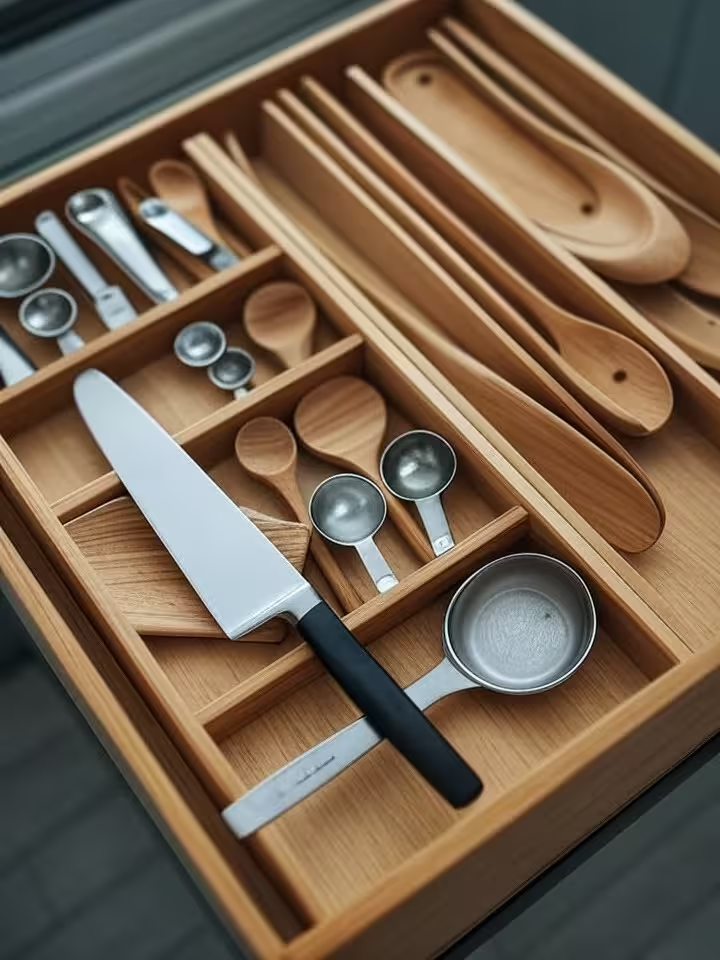
What tools do you really need?
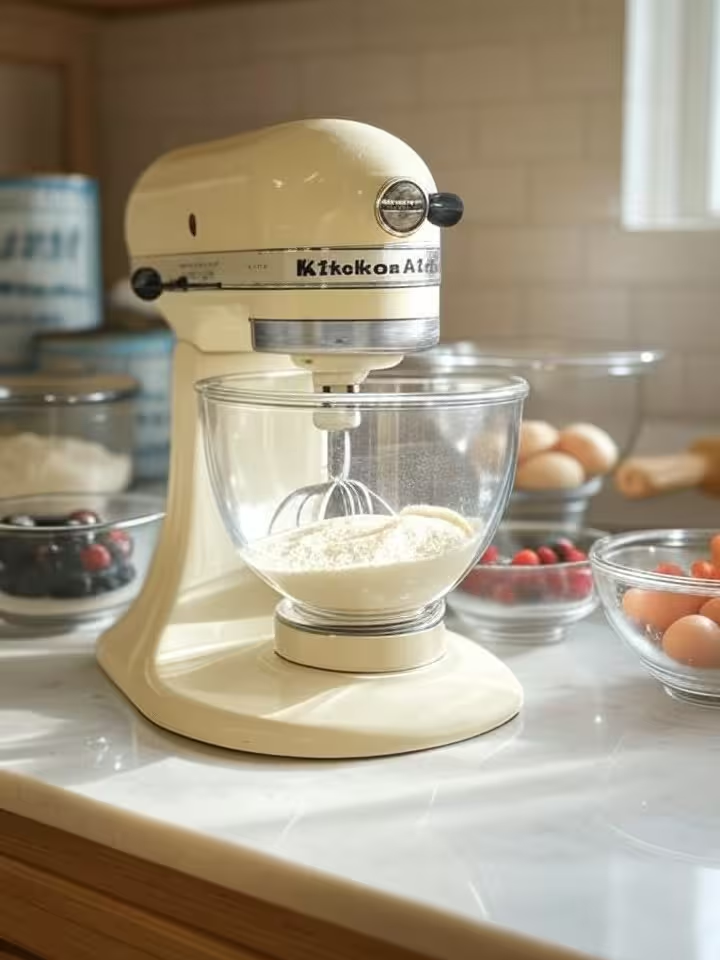
Between us, an efficient kitchen is not about filling it up with expensive appliances, but about choose with intent. Think of those 1950s housewives in the Northeast, with their trusty KitchenAid mixers whipping up apple pie doughs in Vermont. I have mine in a place of honor, ready to mix dough for muffins on a rainy Pacific Northwest day. Plus, a nice set of cast iron skillets-those you find in stores like Williams Sonoma or even in a thrift store in Maine-can last for generations, building that family legacy we hold so dear in the tradwife lifestyle.
Honestly, invest in quality, not quantity. A sharp chef's knife is worth more than a drawer full of cheap knives that cut nothing. A cast iron Dutch oven can go from oven to table, perfect for those Sunday roasts or making artisan bread. A powerful blender lets you make healthy smoothies for breakfast or pureed vegetables for babies. These are parts that work for you, not against you. What really matters is that each tool earns its place in your kitchen because you use it regularly and because it facilitates your work as a homemaker.
Now, for daily organization, divide your fridge as you would in a ranch home in Utah: one area for dairy, another for fresh vegetables from a local market in Oregon. Use transparent containers to see everything at a glance, preventing you from losing ingredients and ending up with waste. I confess, this saved me during a back-to-school season when I was preparing lunches in advance. It even incorporates an Instant Pot for quick but nutritious meals, such as stew inspired by heartland recipes, allowing you to focus on being that nurturing spirit for your family without sacrificing time. The truth is, these tools not only streamline, but elevate your traditional femininity, making cooking an act of gentle strength.
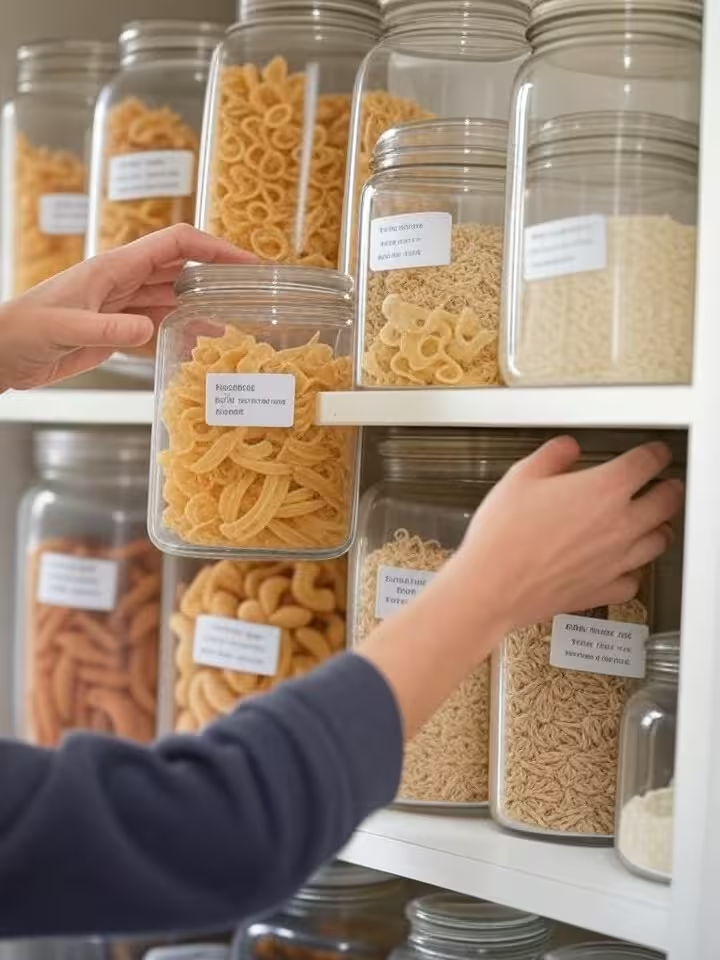
Don't forget the power of glass jars for storing dry ingredients. Rice, quinoa, lentils, different types of flour-everything looks beautiful and tidy when it's in clear jars with labels. Plus, it maintains freshness better than open bags. You can find inexpensive sets at Target or even reuse canning jars. This visual system helps you know exactly what you have and what you need to buy, avoiding unnecessary duplicates on your next visit to Costco. It's the difference between opening a chaotic closet and seeing a small, organized pantry that makes you smile.
Quality over quantity
Invest in durable pieces that you can inherit: a professional chef's knife, well-cured cast-iron skillets, a sturdy mixer. These tools become extensions of your hands and make every task in the kitchen easier. You don't need twenty gadgets; you need five great ones that you use every day.
Visible storage
Clear glass jars transform your pantry into a functional and beautiful space. Being able to see exactly what you have eliminates chaos and waste. Label each jar with the name and date of purchase. This visual system allows you to plan meals at a glance, facilitating that weekly meal planning that keeps your household running smoothly.
Zones in the refrigerator
Divide your refrigerator into clear sections: dairy on top, vegetables in crisper drawers, well-wrapped meats on the bottom. Use stackable containers for leftovers and meal prep. This order not only maximizes space, but reduces the time you spend searching for ingredients at 5pm when everyone is hungry. An organized fridge is your best ally for stress-free cooking from scratch.
Routines that flow with slow life
Look, routines are the heart of an organized kitchen. In my morning routine, inspired by West Coast slow living, I spend ten minutes going through the pantry-organized with glass jars for grains and legumes, California homestead style. This helps me plan intentional meals, like a picnic for the Fourth of July with fresh salads from Trader Joe's. Still, adapt to your region: if you're in Texas, focus on barbecue spices; in the Mountain West, on preserves for long winters. For more ideas on how to integrate morning rituals in your day, I recommend you explore other aspects of the intentional lifestyle.
Just make it your own. There is no one right way to organize your kitchen. What works in a small Manhattan apartment will be different than what you need in a farmhouse in Kentucky. Consistency is the key, not perfection. Create small routines that you can maintain: wipe down the countertops after every meal, wash the dishes before bedtime, deep clean the refrigerator every Sunday. These cumulative actions transform your kitchen from a chaotic space into a functional sanctuary.
At the same time, it incorporates seasonal deep cleaning, I use natural vinegar for surfaces, avoiding harsh chemicals that don't align with my nurturing approach. I use natural vinegar for surfaces, avoiding harsh chemicals that don't align with my nurturing approach. I have to admit that, at first, I had a hard time keeping up, but now it's like a ritual that strengthens my role as a high-value woman. On the other hand, for laundry-yes, sometimes cooking intersects with that-I have a system near the sink for rags and aprons, ready for a quick wash after baking cookies for a Super Bowl party. Notice how these little routines add up, creating a home where family first is not just a phrase, but a lived reality.
Also consider creating a meal planning station in your kitchen or nearby area. A small chalkboard or cork board where you write your weekly menu, grocery list, and to-do's. This command center keeps you focused and reduces that moment of panic at 4pm when you wonder what to cook for dinner. Planning a week in advance means you can buy ingredients in bulk at Costco, prepare cut-up vegetables for the week, and even batch cook some meals that just need to be reheated. This level of preparation gives you freedom, not rigidity-freedom to enjoy time with your family instead of being stressed in the kitchen.
Customize with hospitality touches
Well, once you have the foundation, it's time to infuse your personality. Think about the southern hospitalityA tea and cookie nook always ready for unexpected visitors, with a Le Creuset teapot on the stove. In my case, I add prairie wife elements, like open shelves with vintage dishes I found at a flea market in Kansas. This not only organizes, but invites connection, enriching your marriage and motherhood. If you are looking to integrate more aspects of the tradwife style in your daily life, The kitchen is the perfect place to start.
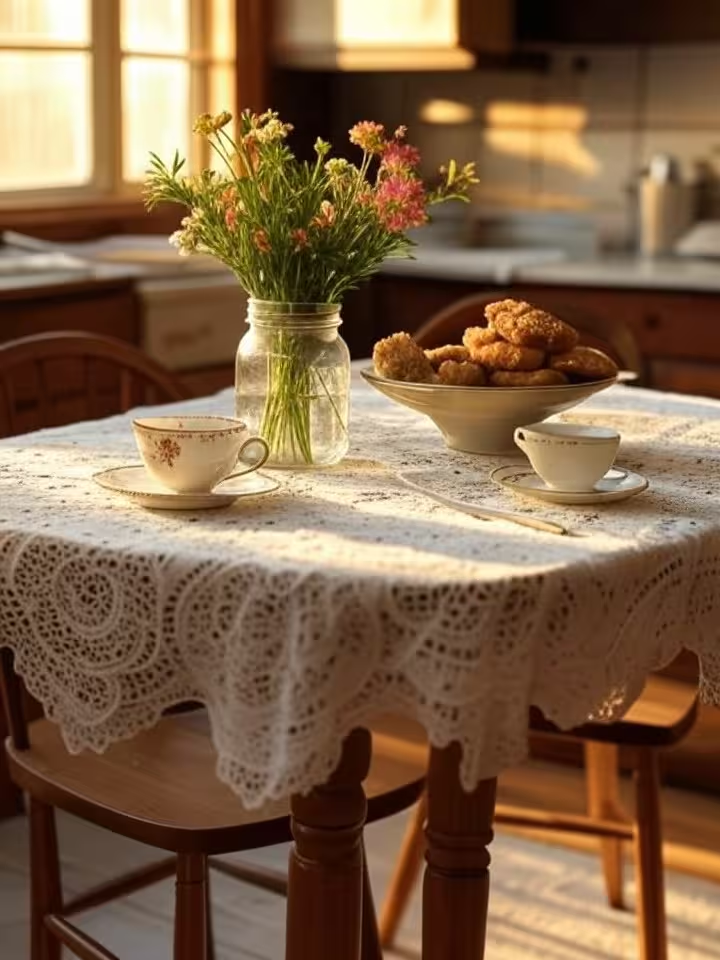
Simple, but striking. Details matter: a vase of fresh flowers from the farmers market near the window, a woven basket for freshly baked bread, cloth napkins that you use even at everyday meals. These touches aren't superfluous-they're reminders that your home is a refuge, a place where beauty and functionality coexist. A cozy corner with your coffee pot and your favorite cups can become your space of morning peace, that moment of calm before the house wakes up.
Honestly, the ultimate efficiency comes when your kitchen reflects your gentle parenting-accessible spaces for kids to help, fostering that attachment we value. (And btw, nothing like watching my toddler kneading dough on the counter, reminding me why I chose this path). Also, for those date nights, keep a drawer with candles and pretty napkins, ready for an intimate dinner. The truth is, in the end, organizing your kitchen is about intentional living, honoring your feminine energy in every detail.
And you know what else transforms an organized kitchen? The aroma. Keep fresh herbs in pots on the windowsill: basil, rosemary, mint. Not only are they handy for cooking, but they scent the space naturally. Or have a blend of spices you love in a soft diffuser: cinnamon and vanilla in winter, lemon and lavender in summer. These sensory details make your kitchen a place where you really want to be, not just where you have to be. Remember, you're creating more than a functional space-you're building the heart of your home.
Cleaning systems that really work
Let's be honest: an organized kitchen stays organized only if you clean it regularly. You don't need to be obsessive, but you do need to be consistent. I follow a layered cleaning systemDaily, weekly and monthly chores. Every night, before I go to bed, I wash all the dishes, wipe the countertops, and sweep the floor. It's fifteen minutes tops, but it means I start each morning with a clean slate. It's a small act of self-care-waking up in a tidy kitchen completely changes your morning energy.
On a weekly basis, I do a deeper cleaning: mop the floor, clean the microwave, reorganize the refrigerator and check expiration dates. Sunday afternoons work well for me, right after family brunch and before planning for the week ahead. This weekly ritual prevents small problems from turning into big disasters. Once a month, I thoroughly clean the oven, defrost the freezer if needed, and wash the curtains or tablecloths. These larger tasks feel less overwhelming when you schedule them in advance.
Also, keep your cleaning supplies organized and accessible. I keep a caddy under the sink with white vinegar, baking soda, a couple of microfiber cloths and brushes. Natural solutions are sufficient for most tasks-you don't need a cabinet full of harsh chemicals. Diluted vinegar cleans glass, disinfects surfaces and removes odors. Baking soda scrubs tough stains. A few drops of lemon or lavender essential oil add a fresh scent. This approach is better for your family, your budget and the environment.
Involve your family in the process.
An organized kitchen should not be your responsibility alone. Involving your spouse and your children (if you have them) creates a sense of shared ownership of the space. Kids can help from a young age: a three-year-old can put napkins on the table, a five-year-old can dry unbreakable dishes, an eight-year-old can help prepare salads. These chores don't just lighten your load-they teach valuable life skills and create family memories.
With your husband, set clear but kind expectations. Maybe he's in charge of taking out the trash every night or cleaning up after weekend meals. Communication is key: explain how your organizational system works so he can maintain it, too. Notice that when everyone contributes, the kitchen feels less like your exclusive domain and more like the shared heart of the home that it really is. And between us, watching your husband dry dishes while you chat about the day can be a precious moment of connection.
You can even make the kitchen an educational space. Teach your kids about nutrition as you prepare meals, about math as they measure ingredients, about science as they bake and watch dough rise. These integrated lessons are at the heart of the informal homeschooling that many tradwives value. The kitchen becomes a living classroom where learning happens naturally, without pressure, while doing daily household chores together. For more on how to integrating intentionality into your daily life, explore other areas where you can apply these principles.
Adjusts according to the seasons
Your kitchen is not static-it must evolve with the seasons. At autumn, In winter, set up your baking space: get out pie pans, check that you have enough flour and spices for pumpkin pie, organize an area for apple butter or preserves. In winter, focus on warm comfort foods: make sure your slow cooker is accessible, keep broths and soups in the freezer, keep hot chocolate ready for snowy evenings.
When the spring, Do that deep cleaning I mentioned before. Open the windows, ventilate, donate utensils you didn't use all winter. Rearrange for lighter meals: salads, smoothies, fresh fruit. Prepare your garden area if you grow herbs or vegetables-seeds need to be started indoors before transplanting. And in summer, optimize for quick, fresh meals: have the grill clean and ready, organize for picnics and barbecues, keep the cooler stocked with fruit-infused water and healthy snacks for active kids.
This seasonal rhythm not only keeps your kitchen relevant-it connects you to the natural cycle of the year, something many tradwives deeply value. It's part of that intentional living: you don't fight the seasons, you flow with them. Your cooking reflects what nature offers at any given moment, and your meals become more varied, nutritious and economical when you follow this pattern.
Common mistakes to avoid
Throughout my journey organizing kitchens (my own and helping friends), I have seen a few recurring errors worth mentioning. First: buy storage solutions before you purge. It's tempting to go to Target and fill your cart with pretty organizers, but if you do it before you get rid of the unnecessary, you'll just be organizing clutter. Always start by eliminating, then evaluate what you need to store what's left.
Second error: overcomplicated systems. If your method of organization requires fifteen steps to put a pot away, you're not going to keep it. Simplicity wins every time. The things you use every day should be within easy reach, unobstructed. The things you use occasionally can go on high shelves or in the back of cabinets. It's common sense, but we often complicate things unnecessarily.
Third: ignoring your actual workflow. Maybe you read in a blog that the cups should go next to the coffee pot, but if you prefer to take them directly from the dishwasher on the other side of the kitchen, organize according to YOUR way of working, not according to abstract theories. Observe how you move naturally in your kitchen for a week before making any big changes. The best organization is the one that respects your actual patterns, not someone else's ideals.
And finally: strive for perfection from the start. Rome wasn't built in a day, and neither was your perfectly organized kitchen. Start with a drawer, then a cabinet, then the refrigerator. Small, consistent progress beats massive projects that overwhelm you and you give up halfway through. Give the process time, adjust what doesn't work, and celebrate each improvement. This incremental growth mindset is much more sustainable than seeking instant transformations.
How to maintain motivation in the long term
Let's face it: keeping an organized kitchen takes continuous effort. Some days you'll feel motivated and in control; others, life will get in the way and things will get messy. That's okay. The key is have fast recovery systems. When you notice things starting to get disorganized (and you will notice because cooking becomes more frustrating), spend 15 minutes on a quick reset. Empty the dishwasher, wipe down a countertop, rearrange a shelf. These mini resets keep little slips from turning into total chaos.
It also helps remember your «why». Why do you want an organized kitchen? It's not just for aesthetics or to impress visitors. It's because a functional kitchen allows you to serve your family with joy instead of frustration. It allows you to cook nutritious meals without stress. It gives you mental space to be present with your loved ones instead of worrying about clutter. When you connect organization with your deepest values-family, home, intentionality-maintaining the system becomes meaningful, not just another chore.
In addition, it seeks to inspiration in communities of tradwives and homemakers. Instagram, Pinterest, even Facebook groups are full of women sharing their organized kitchens, recipes, routines. Not to compare yourself or feel inadequate-but to remind you that you are not alone in this journey. Other women are choosing this intentional lifestyle, finding beauty in the daily tasks of the home, creating sanctuaries for their families. This connection can be incredibly motivating on difficult days.
And don't underestimate the power of the gratitude. Every time you walk into your organized kitchen, take a moment to appreciate it. «Thank you for this functional space. Thank you because I can prepare healthy meals for my family. Thank you for these tools that make my job easier.» This mindset of gratitude transforms mundane tasks into acts of love. Your kitchen stops being just a place where you cook-it becomes the beating heart of your home, where you nurture bodies and build memories.
At the end of the day, this organization is not a burden, but rather a extension of your grace as tradwife. It allows you to nurture with ease, creating a legacy of warmth in your American home, wherever you are. Try these tips, adjust your life, and see how everything flows better. Efficient cooking isn't about rigid rules or unattainable standards-it's about creating systems that serve you, that honor your role, that make your life simpler and more beautiful. It is an act of self-love and family love. And that, my friend, is the true heart of the tradwife lifestyle.
Frequently asked questions about tradwife kitchen organization
It depends on the size of your kitchen and your current level of clutter. For an average kitchen, devote a full weekend to a thorough reorganization: about 8-12 hours divided into sessions. Start by purging (3-4 hours), then deep clean (2-3 hours), and finally organize by zones (3-5 hours). If you have small children or limited time, divide the project into smaller areas: one drawer or closet each day for two weeks. The key is not to rush-thoughtful decisions about what to keep create more durable systems than a hasty purge.
Small kitchens demand even more intentionality. First, be extremely selective-stick with multipurpose tools only. For example, a food processor that also chops, blends and shreds eliminates the need for three separate gadgets. Take advantage of vertical space with floating shelves or hooks for hanging utensils. Use magnetic wall organizers for knives and spices. Consider folding cabinets or rolling carts that you can move as needed. In small kitchens, every inch counts, so think creatively about hidden storage: inside cabinet doors, under the sink with sliding organizers, or in decorative baskets on cabinets.
With young children, perfection is not the goal-functionality is. Create accessible areas for them: a low drawer with plastic plates, cups and healthy snacks that they can eat on their own. This reduces constant interruptions and encourages independence. Establish simple routines they can help maintain: put their dishes in the dishwasher after eating, put napkins on the table before dinner. Use closed containers for fragile or dangerous things on high shelves. And accept that there will be temporary clutter-the important thing is to have quick recovery systems. Ten minutes of reset before bedtime restores order without demanding perfection throughout the day. Remember: you're raising humans, not maintaining a museum.
My staples are white vinegar, baking soda, liquid Castile soap and essential oils. Diluted vinegar (half water, half vinegar) cleans most surfaces and disinfects naturally. Baking soda works wonders for scrubbing tough stains on sinks or stoves. Castile soap is versatile for dishes and surfaces. Add a few drops of lemon, lavender or tea tree essential oil for additional fragrance and antibacterial properties. For glass, use pure vinegar or dilute with crumpled newspaper instead of paper towels-it leaves zero streaks. These products are inexpensive, safe for your family and effective. Avoid harsh chemicals that pollute indoor air and pose risks to children and pets.
Start with the basics: identify what meals you prepare most frequently and organize around those needs. Don't try to create complex systems right away. Start with three basic zones: preparation (knives, boards), cooking (pots, pans, spices) and cleanup (soap, rags, sponges). Invest first in quality tools that you will use daily: a good knife, a versatile pan, storage containers. Watch your natural flow for a week before making big changes-this will show you what you really need versus what you think you need. Read up on tradwife style to understand the values behind the organization: it's not just aesthetics, but creating a functional home that serves your family. And give yourself grace-this is a journey, not a destination. Every little improvement counts.

 English
  Spanish
  Portuguese